
The threat of the New World screwworm continues nearly three weeks after the first reported case of the parasitic fly in the United States.
Over the weekend, the U.S. Department of Agriculture reported three new cases — all in livestock.
The two new cattle cases in Edwards County and the new sheep case in Crockett County bring the total number of U.S. cases to 15 as of 9 a.m. on June 22, with 12 active and 3 inactive cases.
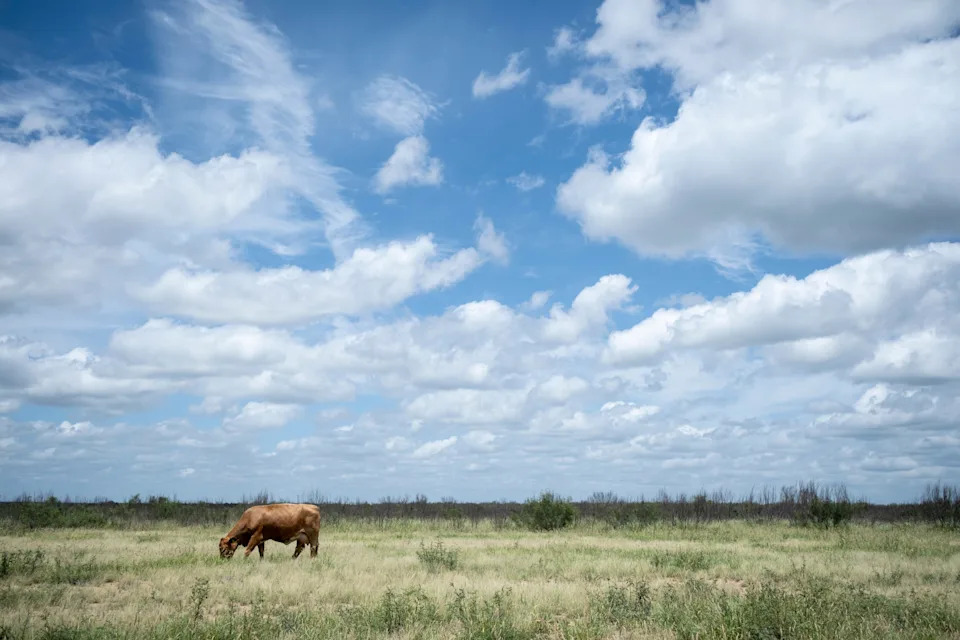
LA PRYOR, TEXAS – JUNE 11: Cattle roam Chapparosa Ranch on June 11, 2026 in La Pryor, Texas. The first case of New World Screwworm infection, since its eradication from the country in 1966, was reported in Texas last week by the United States Department of Agriculture.
USDA classifies cases as inactive when the animal has fully recovered or, in cases where treatment was not performed, appropriate measures have been taken to prevent the spread of NWS, such as the appropriate disposal of the dead infested animal.
Texas remains the only state in the U.S. to continue reporting cases since the parasitic fly re-entered the country decades after it had been eradicated.
What is a screwworm?
According to the USDA, the New World screwworm (NWS) is a parasitic fly that impacts livestock, pets, wildlife, and, less commonly, people and birds. The fly’s larvae feed on the living tissue of warm-blooded animals.
USDA reports that the current risk to animals and people in the United States remains very low and that NWS is not contagious.
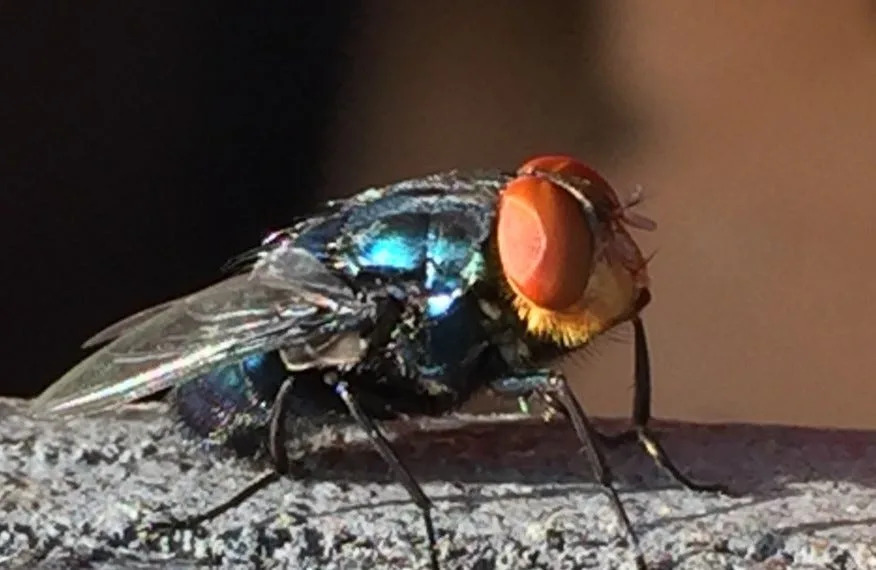
New World Screwworm flies are about the size of a common housefly (or slightly larger) with organge eyes, a metallic green or blue body and three dark stripes along its back.
Rather, screwworm infestations begin when a female fly lays eggs on a wound or body opening. The eggs hatch into larvae that burrow into the wound and feed on living tissue; then, after about seven days of feeding, the larvae drop to the ground, burrow into the soil and pupate.
The adult screwworm fly emerges from the soil after seven to 54 days.
U.S. New World screwworm locations, status
Here is the breakdown of the screwworm case locations in the U.S. according to the USDA’s screwworm dashboard.
Texas screwworm cases
There are currently 14 cases in Texas by the date they were confirmed:
June 21: Two active domestic cattle cases in Edwards County.
June 20: One active domestic sheep case in Crockett County.
June 12: One inactive domestic sheep case in Sutton County.
June 11:
Two active domestic goat and cattle cases in Edwards County.
One active domestic cattle case in Tom Green County.
One inactive domestic cattle case in Zavala County.
June 9: One active domestic cattle case in Edwards County.
June 8:
One active domestic goat case in Gillespie County.
One active domestic cattle case in La Salle County.
June 7: One active domestic cattle case in La Salle County.
June 5: One active domestic cattle case in Zavala County.
June 3: One active domestic cattle case in Zavala County.
New Mexico screwworm cases
A case has also been confirmed in a dog in New Mexico. It was first reported on June 7 by a veterinarian in Andrews County, Texas, but the U.S. Department of Agriculture classifies it as a case in Lea County, New Mexico, because the dog lives there.
This case has now been classified as inactive.
Texas expands animal quarantine zones due to screwworm
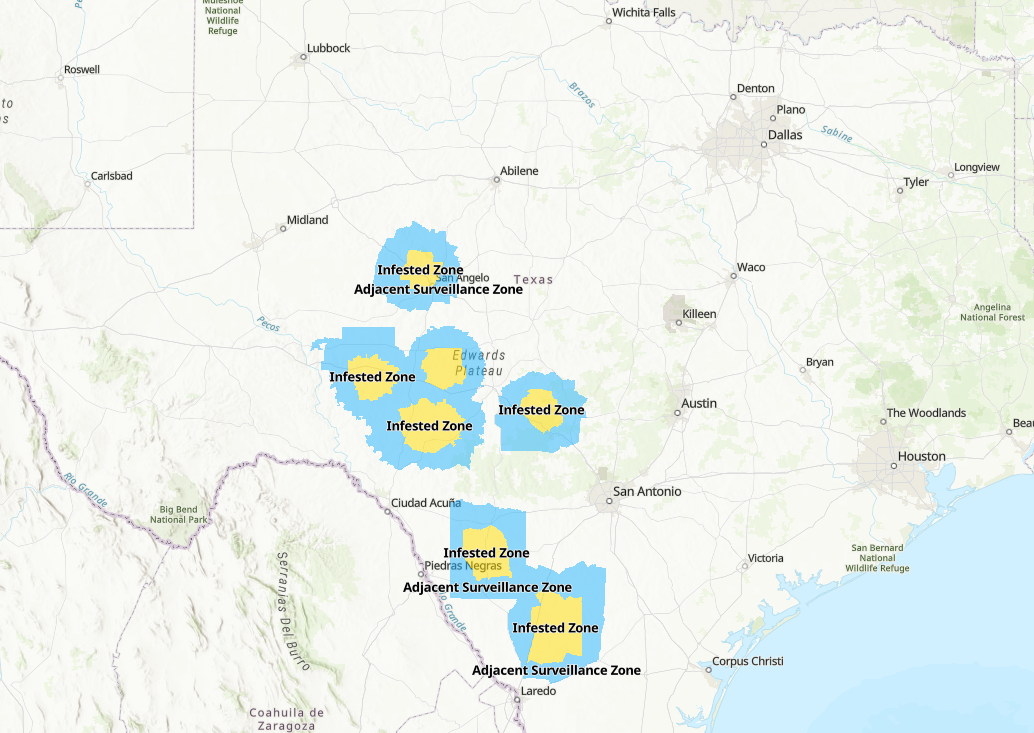
The Texas Animal Health Commission has grouped 14 counties across West, South and Central Texas because some are under quarantine to restrict animal movement and to keep animals out of the areas to stop the spread of recently reported cases.
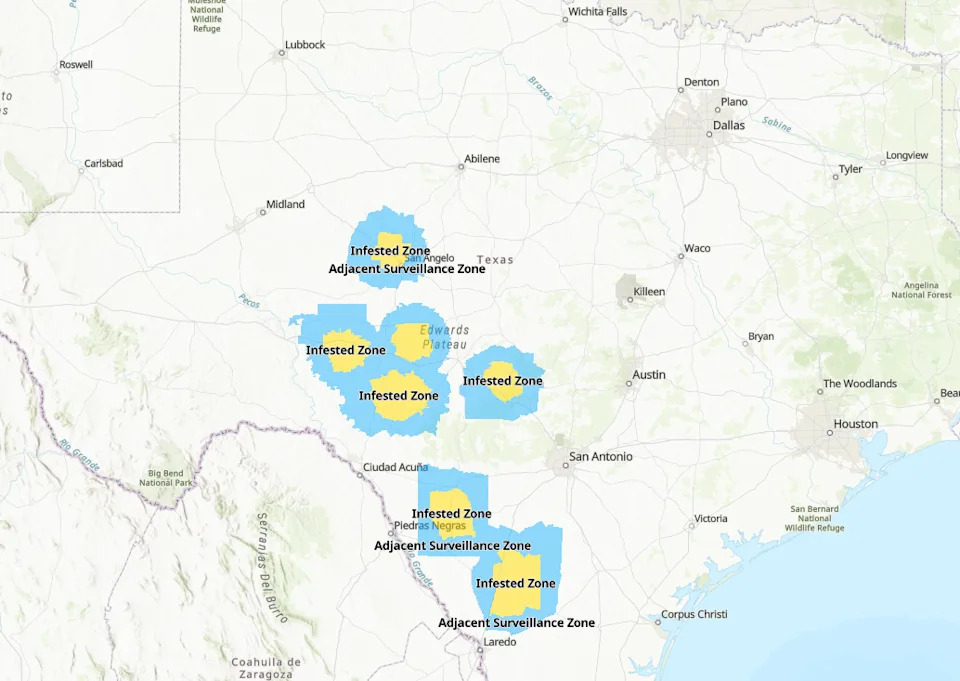
A screenshot of the Texas Animal Health Commission New World screwworm quarantine zone map on June 22, 2026.
Here’s a look at which counties are under quarantine and when they became effective.
Zone 1 (effective June 3) — Uvalde and Zavala counties.
Zone 2 (effective June 7) — La Salle and Webb counties.
Zone 3 (effective June 9) — Gillespie, Kerr and Kimble counties.
Zone 4 (effective June 10) — Edwards, Sutton and Val Verde counties.
Zone 5 (effective June 12) — Tom Green and Coke counties.
Zone 6 (effective June 13) — Kimble, Schleicher and Sutton counties
Zone 7 (effective June 20) — Crockett, Schleicher and Sutton counties
According to the orders placing the counties under quarantine, the quarantine will remain in effect until the commission lifts it.
Texas screwworm map
Mateo Rosiles is the Texas Connect reporter for USA TODAY and its regional papers in Texas. Got a news tip for him? Email him at mrosiles@usatodayco.com.
This article originally appeared on USA TODAY: New World screwworm Texas cases, map and quarantine zones