
By 2000, the United States had effectively eliminated measles, earning certification from the Centers for Disease Control and Prevention and an independent panel of outside experts. It maintained that status for 24 years, a remarkable triumph of public health efforts to eradicate the disease as a threat.
That makes the recent surge of cases nationwide, including in Virginia, so tragic. The outbreaks reported in multiple states were preventable if the country had continued a vaccination strategy that proved so effective in protecting the vulnerable from infection, and it underscores the need to stamp out misinformation and get more kids the shots they need to enjoy healthy lives.
So far, Virginia’s outbreak hasn’t been as widespread as recent ones in a few other states. But infections have been rising in the central Virginia area centered on Buckingham County.
In May, the Virginia Department of Health launched an online measles dashboard to track cases and provide information about the disease and exposure risks, at vdh.virginia.gov/measles/
Only five cases of measles were reported across the commonwealth in 2025. But lately, measles has been spreading at an alarming pace, mostly among children under 17, although adults can become ill. As of Monday, the commonwealth had reported 129 cases this year, including one in the Eastern Region, which includes Hampton Roads. Six percent of those affected have been hospitalized.
Measles is not to be taken lightly. Before the vaccinations became routine, every year, 3 million to 4 million cases of measles were reported in the U.S., about 48,000 patients were hospitalized and about 500 died. Some of those who survived suffered serious side effects.
The measles virus spreads through the air when an infected person coughs, sneezes or breathes. The virus can linger in the air of a room for up to two hours, sickening unprotected people who breathe it.
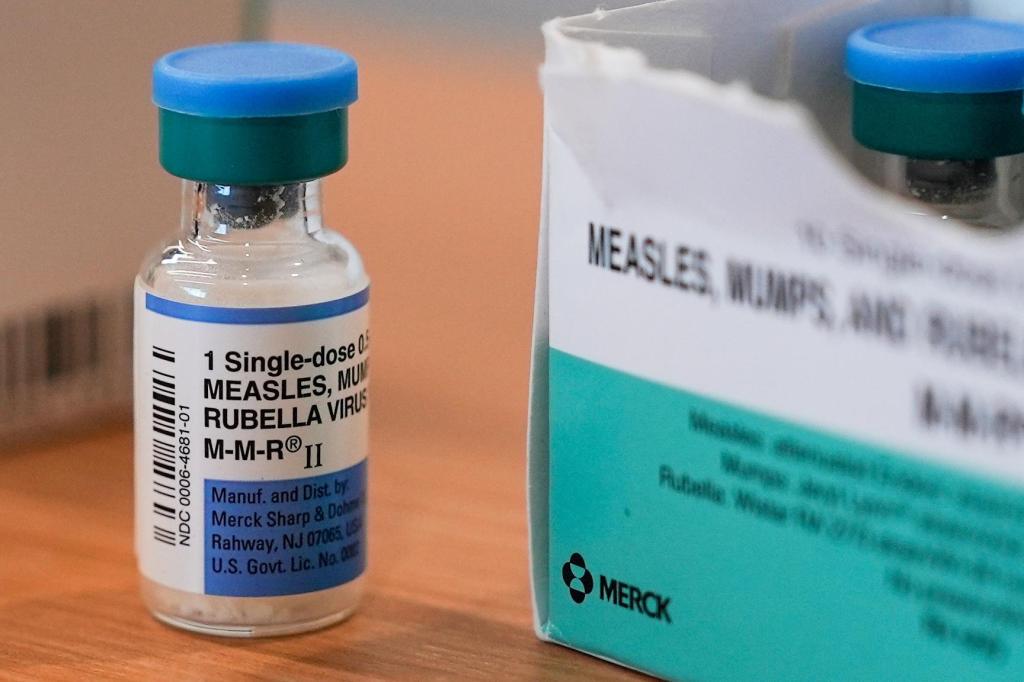
Measles was declared eliminated thanks to the widespread use of an effective, safe vaccine that had been developed in stages over the 1960s and 1970s. The vaccine widely in use now is known as MMR, because it protects against measles, mumps and rubella. Rubella, sometimes called three-day measles or German measles, also causes a rash, but is usually much milder than measles. Rubella is mostly dangerous for pregnant women, as it can cause miscarriage or birth defects.
When it became available, parents were relieved to have the vaccine, and most children received two shots, as recommended by physicians.
Even when the disease was considered eliminated in the U.S., there were occasional cases, usually when people from other countries brought the virus here. Herd immunity — when the vast majority of people have been vaccinated — kept the virus from spreading and threatening people such as newborns, pregnant women and those who can’t be vaccinated for medical reasons.
Unfortunately, a tide of anti-vaccine misinformation rose about the time measles was eliminated. Some spread the false idea that vaccines cause autism, though numerous scientific studies have found no connection. As time went on, memories faded of the days when children became severely ill with measles, some died, and some were left blind, paralyzed, intellectually disabled or otherwise permanently affected.
One of the most prominent anti-vaxxers over the years has been Robert F. Kennedy Jr., who, although having no medical background, is the Trump administration’s secretary of Health and Human Services. After years of speaking against vaccines, and even saying people should do their “own research” on vaccines last year as measles spread in Texas, Kennedy made news during a recent visit to Virginia by recommending measles vaccines as a preventive measure.
That’s a message that should be shouted from the rooftops. The best way to protect the wider community from measles is to make sure that children are vaccinated.
Virginia health officials have done well to set up the measles dashboard. They should continue to trumpet the importance of timely vaccinations, especially since federal officials are unlikely to make that a priority.