
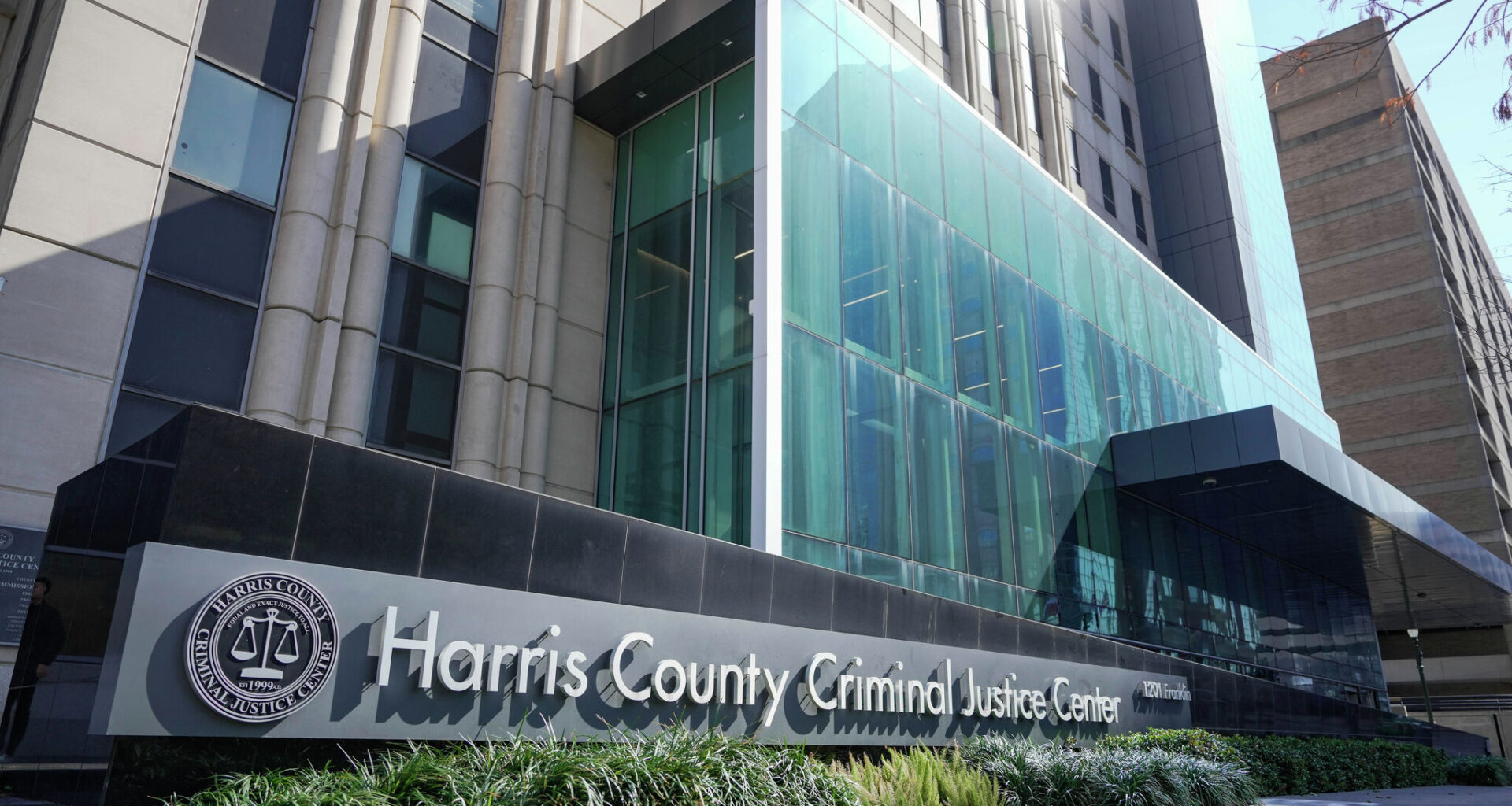
A jury will hear testimony Tuesday about the June 2018 disappearance of a Houston mother and paralegal whom authorities believe was killed and dismembered with a chain saw. Her body was never found.
The murder trial in the 178th District Court comes eight years following Maria Jimenez-Rodriguez’s disappearance and three years after the arrest of Erik Arceneaux, 53, in her killing. He was charged in August 2019, but he vanished after police interviewed him. He was arrested in September 2023.
District Attorney Sean Teare is handling the prosecution of the case with his chief of staff, Lauren Byrne.
Arceneaux rejected a plea deal of 50 years imprisonment ahead of jury selection Monday, according to court records.
Early in the investigation, Jimenez-Rodriguez’s family urged Arceneaux to come forward and tell authorities where to find her remains. The relatives also disputed characterizations — detailed in court records — that Jimenez-Rodriguez and Arceneaux were dating. The family uncovered communications between the two in which Arceneaux indicated he wanted a romantic relationship with her.
The two met at a gym, where Arceneaux worked as her personal trainer.
She was reported missing June 21, 2018, after failing to pick up her daughter from a nanny’s home and go to work at the Milledge Law Group.
Police found receipts that Arceneaux purchased an electric chainsaw and trash bags from Home Depot on the day of Jimenez-Rodriguez’s disappearance, as well as surveillance footage of him purportedly driving Jimenez-Rodriguez’s car later that day. The vehicle was found in northeast Houston.
The complaint against Arceneaux alleges Jimenez-Rodriguez’s phone went with him to Home Depot, but the device was later turned off at his home, according to communication records. The phone was never found.
Arceneaux’s defense attorneys, David Cunningham and Casey Garrett, tried blocking his cell phone records from entering the trial by arguing the search warrants used by a Houston police investigator to gather intel lacked probable cause. Judge Kelli Johnson denied their request.
The arrest warrant alleges Arceneaux used her phone to send text messages suggesting three men were after her to create an alibi.
A search of his home revealed traces of cleaned-up blood, but authorities were unable to link it to Jimenez-Rodriguez because the DNA fragments were “not suitable for comparison,” according to court records.
If convicted, prosecutors may show jurors evidence of Arceneaux’s history of harming other women. He pleaded guilty in 2011 to charges related to his attack of a girlfriend during an argument, in which he then pointed a gun at a neighbor who came to help after hearing her screams.
He was sentenced to five years imprisonment in that case.