
More than a year after a Texas treasure hunter accused his former financial backer of cutting him out of a multibillion-dollar shipwreck venture, the legal battle over what could be one of the most valuable treasure finds in modern history has returned to federal court.
New filings in the Northern District of Texas show both sides continuing to spar over the ownership of research, shipwreck data and the circumstances surrounding their once-lucrative partnership centered on the Nuestra Señora de las Maravillas, a Spanish galleon lost in Bahamian waters.
In a June 19 filing, defendants Carl Allen and Allen Exploration asked the court to take judicial notice of Bahamian immigration and drug laws, arguing plaintiff Daniel Porter failed to disclose a prior cocaine-trafficking conviction before entering into a 2019 services agreement. Attorneys for Allen argued the conviction could have affected Porter’s ability to enter or work in the Bahamas because Bahamian law allows immigration officials to deny entry to certain people with serious criminal convictions.
Porter, meanwhile, has pushed back against allegations that he improperly used proprietary shipwreck research, pointing to years-old posts on the treasure-hunting website TreasureNet as evidence that some of the information at the center of the dispute was publicly available long before the relationship between the parties unraveled.
Allen’s attorneys responded that the online discussions are irrelevant to the central dispute, arguing the case instead turns on whether Porter used “non-public portions of Marx’s research” that Allen Exploration purchased and owned.
Last week, U.S. District Judge Reed O’Connor denied an emergency motion for sanctions, writing that plaintiffs “have not shown that Defendants have disregarded any discovery order of the Court” and failed to demonstrate sanctionable conduct.
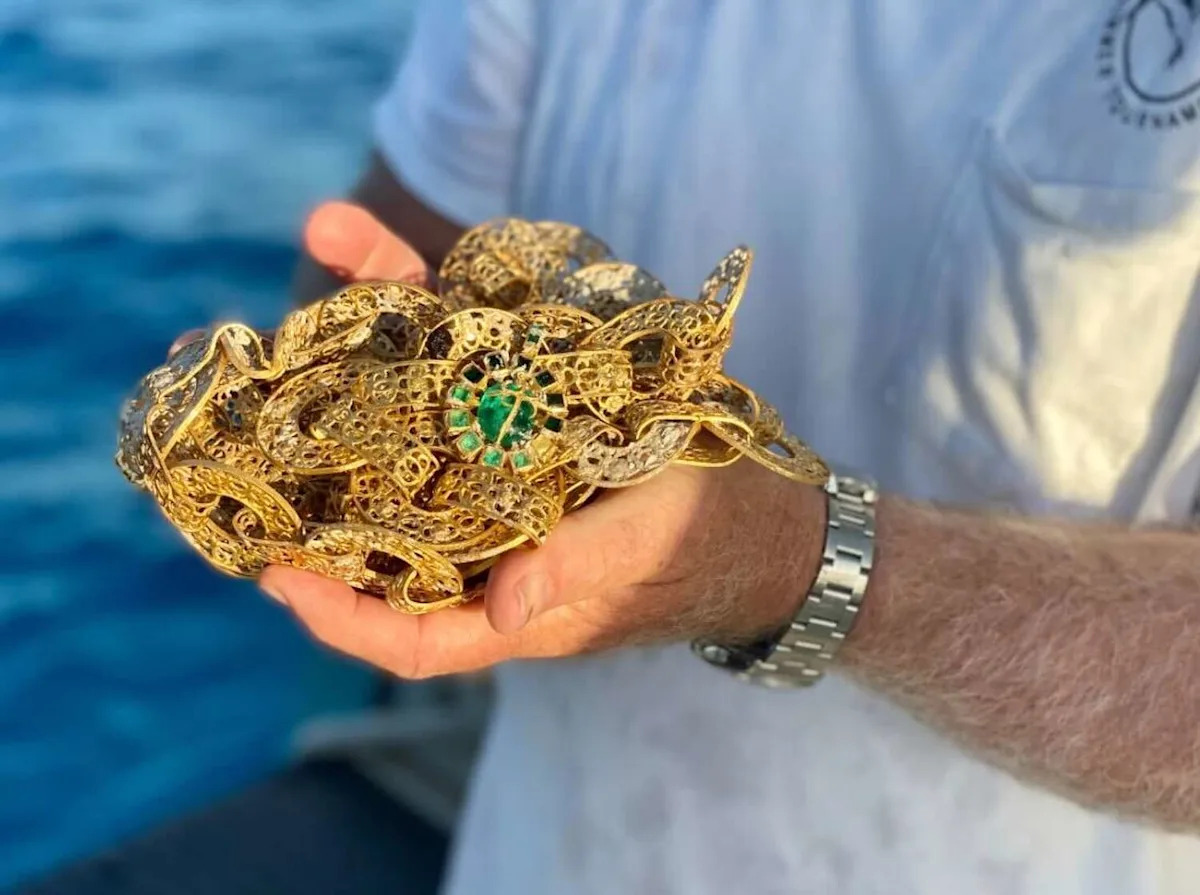
The underlying venture involves what could be one of the richest shipwreck recoveries in recent history. Among the most valuable discoveries are silver and gold coins, emeralds, amethysts, and a 75-pound silver bar. Archaeologists believe these may have been part of undeclared or unauthorized cargo, possibly transported without approval from the Spanish Crown.
Officials from both companies and their legal teams were unavailable to reach for comment in time for publication.
More News
Revivals | Texas ‘Pompeii’ will soon reopen after year-long overhaul
Lights | What’s causing Houston’s brief power outrages? CenterPoint explains
Changes | Ken Paxton’s attorney explains why he endorsed James Talarico
Crime | Texas oil CEO busted on theft and organized crime counts
For the latest and best from Chron, sign up for our daily newsletter here.
This article originally published at Treasure hunters back in Texas court over $5 billion shipwreck fortune.