
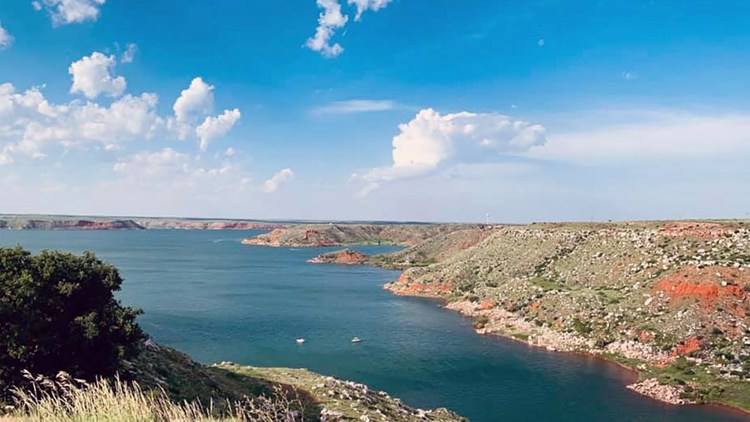
Texas wildlife officials have confirmed zebra mussels, an invasive species, have fully infested a Texas lake.
According to a news release from Texas Parks and Wildlife, the zebra mussels are in Lake Meredith near Amarillo and have an established and reproducing population.
Partners with the U.S. Geological Survey first detected microscopic zebra mussel larvae at three locations in the lake. Days later, anglers pulled a camp chair from the water and found multiple settled mussels clinging to it, all of different sizes. That suggests the population had already been reproducing since at least last fall.
TPWD staffers surveyed shoreline rocks across the lake and found settled mussels at every location they checked.
“Invasive mussels have now spread to 40 Texas lakes, with 35 fully infested,” said Brian Van Zee, TPWD inland fisheries regional director, “but there are far more lakes that still haven’t been invaded and are at risk.”
What makes the Lake Meredith infestation particularly alarming, officials say, is its location. The lake sits in a new river basin in the Texas Panhandle — a geographic steppingstone toward uninvaded western states.
“Unfortunately, detection of zebra mussels at Lake Meredith is a continuation of a trend in recent years of westward spread of this highly invasive species to new Texas lakes and this new infestation in a new river basin in the Panhandle provides a particularly concerning steppingstone for further spread to uninvaded western states,” said Monica McGarrity, TPWD senior scientist for aquatic invasive species.
Zebra mussels can damage boats and water supply infrastructure and can change a body of water’s ecosystem, harming native species.
So how do the zebra mussels go from lake to lake? One of the biggest reasons is boaters transporting contaminated boats and equipment. If a boat or any other piece of equipment has been stored in a body of water with zebra mussels, there’s a good chance it’s infested. Before moving it to another body of water, call TPWD at (512) 389-4848 for guidance.
Transporting zebra mussels can cost you, too, in the form of fines of up to $500 per violation.
You can read more about zebra mussels from Texas Parks and Wildlife.
Got a news tip or story idea? Email us at newstips@khou.com or call 713-521-4310 and include your name and the best way to reach you.