
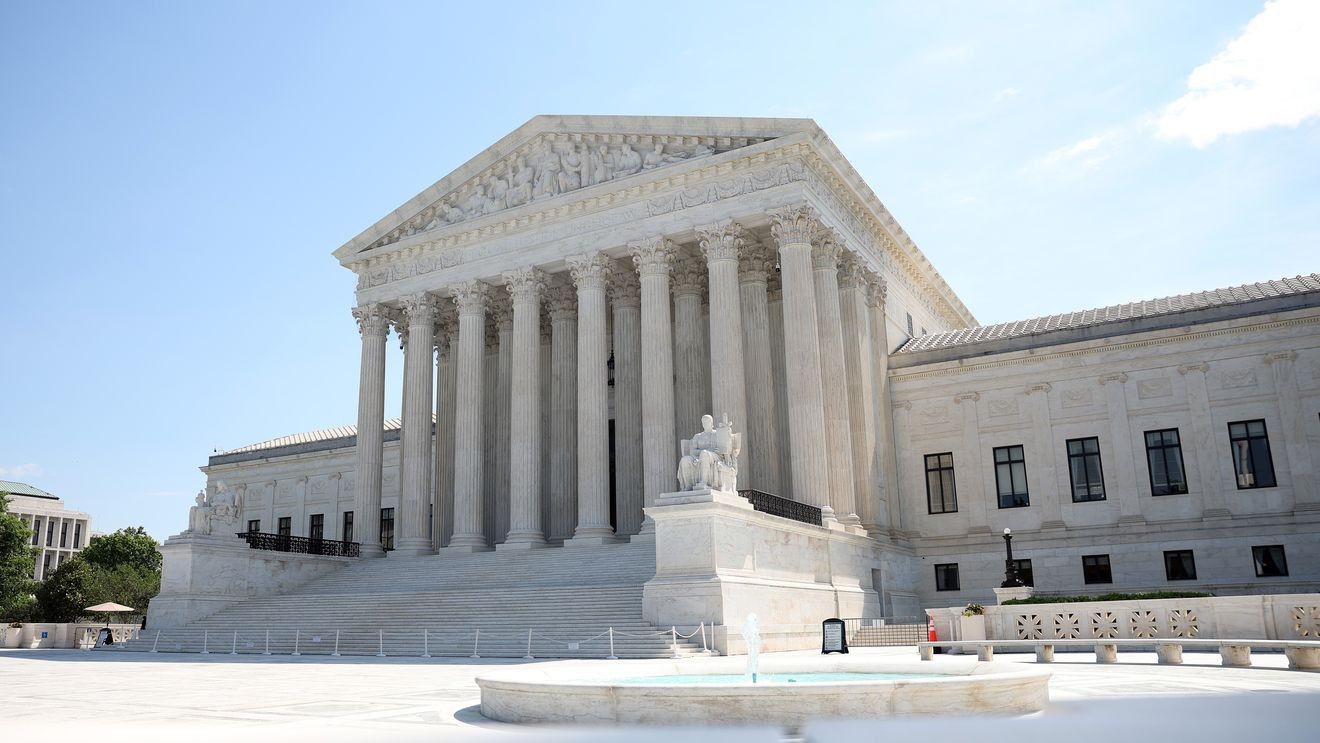
SAN ANTONIO – A Supreme Court decision allowing federal officials to limit the number of migrants seeking to cross into the United States from Mexico is raising concerns in Texas about potential ripple effects on the state’s economy and workforce.
In a 6-2 ruling, the court will allow a “metering” policy, which permits U.S. Customs and Border Protection to restrict how many migrants can attempt to enter the U.S. at ports of entry along the border. The policy has not been in place for several years, with the last instance during President Donald Trump’s first term.
Supporters of the policy argue it is needed to address crowding at the border. The Trump administration pushed the high court to rule in its favor, calling metering a “critical tool for addressing border surges and for preventing overcrowding at ports of entry along the border.” Trump’s former campaign adviser said the decision was a big win for the administration’s agenda.
But immigration advocates and others warn the policy could have broader consequences in Texas, including impacts on the labor force and economy. “In my opinion, right, it’s going to impact everybody,” one person said.
LULAC’s state director pointed to the role Latino workers and business owners play in the state’s economy.
“If you’re for capitalism and you’re for the free market, then you should love the Latino community, because it’s their entrepreneurship right to start that business that literally runs the engines that we live on in places like San Antonio, in Houston, Dallas, Fort Worth area,” the director said.
The latest figures show Texas has close to 300,000 asylum applicant workers, adding about $14 billion of income to the economy.
LULAC and other immigration rights advocates also fear the metering policy could lead to more illegal crossings and possibly more deaths along the border. That concern was echoed in part of a dissenting opinion by Justice Sonia Sotomayor.