
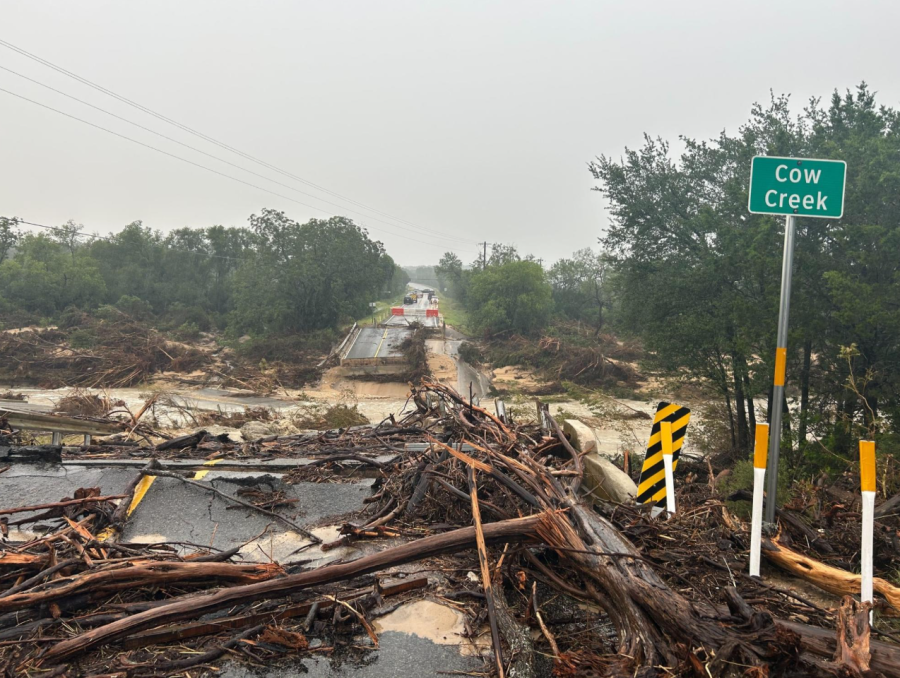
AUSTIN (KXAN) — It’s been one year since one of the deadliest flash flood events in our nation’s history. The Independence Day floods of 2025 claimed the lives of more than 130 people in Central Texas, 18 of those in the Travis, Williamson and Burnet County. Not only was the loss of life catastrophic, the devastation was also terrain-altering.
Meteorological set-up
Central Texas is not unfamiliar with flash flooding. In fact, the region has the nickname “Flash Flood Alley,” given how prone it is to the disaster. Its proximity to moisture sources, like the Gulf and Pacific, the terrain featuring steep and narrow river basins and the lack of soil reducing the ground’s ability to absorb water all play into the Central Texas’ flash flood risk.
In the days leading up to July 4, 2025, Jason Runyen, the warning coordination meteorologist at the National Weather Service (NWS) office serving Austin and San Antonio, identified the disturbance that would ultimately be responsible for triggering the relentless rain and storms seen the following weekend.
NWS Story Map: July 2025 Central Texas Flooding
“As early as July 1 and 2, we knew that we had a lot of moisture in the atmosphere, unusual amounts of moisture in the atmosphere, near-record levels of moisture in the atmosphere,” Runyen said.
With a disturbance in the area to act as a trigger and an abundance of moisture to fuel the weather-maker, the local NWS issued a Flood Watch the afternoon of July 3.
July 4 flood
With a flood watch in place, the rain began to fall the night of July 3 into the morning of July 4. Heavy rainfall rates of just over 5 inches per hour lead to a swath of 7 inches to 12 inches of rain along the South Fork of the Guadalupe River. This led to a more than 28-foot rise in the river in just under 2 hours at the gauge site in Hunt.
IN-DEPTH: National Weather Service releases new report on deadly Central Texas floods
Radar-indicated and observed rainfall totals led to the issuance of Flash Flood Warnings and even a Flash Flood Emergency — a rare highest-tier flood alert issued by the NWS.
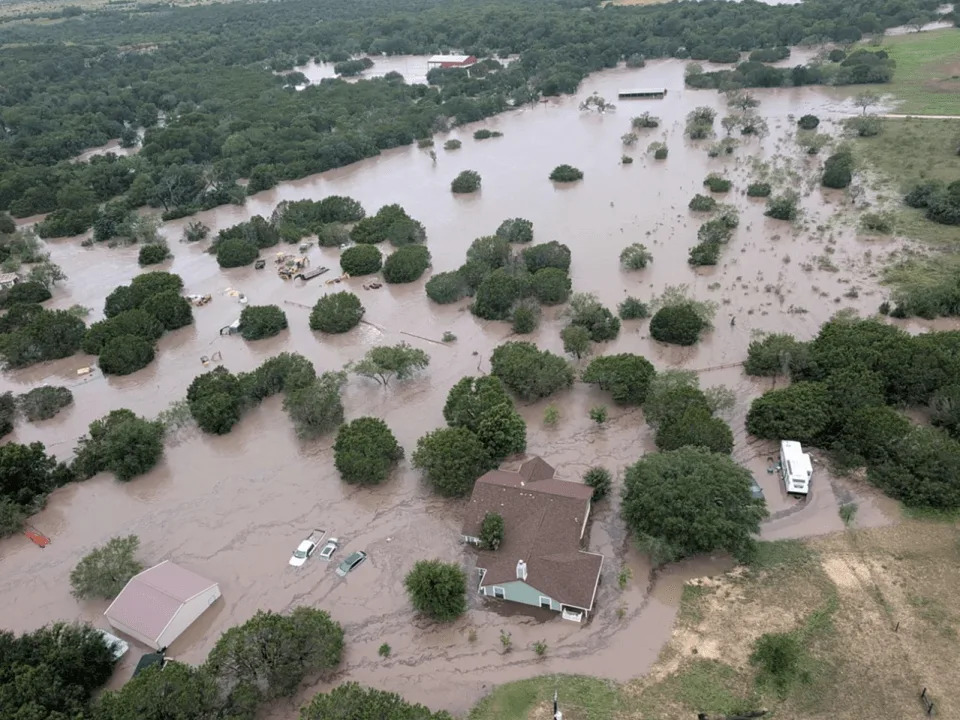
The Guadalupe River in Kerrville, Texas, during deadly flooding in July 2025. (U.S. Coast Guard photo)
The wall of water coming down the Guadalupe River would ultimately claim the lives of more than 100 people.
July 5 flood
The following morning, the devastation hit closer to Austin. The same disturbance led to historic flooding in parts of Burnet, Travis and Williamson counties. More than 20 inches of rain fell over Cow Creek in just a few hours. Rainfall rates of 6 inches an hour were confirmed.
“There’s no area designed in the Hill Country to take that amount of rain in a given hour,” Runyen said.
Flooding occurred with 10 inches to 20 inches of rain falling on the headwaters of Cow Creek and Big Sandy Creek, per NWS. There was also major flooding observed along the San Gabriel River.
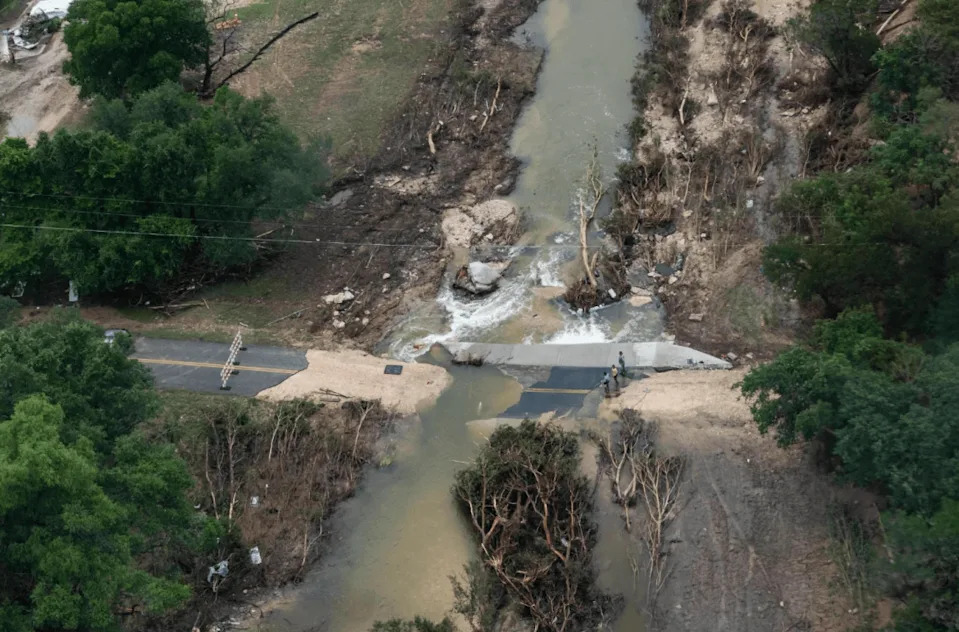
Big Sandy Creek near Round Mountain, Texas, during deadly floods in July 2025. (National Weather Service photo)
Sadly, 18 people died in the flooding on July 5.
Lessons learned
Flash flooding is the number one weather-killer in the Central Texas. In the aftermath of the Independence Day floods, improvements have been made to mitigate future loss of life and property in a flash flood.
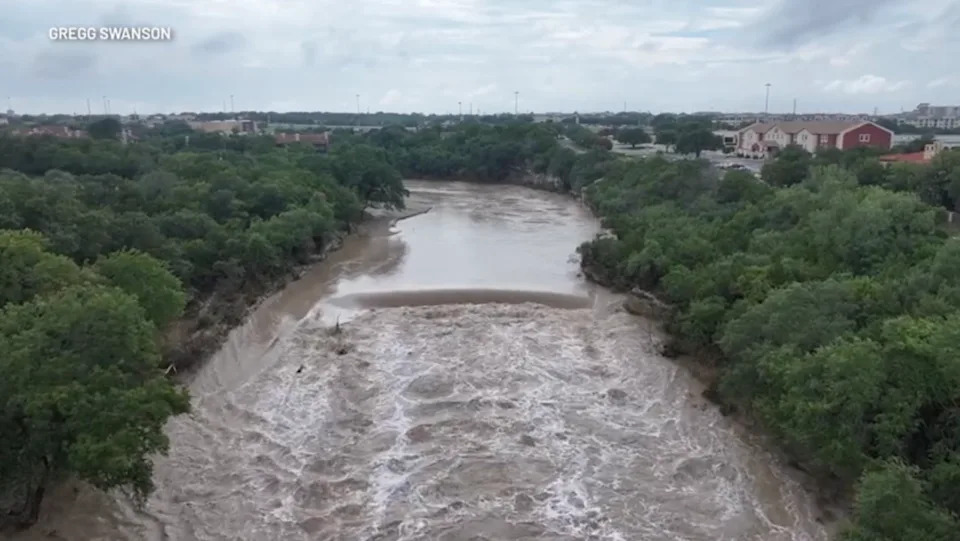
A flooded San Gabriel River in Georgetown, Texas, on July 5, 2025. (Courtesy Gregg Swanson)
Advancements in forecast modeling, Texas legislation requiring sirens and warning systems, additional rain gauges and radars in the Hill Country have all been discussed, most even implemented less than a year later.
Back to main page button
IN-DEPTH: KXAN First Warning Weather special: ‘Flash Flood Alley’
“People don’t think it will happen to them,” Runyen said. “They don’t quite understand in this region what a flash flood really is, how quickly it happens and the power of water.”
Copyright 2026 Nexstar Media, Inc. All rights reserved. This material may not be published, broadcast, rewritten, or redistributed.
For the latest news, weather, sports, and streaming video, head to KXAN Austin.