
A plume of Saharan dust is expected to move into North Texas early next week, bringing hazy skies and lower air quality to the Dallas-Fort Worth area, according to the Texas Commission on Environmental Quality.
The state environmental agency forecasts the denser part of the plume will arrive Monday. Fine particulate levels in D-FW could reach the middle to upper end of the “moderate” range on Monday, with some areas possibly reaching the lower to middle end of the “unhealthy for sensitive groups” range on Tuesday before conditions begin to improve, according to TCEQ.
D-FW air quality was in the “moderate” category Friday, according to AirNow. The forecast could change depending on the plume’s timing and density. TCEQ’s forecast was updated Friday.
Saharan dust comes from the Saharan air layer, a mass of very dry, dusty air that forms over the Sahara Desert during late spring, summer and early fall, according to the National Oceanic and Atmospheric Administration.
Strong winds can lift fine dust particles into the atmosphere, where trade winds carry them west across the Atlantic. The dust can travel thousands of miles and reach the Caribbean, the Gulf Coast and Texas.
In North Texas, the dust is more likely to show up as a widespread haze than as a visible wall of dust moving into the area. The haze may be more noticeable when looking toward skylines or down long stretches of roadway.
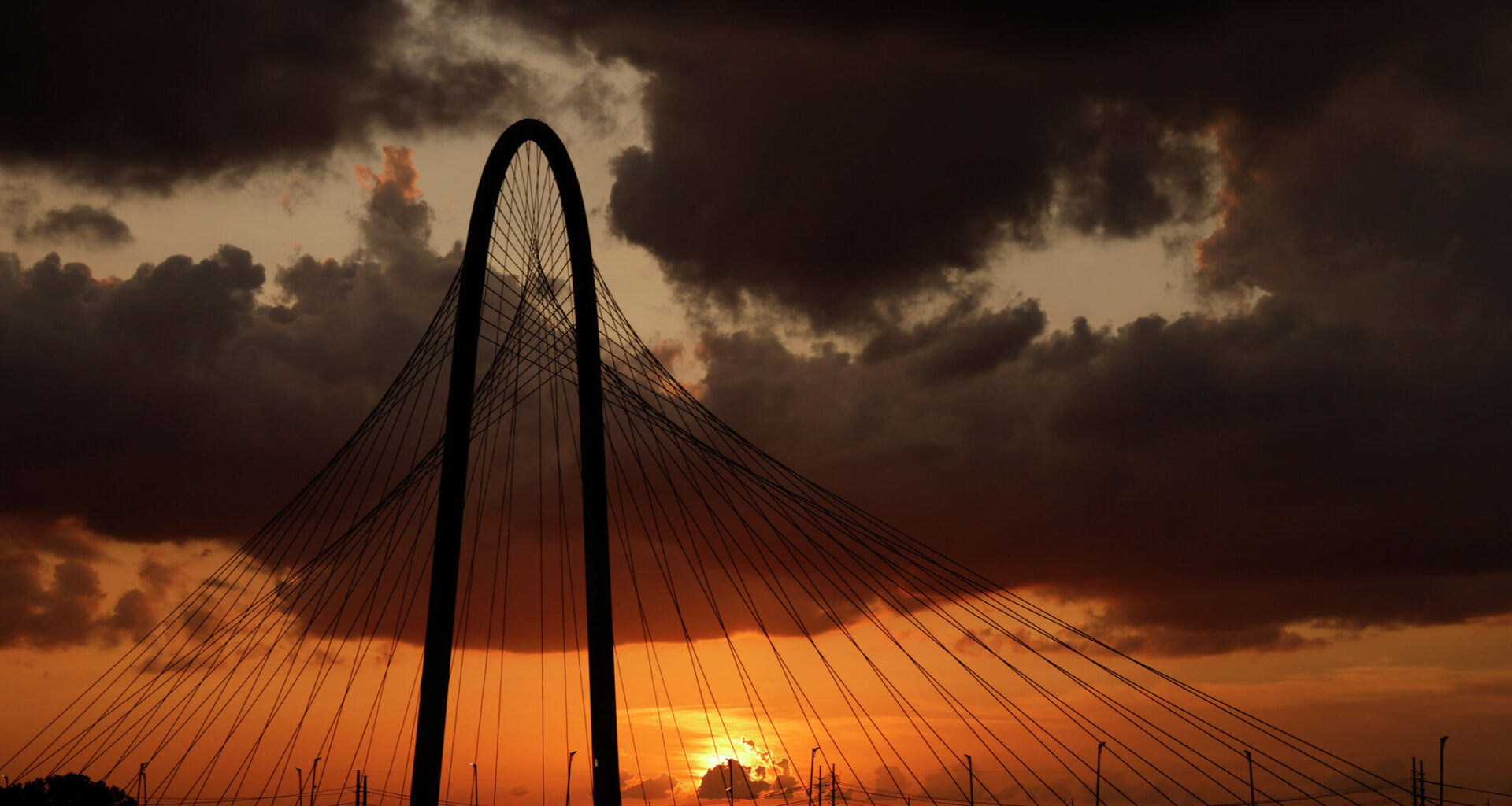
The dust can reduce visibility and contribute to lower air quality. It can also lead to more colorful sunrises and sunsets as particles scatter sunlight.
NOAA says the dry, dusty air can also suppress tropical storm development by limiting moisture and increasing wind shear.
Children, older adults and people with asthma, allergies or heart conditions are most likely to be affected when particulate levels rise. Some people may experience coughing, sneezing, itchy eyes or throat irritation.
Residents in sensitive groups should consider limiting prolonged outdoor activity, keeping windows and doors closed and checking current air quality through TCEQ or AirNow before spending extended time outside.
The agency updates its outlook on normal workdays and may revise it on weekends or holidays when pollution levels are high.