
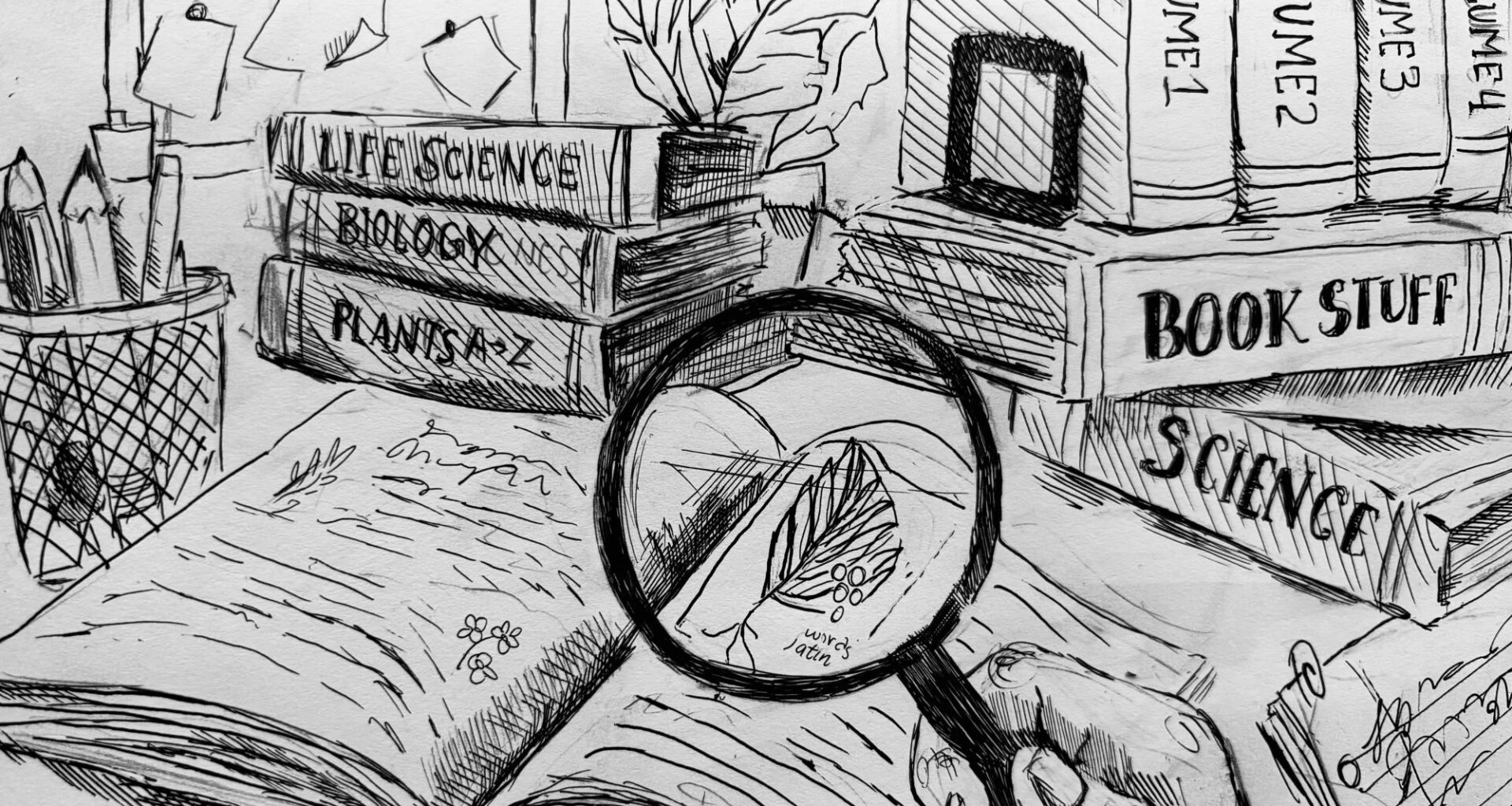
UT leads the way in many different fields, but one of our most extraordinary aspects is the groundbreaking research we produce. Whether in physics or biology, researchers at UT are often at the cutting edge of innovation, changing the game for many different industries. However, we must also recognize the value research has for its own sake. The knowledge gained by research can lead to major educational and technological advancements down the line.
First, it’s important to clarify what research at UT actually looks like. Of course, there are the biology and chemistry labs that people usually picture, but there are also studies in humanities, history and philosophy.
Because researchers often read each other’s work, academics are constantly learning from fellow experts. This cycle of feedback allows researchers to share their findings and build upon each other’s ideas. Assistant philosophy professor Daniel Drucker explained the impact of his department’s research within academia, touching on how research can reach the public sphere through different media.
“There are ways that (research) filters to the wider public,” Drucker said. “Magazines (and) podcasts have been a huge source of public dissemination.”
However, introducing new findings to the general public can be difficult, depending on the topic. Given the complexity of many research topics, some findings require prior knowledge to be properly understood.
“Some fields, you need to be put in a position with respect to your skills and so on to even be able to engage with stuff at the frontier,” Drucker said. “But with fields like (philosophy) and economics, very cutting-edge contemporary thought … a lot of it is accessible to people.”
For some topics, breakthrough ideas take time to resonate with the general public, as they can be founded on theoretical concepts that require practical experimentation to be demonstrated.
“The computer scientist, mathematician, philosopher and code breaker during World War ll, Alan Turing, wrote this article in a technical philosophy journal, and he proposed this test for whether machines can think,” Drucker said. “That is now extremely influential. … It became one of the dominant ways that people think about this extremely important question.”
Developments like Einstein’s theory of relativity and the Turing Test took years of concrete advancements before they were properly understood. Thus, it is crucial to have patience with research and be aware that the major effects can materialize much later down the line.
Similarly, research implemented into industrial innovations and commercialization can often be built on years of progress. Discovery to Impact is an organization within UT that helps transform, often unexpected, research findings into real-world implementation.
“The reason it’s called research is because we don’t know what the outcome is going to be,” said Andrew Maas, assistant vice president for technology transfer at Discovery to Impact. “That research leads to, sometimes, an invention that has commercial value.”
The innovations that Discovery to Impact collaborates with vary greatly, ranging from robotic engineering to paleontology. Some of these innovations are so significant that they help provide worldwide support for critical issues.
“A lot of people don’t realize that the researcher who helped develop the COVID vaccine did some of that research here at UT,” Maas said. “That’s a big wow success factor. We save millions of lives that way.”
Research, in simple terms, is the pursuit of curiosity. From this pursuit, we can grow our collective wisdom and lay the groundwork for future technological advances. Thus, we must be patient with research. We cannot expect it to immediately solve our current problems, but rather we should embrace the insights that it can bring.
Stark is a chemical engineering sophomore from Orange County, California.