
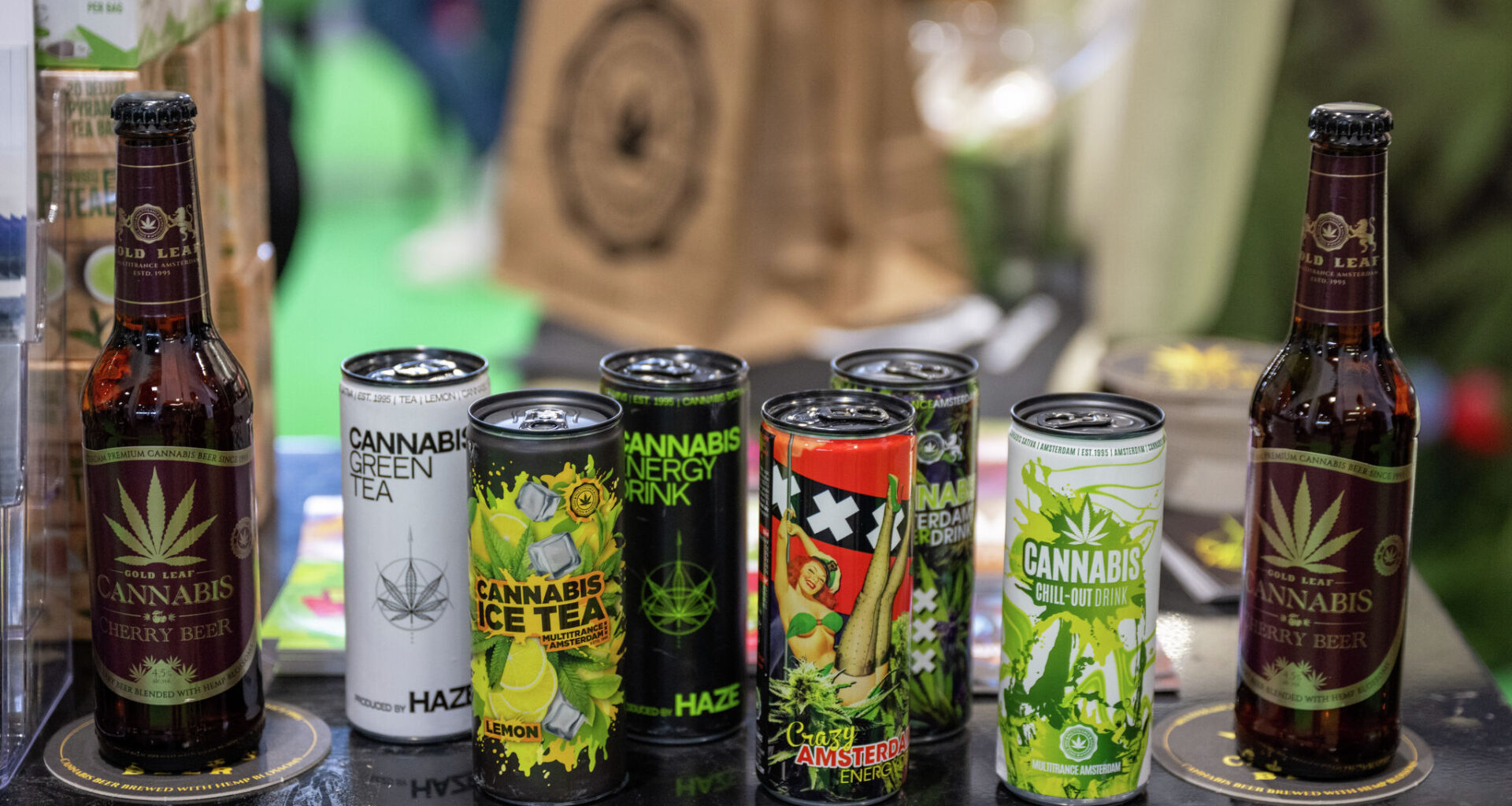
Texas’ laws around hemp are constantly changing amid legislators’ attempted legislative crackdowns, legal challenges and court orders. (Photo by Monika Skolimowska/picture alliance via Getty Images)
picture alliance/dpa/picture alliance via Getty ITexas courts have allowed state health officials to enforce new hemp regulations, leaving the legal status of some THC products unresolved.Retailers in Texas can sell hemp-derived products like CBD oils and THC-infused drinks if they contain no more than 0.3 percent delta-9 THC by dry weight.Major retailers have begun selling THC-infused beverages in stores across Texas as lawsuits over hemp regulations continue.
For most of the 2020s, Texas lawmakers and hemp manufacturers have battled over the legality of THC products in the state.

On June 10, the Texas Fifteenth Court of Appeals denied the hemp industry’s emergency request to maintain a temporary injunction.
Article continues below this ad
The injunction, issued May 1, had prevented the Texas Department of State Health Services (DSHS) from enforcing key portions of the state’s new consumable hemp regulations while the industry’s lawsuit proceeds.
The Texas Agriculture Code defines “hemp” as “the plant Cannabis sativa L. and any part of that plant, including the seeds of the plant and all derivatives, extracts, cannabinoids, isomers, acids, salts, and salts of isomers, whether growing or not, with a delta-9 tetrahydrocannabinol concentration of less than 0.3% on a dry weight basis.”
What products stores are legally allowed to sell remains in limbo.
Federal marijuana policy is shifting, but those changes do not override Texas’ hemp regulations, which remain in effect.
Article continues below this ad
Texas retailers can legally sell many hemp-derived products—including CBD oils, gummies, beverages and topicals—but the legal status of smokable hemp and some intoxicating cannabinoids, particularly delta-8 THC, remains unsettled as lawsuits over the state’s new hemp regulations continue.
As of late June, large retailers sell drinkable THC products in store. But is this legally viable?
Here’s what to know about these confusing laws around hemp.
Are THC-infused drinks legal in Texas?
The same barometer essentially applies to THC-infused drinks. As outlined by the DSHS guidelines, these beverages remain legal, for now, contingent on a product’s content.
Article continues below this ad
Texas permits certain THC-infused drinks if they contain no more than 0.3 percent delta-9 hemp-derived THC by dry weight, the distinction between hemp and marijuana. Again, a product is determined to be illegal or not based on its chemical composition, which relies on lab testing and accurate labeling.
What is the THC legal battle in Texas?
Texas hemp manufacturers and retailers argue that state health regulators exceeded their legal authority by adopting rules that effectively ban many hemp products that lawmakers never prohibited.
At the heart of the lawsuit is whether Texas regulators can tighten hemp restrictions through agency rulemaking or whether those policy changes must come from the Legislature. The hemp industry says regulators overstepped their authority, while the state argues the rules are authorized under existing law.
Article continues below this ad
Does Target sell THC beverages?
Target has expanded sales of THC-infused beverages to nearly all of its Texas stores, the company confirmed.
According to reports, the beverages have been available in the retailer’s Texas locations since May 10.
Here are the THC beverage products the store currently carries:
Article continues below this ad
Cann
Daizys
Find Wunder
Gigli
Senorita
Stigma
Trail Magic
WYLD
WYNK
What’s the difference between THC and CBD?
Cannabidiol (CBD) is a substance derived from the cannabis plant that does not have the psychoactive properties that tetrahydrocannabinol (THC) does. In other words, THC is what someone consumes to get “high” or intoxicated, while CBD does not produce those psychoactive effects.
Article continues below this ad
-Austin American-Statesman staff writer Faith Bugenhagen contributed to this report.