
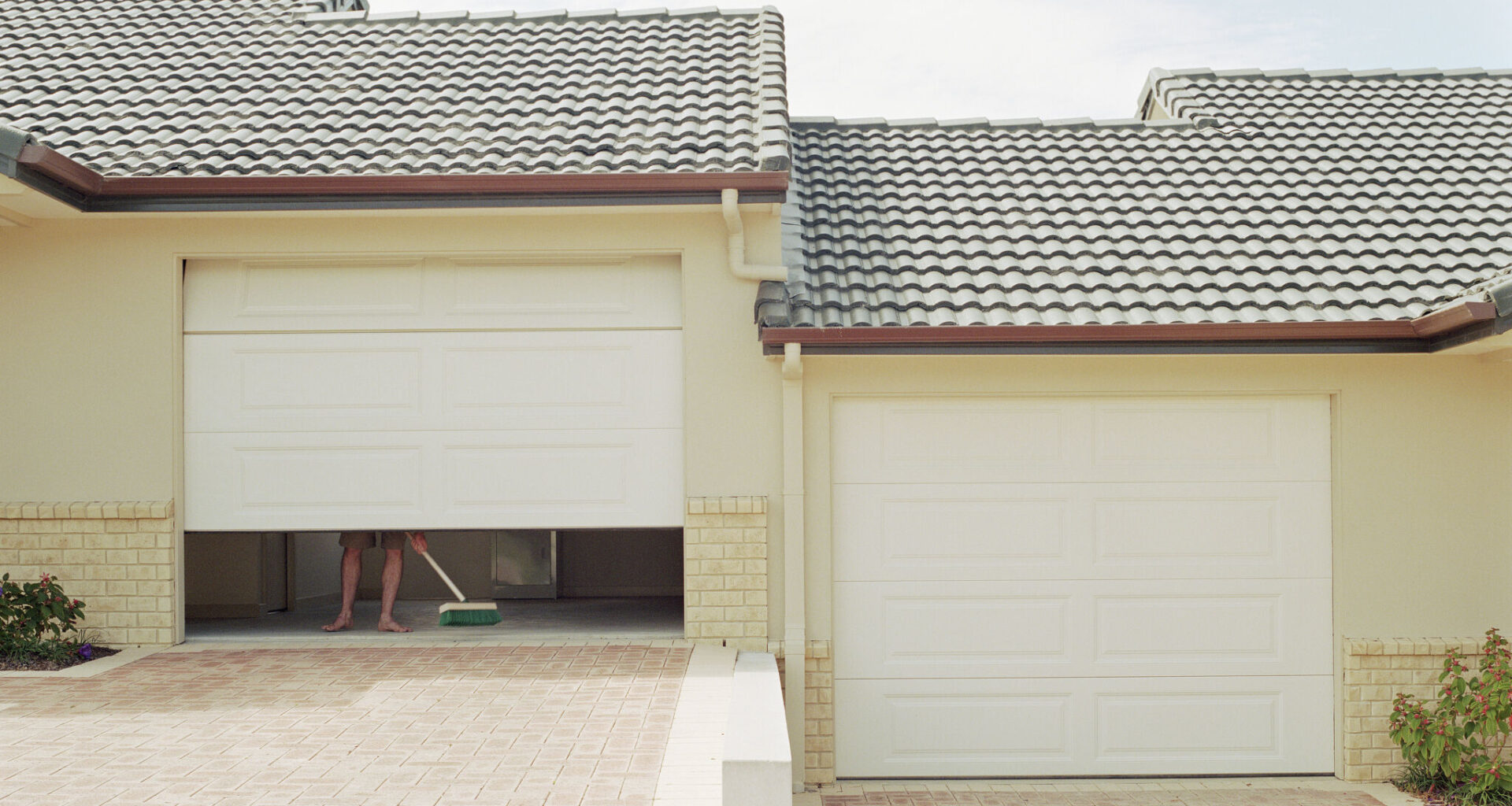
Cracking the door can help a hot garage breathe during some times of the day. For longer-term heat control, Austin Energy and the U.S. Department of Energy recommend steps such as air sealing, weatherstripping and insulation.
And in an attached garage, the bigger question is whether that heat, humidity and garage air are making their way into the house, which Pacific Northwest National Laboratory says can happen when the barrier between a garage and living space is not properly sealed.
Garages get hot because they trap heat from a sun-baked door, limited insulation, poor airflow and heat sources like a water heater, fridge or just-parked car — which Austin Energy recommends keeping out of garages to save energy. If the garage shares a wall, ceiling or door with the house, that heat can make nearby rooms harder to cool.
Cracking the garage door lets some outside air in at the bottom, but the hottest air sits higher up, so a small gap does little without a second opening, vent or fan to move air out. The U.S. Department of Energy says natural ventilation depends on wind and the stack effect — the movement of air based on temperature-based density differences.
The trick works when the garage is hotter than the air outside: early morning before the sun hits the door, evening once it’s off the door, or right after parking a car that’s been baking. Crack it then, ideally with a fan pushing air out, and you can flush some heat before it soaks into the walls and pushes against the rest of the house. It does little in the middle of a 100-degree afternoon.
But a garage door left open for hours can invite pests, dust and security risks. And if the garage is attached, don’t crack the interior door to borrow AC: Pacific Northwest National Laboratory says attached garages should be isolated from living space to help keep carbon monoxide and other contaminants out.
Skip cracking the door all day. Try these tips instead:
The U.S. Department of Energy lists caulking and weatherstripping among the most effective air-sealing fixes, and Pacific Northwest National Laboratory specifically recommends sealing penetrations and the floor between garages and the rooms above them.
Never run a car in an attached garage, door open or not — carbon monoxide builds up fast and a cracked door isn’t a safety plan. The Centers for Disease Control and Prevention says not to run a car or truck inside an attached garage even with the garage door open.
Don’t tie the garage into the house’s AC ductwork unless it’s specifically designed for that.
And don’t expect a portable evaporative cooler to help; those work by adding moisture, which is the last thing a humid Texas garage needs. The U.S. Department of Energy says evaporative coolers should not be used in humid climates because they add humidity to the air.