
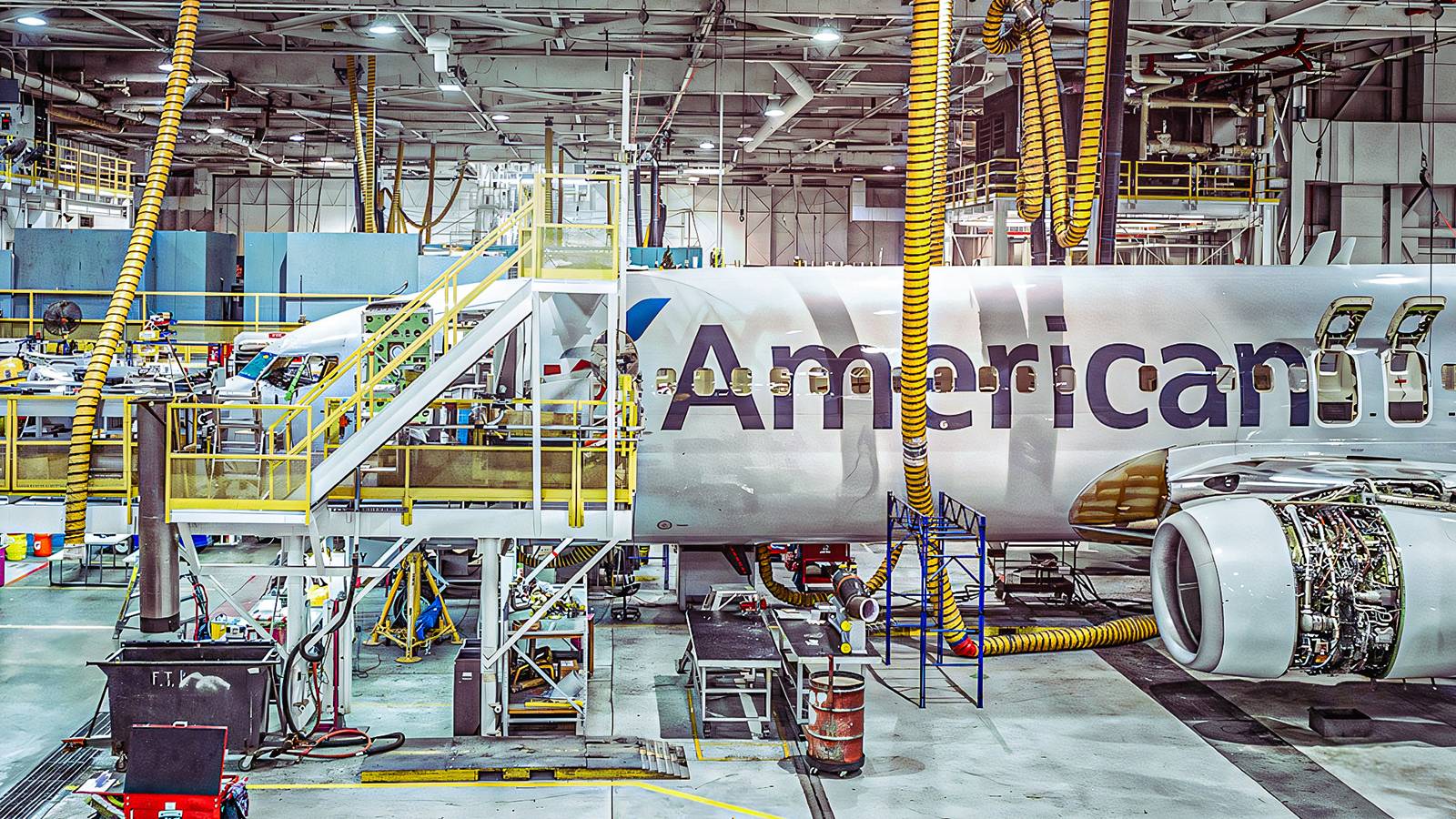
Every morning, before the first departures leave airports, thousands of aircraft systems have already been inspected, repaired, tested, and certified by teams most passengers will never see. Travelers typically associate airline reliability with pilots, gate agents, dispatchers, or airport operations. Yet the ability of an airline to place a safe, airworthy aircraft at the gate often depends on work completed hundreds of miles away in a maintenance hangar during the night.
For  American Airlines, that hidden industrial backbone is Tech Ops Tulsa. Located in Tulsa, Oklahoma, the facility rarely attracts the public attention given to hubs such as
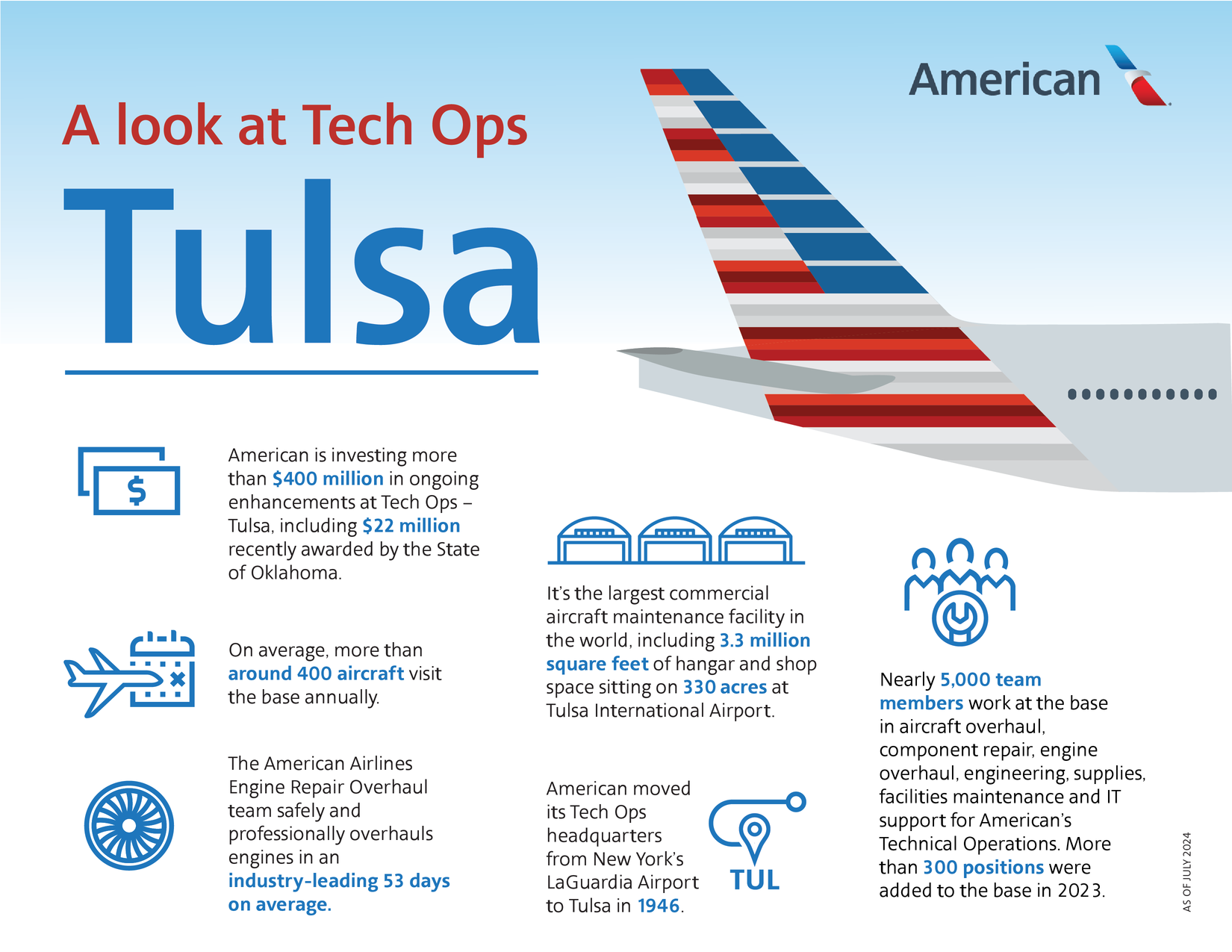
 Dallas/Fort Worth International Airport (DFW), Charlotte (CLT), or Miami International Airport (MIA). Nevertheless, it serves as one of the most important assets in the carrier’s entire network. In June 2026, American Airlines marked the facility’s 80th anniversary, celebrating a site that has evolved from a former military aircraft plant into the largest commercial airline maintenance base in the world. Today, Tech Ops Tulsa performs heavy maintenance, engine overhauls, component repair, and engineering support that help keep one of the world’s largest airline fleets operating safely and efficiently. The anniversary highlights the continuing importance of large-scale maintenance infrastructure in an era when airlines face growing pressure to maximize aircraft utilization, reduce delays, and maintain increasingly sophisticated fleets.
From Wartime Factory To Aviation Powerhouse
Credit: American Airlines
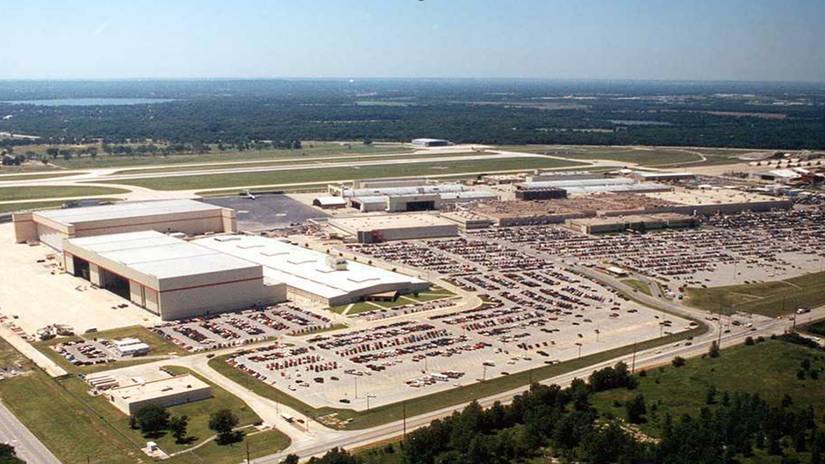
The origins of the Tulsa facility stretch back to the final years of World War II. In 1945, American Airlines acquired a surplus military aircraft manufacturing plant in Tulsa. The following year, in June 1946, the company officially opened the location as a maintenance base, establishing what would become one of the most important centers in commercial aviation maintenance. At the time, the operation occupied approximately 260 acres and included four hangars. Its purpose was straightforward: to provide the technical expertise and infrastructure necessary to support a growing airline fleet. Over the ensuing decades, however, the facility expanded dramatically alongside the airline industry itself.
Today, Tech Ops Tulsa spans roughly 330 acres and contains approximately 3.3 million square feet of hangar and shop space. The scale is difficult to comprehend without comparison. The complex functions more like an industrial manufacturing center than a traditional airport maintenance operation. Specialized workshops, inspection facilities, engineering areas, parts operations, and overhaul centers work together as a coordinated system designed to support aircraft throughout their operational lives.
The growth of the facility mirrors the evolution of commercial aviation. As aircraft became larger, more technologically advanced, and more heavily utilized, maintenance requirements became increasingly sophisticated. Tulsa evolved accordingly, investing in new capabilities and developing expertise across multiple generations of aircraft and propulsion systems. Eight decades after opening, the site remains a critical element of American Airlines’ long-term operational strategy.
The World’s Largest Commercial Airline Maintenance Base
Credit: American Airlines
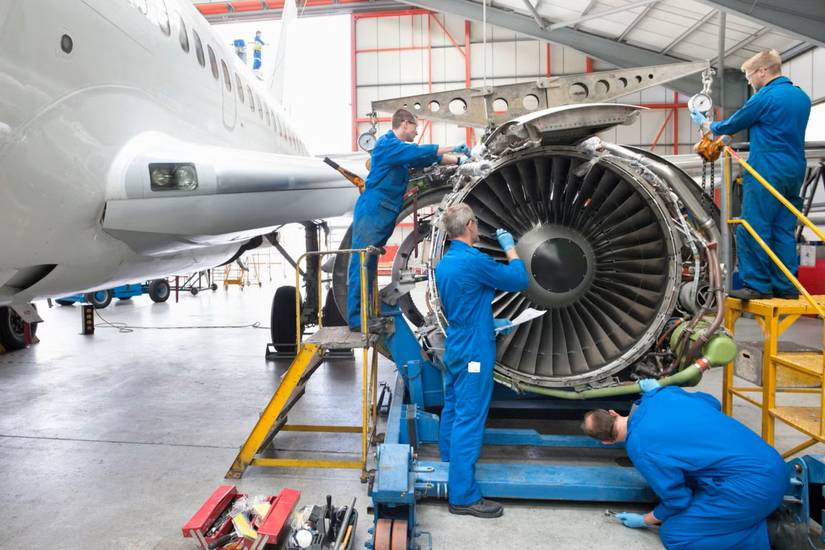
The facility employs nearly 5,000 team members, including more than 2,300 licensed aviation maintenance technicians. These technicians represent one of the airline’s most valuable resources. Their work involves inspecting structures, repairing mechanical systems, troubleshooting avionics, overhauling components, and certifying aircraft for continued service. Unlike routine line maintenance performed at airport gates, much of the work conducted in Tulsa involves extensive inspections and repairs that require aircraft to be removed from normal service. Approximately 400 aircraft visit the facility each year for maintenance activities ranging from scheduled heavy checks to major structural projects.
Heavy maintenance is among the most complex aspects of airline operations. Aircraft must undergo comprehensive inspections at predetermined intervals throughout their service lives. During these visits, technicians evaluate structures, systems, wiring, engines, landing gear, and numerous other components. In some cases, portions of the aircraft are dismantled to allow access to areas that are not visible during routine inspections.
These projects can require thousands of labor hours and involve coordination among multiple technical disciplines. The ability to perform such work efficiently has direct implications for airline performance. Every day an aircraft spends out of service represents lost operational capacity. Facilities capable of completing maintenance effectively and returning aircraft to service on schedule, therefore, become essential business assets. For American Airlines, Tulsa provides that capability at a scale few competitors can match.

Related
American Airlines’ New No. 1 Long-Haul Hub: Dallas/Fort Worth Dethrones Heathrow In 2026
Multiple airports have ranked first in the past two decades. Find out more here!
The Engine Shop Driving Operational Reliability
Credit: American Airlines
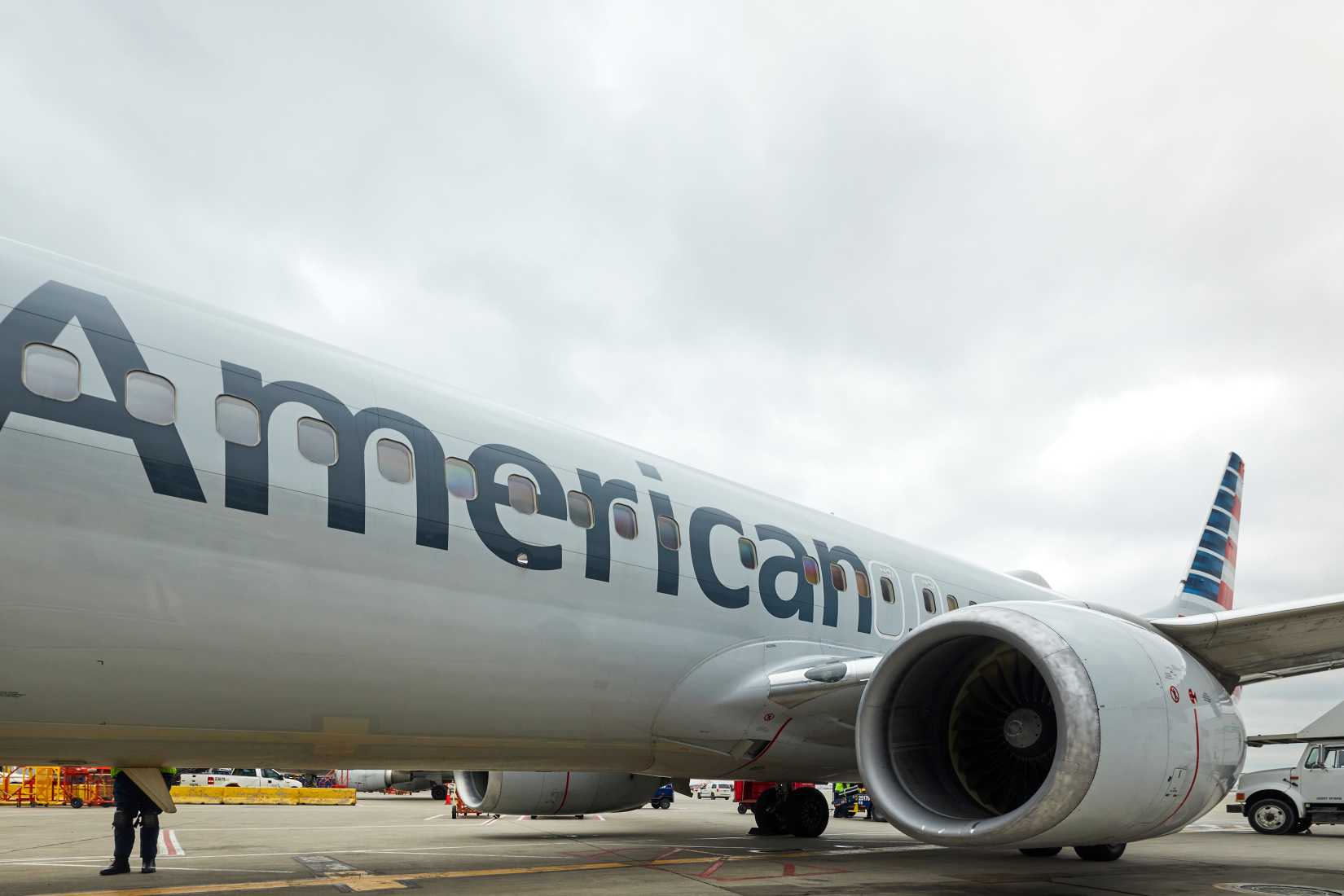
One of the most strategically important areas within Tech Ops Tulsa is the airline’s engine maintenance operation, known as AAERO. Modern commercial aircraft engines are among the most sophisticated machines in transportation. They operate under extreme temperatures and pressures while generating the thrust necessary to move hundreds of passengers across continents and oceans. Maintaining these engines requires specialized expertise, advanced tooling, and rigorous quality controls.
Recent investments have significantly expanded Tulsa’s engine overhaul capabilities. American Airlines reported that engine shop throughput has increased by nearly 60%, enabling the operation to process approximately 150 engines annually. This improvement comes at a time when airlines worldwide continue to face maintenance bottlenecks and supply chain challenges affecting engine availability. The significance extends well beyond the maintenance department. Engine shortages have become a major issue throughout the global airline industry, with carriers sometimes forced to ground aircraft while waiting for repairs or replacement components. By strengthening its in-house overhaul capabilities, American gains greater control over a critical part of its operational ecosystem.
The company has also invested heavily in engine shop modernization. Recent initiatives include a $31.6 million capital investment designed to improve efficiency, expand capacity, and support future maintenance requirements. These upgrades reflect a broader strategy focused on increasing reliability while reducing dependence on external maintenance providers. For passengers, the impact may never be visible. Yet every aircraft that departs on schedule with a fully serviceable engine represents the successful outcome of a complex maintenance process occurring behind the scenes.
A $400 Million Commitment To The Future
Credit: Shutterstock
An 80-year anniversary naturally invites reflection on the past, but American Airlines is equally focused on the future of the Tulsa operation.
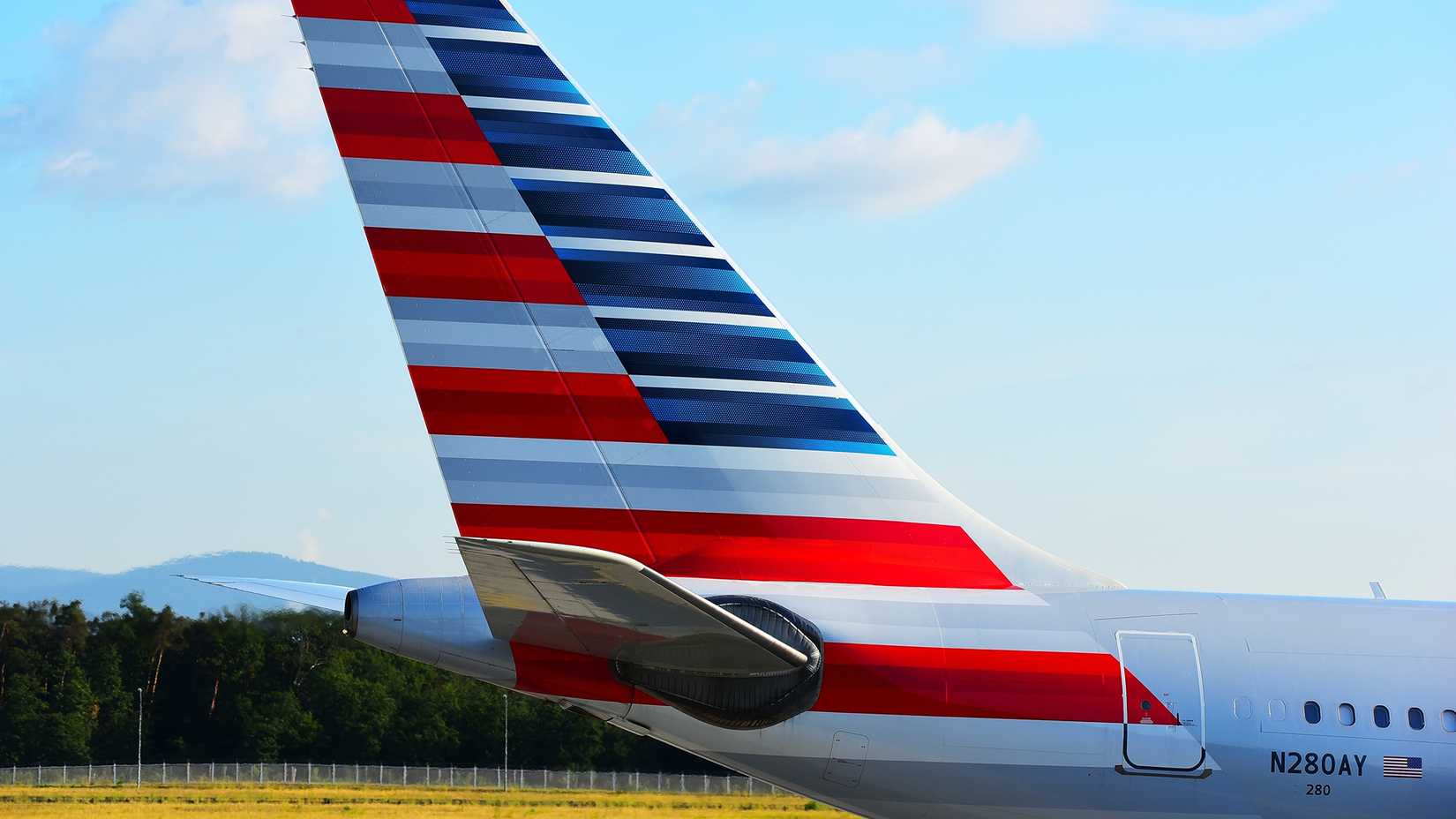
The airline is currently implementing a modernization program valued at approximately $400 million. The initiative represents one of the most significant investments in the facility’s history and demonstrates the company’s long-term commitment to maintaining a robust in-house technical operation. Modern airline maintenance increasingly relies on advanced technologies that extend far beyond traditional mechanical work. Digital inspection tools, predictive maintenance systems, enhanced diagnostic capabilities, automated inventory management, and sophisticated engineering software are becoming central to fleet support strategies.
The Tulsa modernization effort is intended to ensure the facility remains capable of supporting current and future aircraft fleets. Improvements are being directed toward infrastructure, equipment, workflow efficiency, and operational capacity. The goal is not simply to maintain existing capabilities but to strengthen the facility’s role as a strategic competitive advantage. Additional support has come from public-sector partners. Recent funding initiatives have included a $22 million state grant designed to support continued development and expansion efforts. Such investments underscore the facility’s broader economic significance to Oklahoma as well as its importance to American Airlines.
The modernization program also reflects a wider trend within aviation. As airlines seek greater resilience against supply chain disruptions and maintenance shortages, ownership of large-scale technical capabilities has become increasingly valuable. Tulsa allows American to retain substantial control over key aspects of fleet maintenance rather than relying exclusively on external providers.
Related
Why US Airlines Send Their Aircraft To Central America For Maintenance & Retrofits
Why are US planes being maintained abroad?
Building The Next Generation Of Aviation Technicians
Credit: Shutterstock
Even the most advanced maintenance facility ultimately depends on skilled people. One of the most significant challenges facing the aviation industry today is workforce development, particularly in the field of aircraft maintenance. Like many sectors of transportation and manufacturing, aviation faces demographic pressures as experienced technicians retire and demand for technical talent continues to grow. American Airlines has responded by strengthening educational partnerships designed to create a sustainable pipeline of future maintenance professionals.
A major component of this strategy is the airline’s partnership with Tulsa Tech. The collaboration formalizes pathways for aviation maintenance technology students to enter the workforce through mentorship opportunities, professional exposure, and guaranteed interviews for top-performing graduates. The partnership serves multiple objectives. Students gain direct access to industry professionals and practical career opportunities. American Airlines gains access to a pool of trained candidates who are already familiar with aviation maintenance standards and expectations.
This approach recognizes a simple reality: infrastructure investments alone cannot sustain a maintenance operation. Facilities require highly trained technicians capable of working on increasingly complex aircraft systems. Developing that workforce requires years of preparation, education, and hands-on experience. The scale of Tulsa’s current workforce illustrates the challenge. With nearly 5,000 employees supporting operations, maintaining staffing levels requires continuous recruitment and training efforts. Establishing clear pathways into aviation maintenance careers therefore becomes essential for long-term success.
As aircraft technology evolves, workforce development will likely become even more important. Future technicians will need expertise that combines traditional mechanical skills with advanced digital diagnostics, data analysis, and emerging maintenance technologies. Programs developed today will help determine whether the industry can meet those future requirements.
NEW
Catch what other flight trackers miss
Emergency squawks, holds, NOTAMs — live signals, no signup.
Open tracker
→
NEW
Catch what other flight trackers miss
Emergency squawks, holds, NOTAMs — live signals, no signup.
Open tracker →
Tulsa Tech Ops Is Crucial To Operations
Credit: Shutterstock
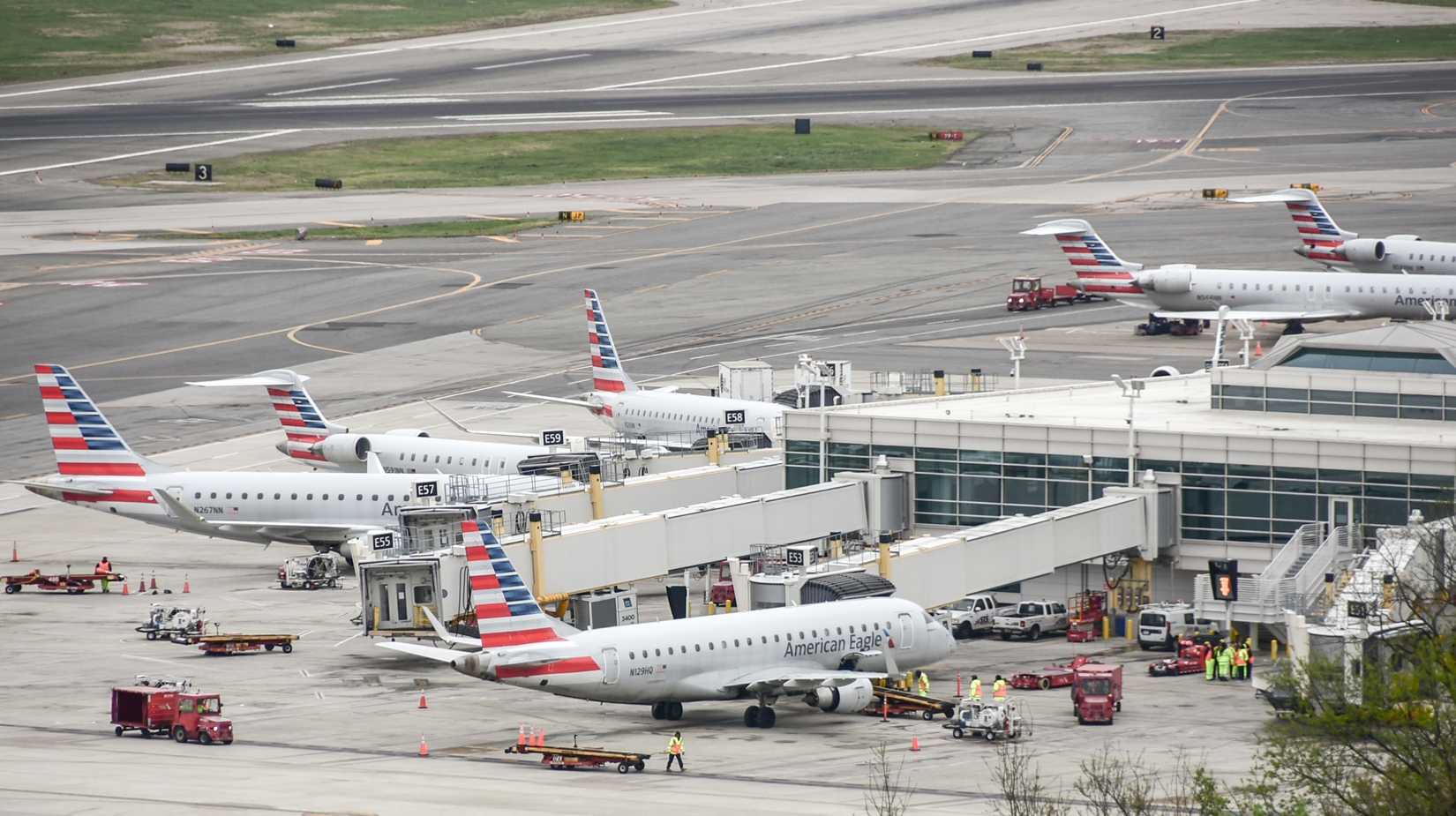
The 80th anniversary of Tech Ops Tulsa is a recognition that highlights a significant portion of what keeps the American Airlines operation on track every day. From heavy maintenance and engine overhauls to workforce development and infrastructure modernization, the Tulsa base functions as a critical support system for one of the world’s largest airline networks. Its evolution from a surplus military plant in 1945 to a 3.3-million-square-foot maintenance complex demonstrates how essential technical operations have become to modern aviation. With nearly 5,000 employees, approximately 400 aircraft visits annually, expanded engine overhaul capacity, and a $400 million modernization program underway, Tech Ops Tulsa remains central to American’s future plans.
Passengers may never see the hangars, workshops, or technicians responsible for preparing aircraft for service. Yet when an airplane pushes back from the gate on time and ready to fly, there is a good chance that work done in Tulsa helped make that departure possible. Eighty years after opening, the facility remains one of the airline industry’s most important examples of how maintenance excellence underpins operational reliability.