
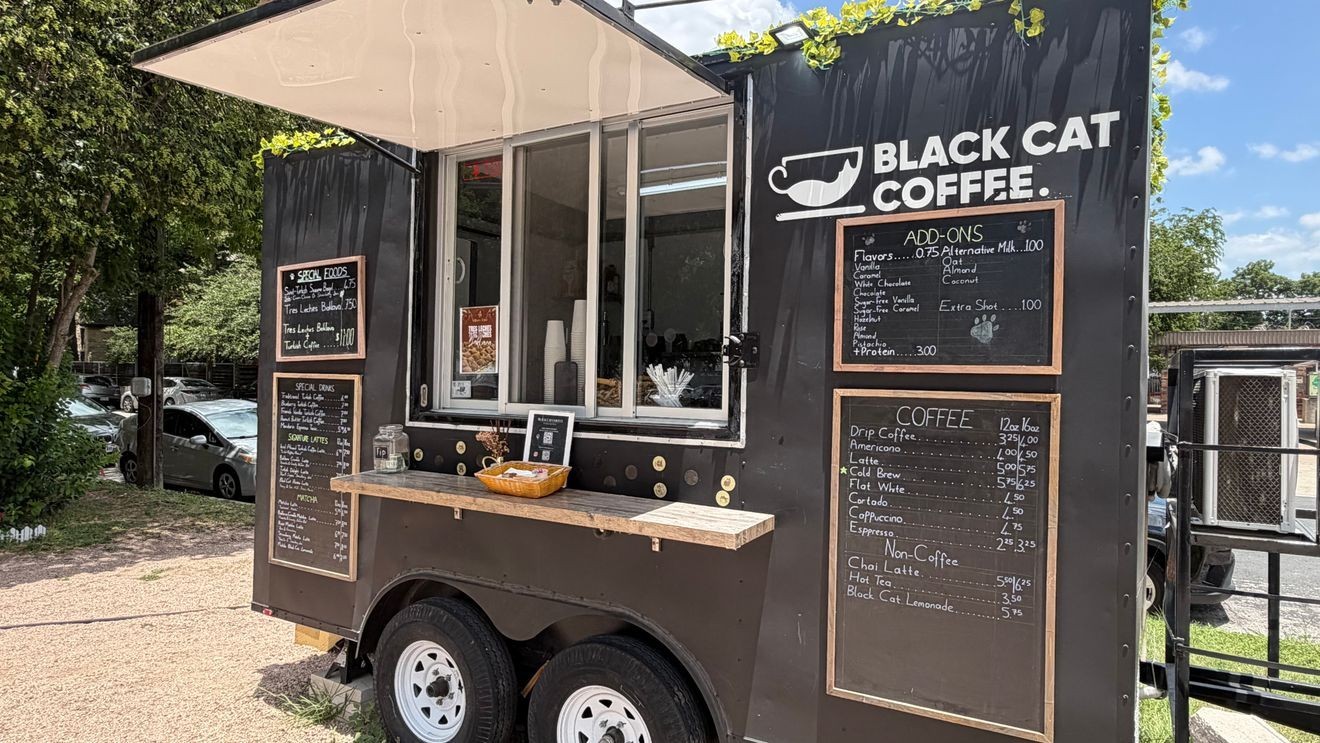
AUSTIN, Texas — Texas House Bill 2844 took effect today, creating a statewide health permit for food trucks through the Texas Department of State Health Services (DSHS).
The new law aims to eliminate red tape and extra fees that vendors used to face. Previously, food trucks had to obtain separate health permits for each city or county in which they wanted to operate.
ALSO | World Cup fever is driving massive growth in Austin soccer programs
Gazi Kose is a former food truck owner based in Austin. He says his catering business demanded frequent travel.
“This new permitting process would have helped us a lot, because we had to get different type of permits for different counties,” he said. “And that would have saved us a lot of time and money at the same time.”
However, he thinks the benefit of the new permit system is dependent on the operations of the food truck.
“A stationary food truck that doesn’t travel all the time? That’s going to make it too difficult for them,” he said.
Such is the case for Çar Gözkonan, the owner of Black Cat Coffee. He opened his coffee truck four months ago with help from Kose, but he says the new state permit is only increasing his expenses.
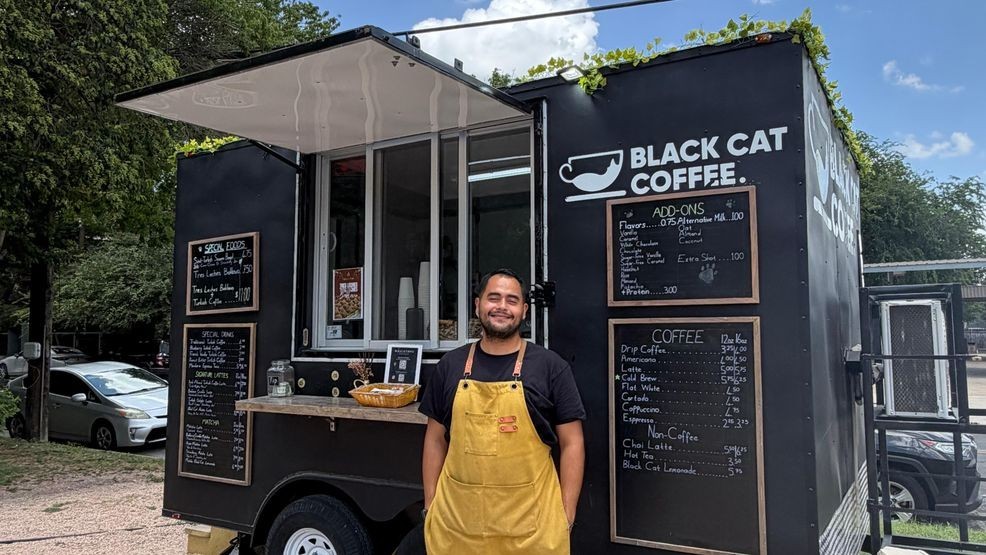
Çağrı Gözkonan owns Black Cat Coffee on the 2100 block of S. First Street and W. Live Oak
“I have the permits from the city of Austin, but they changed,” Gözkonan said. “Now the Texas government is looking for a new permit, but they want to ask $1,000 to $1,400. That price is so expensive for us, because we are a small business.”
According to the City of Austin, mobile food vendor fees from Austin Public Health ran at $309 per unit, with additional case-dependent fees for inspections.
The new state health permit will charge vendors using a tier system based on the products sold and preparation required.
For a coffee truck like Gözkonan’s, the permit application fee runs $618 plus an additional $400 for a pre-licensing inspection, a total of $1,018.
According to the DSHS Mobile Food Vendor Guide, application fees could range from $309 with no additional fees to $1,376 with more costs for necessary inspections.
Moreover, the state health permit is only one of many permits that vendors need in order to operate. Cities and counties still issue other permits and fees related to zoning, fire inspections, parking and more.
While local health permits expired with the implementation of HB 2844 today, trucks unable to secure a state permit do not have to stop operating.
To stay open while waiting for their new health permit, vendors must complete a DSHS application, pay the required fees, and provide proof of a current local permit. Trucks also need to print and maintain copies of their DSHS application summary and payment receipt on their vending unit until the new permit is issued.
“The survival instinct now is like, ‘Okay, is it worth running this business with permits coming in and adding all these costs?'” said Kose about the situation. “Because the permitting is one cost, but there are so many little things [vendors] have to pay for.”