
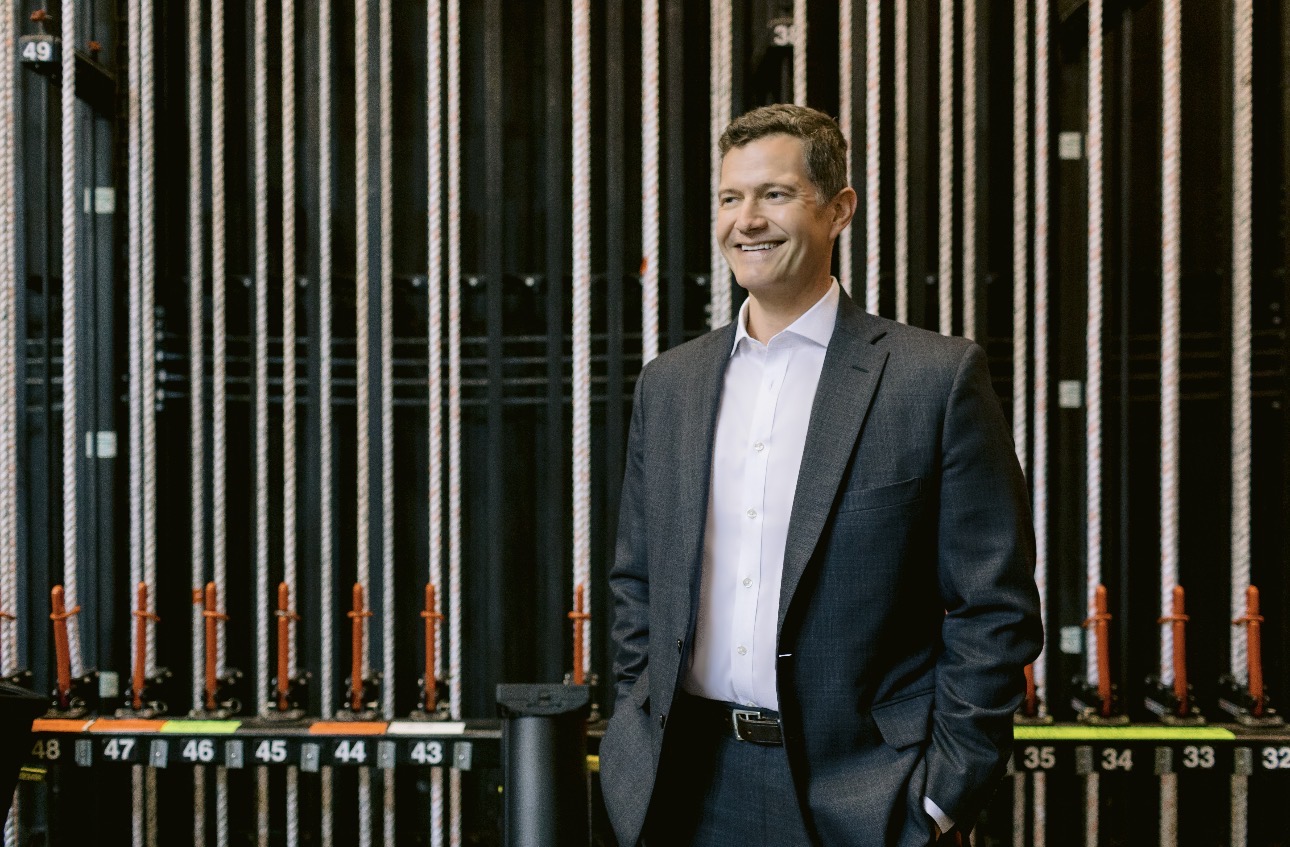
After eight years as general director and CEO of the Dallas Opera, Ian Derrer (pictured) stepped down at the end of June 2026 to head the Canadian Opera Company in Toronto.
Kyle Flubacker
At the end of June, after eight years as general director and CEO of the Dallas Opera, Ian Derrer stepped down to head the Canadian Opera Company in Toronto.

The sixth person to run the Dallas company since 2000, he may well be the most fondly remembered. He brought wide-ranging experience to the job, as a singer, stage manager, production director and artistic administrator, and finally general director and CEO of Kentucky Opera. Southern gentleman graciousness has been a major asset.
Not least of his accomplishments at TDO was landing the $25 million challenge grant from the O’Donnell Foundation. It was matched by gifts and pledges for a total of $54.5 million to be divided between the endowment and operating expenses.
Article continues below this ad
Herewith, edited excerpts from an exit interview:
You seem to have been the rare arts administrator that everyone liked.
[Laughs] I think you need to cast a wider net, perhaps.
You took over a company facing major deficits.
Article continues below this ad
It was a tough set of circumstances. That was immediately addressed by the board and the leadership of the opera, and we came up with a plan. That was a defining moment of understanding — not only a six-month vision, but what we needed to be doing the next couple of years. All those plans were thoroughly thought out, but then completely flummoxed by the pandemic.
How did you work through the pandemic?
All the performing arts had to find their unique ways to the challenge of not being able to gather together. For us, it was not only gathering, but singing. Being able to do that, which is innate to our business, was one of the highest risks at the time.
We were one of the first performing arts entities in the area to pull back performances, but we came back a lot sooner than a lot of other companies. All the layers of testing that had to be done on a daily basis, and all the security measures to keep everybody safe — that was a huge puzzle.
There were layoffs, salary cuts, contracts canceled. You had to make tough decisions, but you didn’t want to make decisions that would affect your coming back. Those were all timelines that were changing on a daily basis, depending on the effect or rollout of vaccinations.
Article continues below this ad
Our 2022 Madame Butterfly was our first fully staged opera post-COVID that resembled anything we did prior to COVID. It wasn’t that we weren’t still battling challenging illnesses.
What we were the high points of your time here?
The things I am most proud of are very balanced and fully stacked productions in terms of casts and production quality, trying to maintain quality from all the smallest roles to the greatest roles, with the chorus and orchestra, as well. The most recent productions I would cite would be the Dialogues of the Carmelites and the Elektra, productions in which we really hit it out of the park in making sure everything was in balance.
The low point was obviously COVID.
Without question. That’s a grief I shared with the rest of the world.
Article continues below this ad
You also benefited from casting advice from David Lomelí, who’s so attuned to singers around the world and has now succeeded you as general director. And Emmanuel Villaume, as a music director with an international career, has transformed the Dallas Opera Orchestra into an excellent ensemble.
They were wonderful longtime colleagues. Having longevity in working together and friendships lends itself to being able to read one another’s mind, and predict what they will like and not like. Having that kind of rapport is very unusual and exciting.
Emmanuel has been such an anchor for me and the company. He’s been very attentive and very dedicated to bringing the best out of each player and section. I think they are themselves proud of what they achieve, and I think they are also listening to each other with heightened expectation and curiosity as well.
How did the Toronto connection happen? It obviously offers a bigger budget and more productions in a very international city.
It began with an inquiry for recommendations for that particular job. I supplied several suggestions and names to them. A lot of time went by before they approached me as to whether I’d be interested in the position. My interest in the role really came much later in the process.
Article continues below this ad
What challenges lie ahead for the Dallas Opera?
I think the challenges and opportunities are similar for most opera companies. The challenge is going to be finding the necessary money year after year to meet your goals. You also have to find new revenue sources, to fill the gap between expenses and what you’re able to make at the box office.
Having a hall, a performance venue, of the quality of the Winspear Opera House is a rarity, and something to be prized. The opportunities of what you can do physically because of that building are tremendous.
I hope the magnitude of the offerings in the Arts District will inspire the corporations and communities moving from both coasts and different cities to take advantage of the opportunities.