
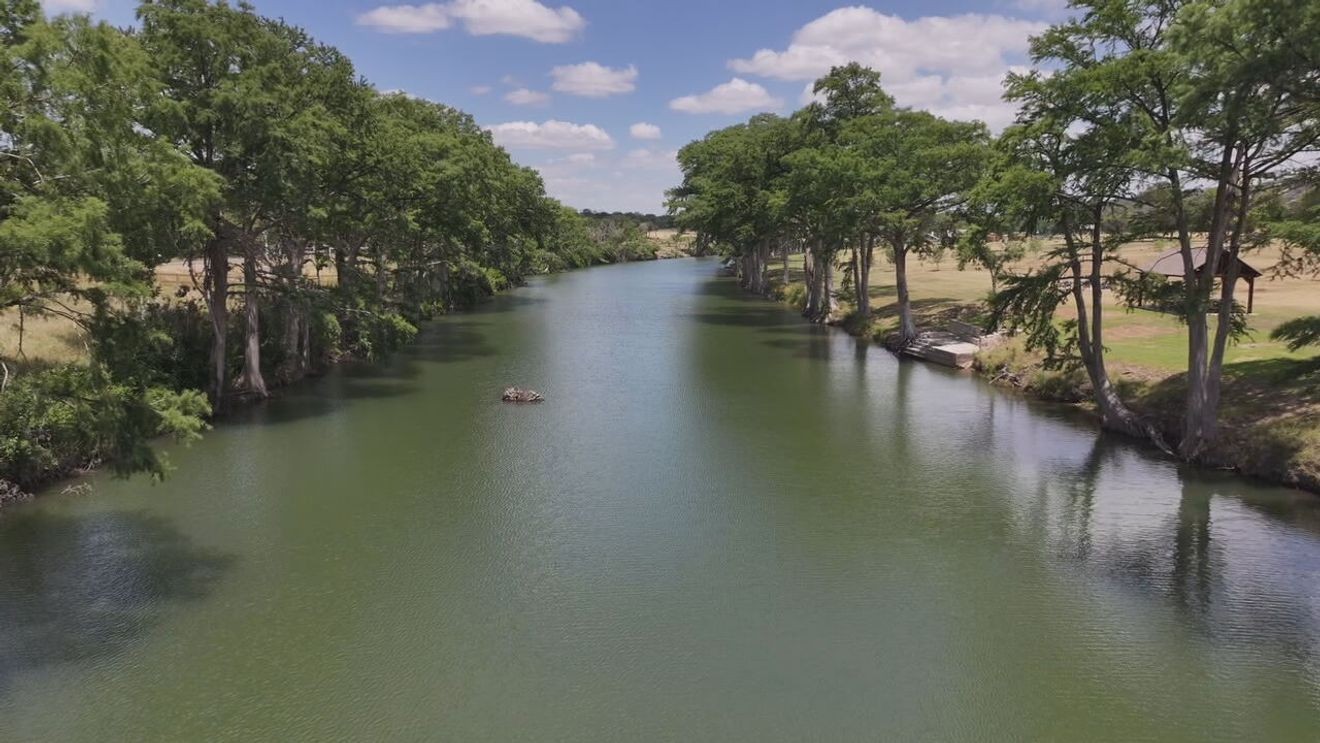
KERR COUNTY, Texas — Crews are still finding signs of what the Guadalupe River carried during last year’s deadly flooding: tree limbs, parts of homes, vehicle debris and other hazards swept downstream.
But some of the other concerns are not as easy to see from the surface.
Months after floodwaters tore through the Hill Country, divers and local groups are continuing the painstaking work of clearing public areas of the river while water quality testing tracks whether bacteria or other contaminants pose a risk to people returning to the water.
“Some days you can see three feet, some days, like today, I can see barely my hands in front of my face,” said JD Rudd, a volunteer diver helping with cleanup efforts.
Divers have already cleared more than 20 public river sites, pulling out tires, vehicle parts, and even a 55-gallon drum, Rudd says.
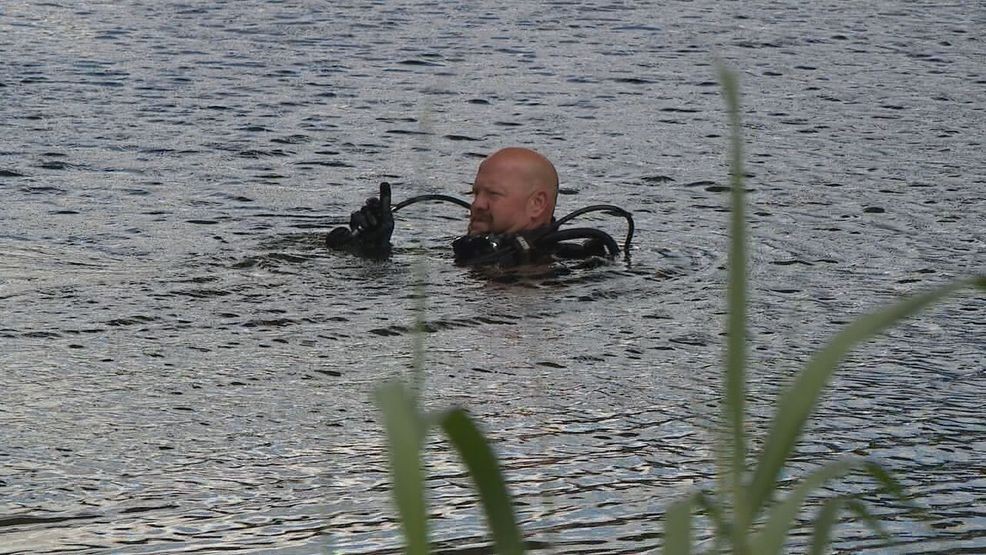
JD Rudd dives in the Guadalupe River searching for debris that needs to be removed (SBG San Antonio)
“The public can have confidence that to the extent we can, it’s a wild river, but we’ve removed all the obvious hazards,” said William Whitson, senior consultant with Kerr Together.
According to Kerr Together, roughly 34,000 pounds of debris have been cleared from the Guadalupe River so far.
Cleanup efforts could continue for years.
While crews work to remove visible hazards, the Upper Guadalupe River Authority is monitoring what people cannot see: bacteria and other possible contaminants in the water.
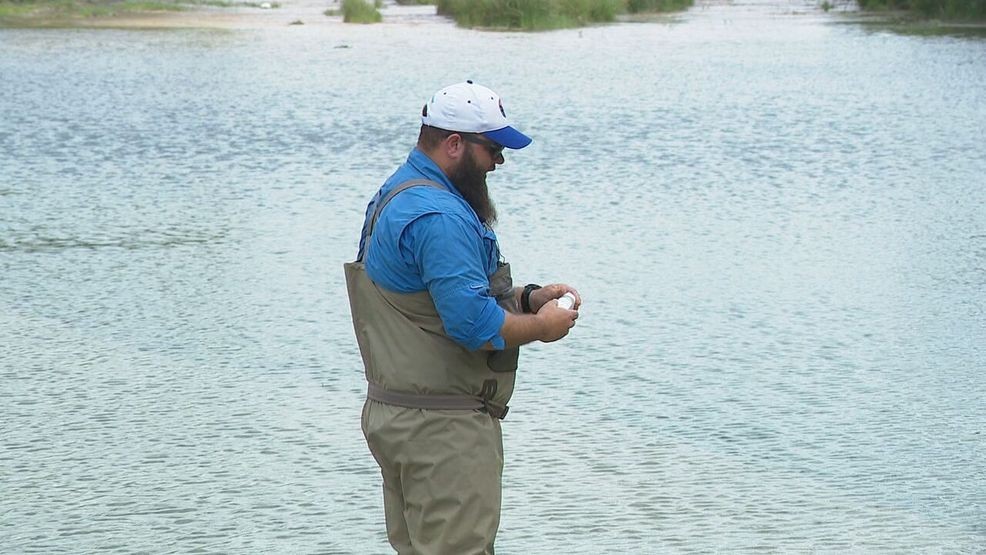
UGRA tests river sites for E. coli each week (SBG San Antonio)
Every week from Memorial Day through Labor Day, UGRA crews test for E. coli at 21 different sites along the river. The testing program is not new. UGRA says it has been part of its standard routine for years.
After the July 2025 flooding, UGRA also conducted additional water quality sampling.
UGRA says routine parameters such as chloride, nitrate, and sulfate were within state water quality standards and within the normal range for those locations. The agency said E. coli bacteria levels also quickly returned to normal ranges.
UGRA also tested for contaminants that are not part of its routine sampling programs, including hydrocarbons, metals, herbicides, and pesticides.
The results were below the reporting limit. Of the metals tested, UGRA says aluminum was the only one detected, and it was found at a low level within drinking water standards.
UGRA resumed routine water quality monitoring in August 2025 and says test results have been consistent with pre-flood water quality conditions.
For some visitors, that is welcome news.
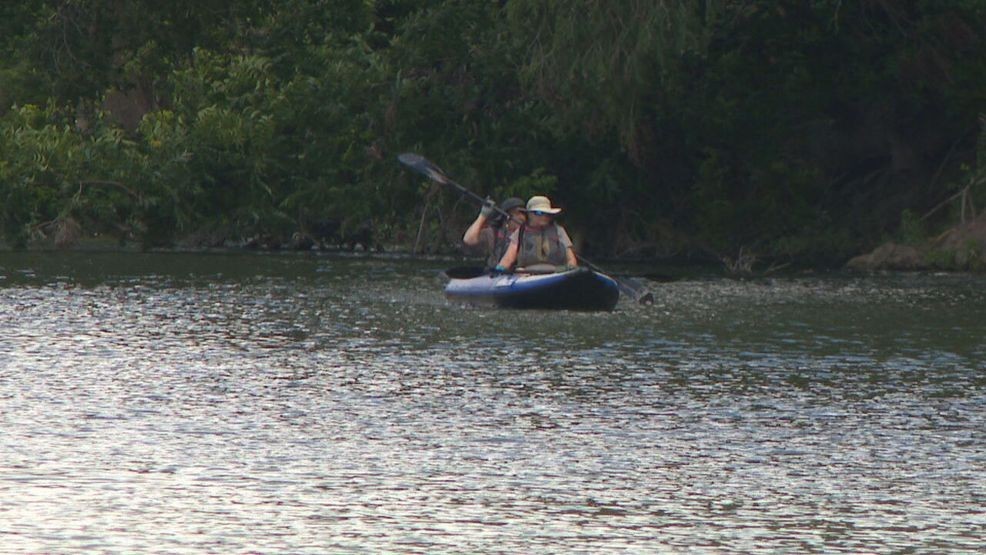
Kerr Together reports 20 public river sites have been cleared of debris this year (SBG San Antonio)
“I’ve noticed more and more… every weekend it seems like more people are showing up and enjoying [the river],” Rudd said. “It’s coming back.”
Still, not everyone is ready to get back in the water.
Kylie Nidever lives in the Bumble Bee neighborhood near Hunt. Almost every home in the area took on water.
Recovery has been a long journey, and she says there is still a lot of debris in her area of the Guadalupe.
“So it’s not really safe to swim in right now,” Nidever said.
When asked whether that makes her concerned about eventually returning to the river, Nidever said she still has questions.
“I have too many concerns about what’s in it now, and I don’t feel comfortable getting back in the water anytime in the near future,” she said.
Officials say people heading back to the Hill Country should be cautious, especially in areas where debris may still shift or resurface with the river’s flow.
“We want them to wear footwear into these areas even though it’s been cleared by hand and gridded by divers,” said Jay Brimhall, Kerrville’s Director of Parks and Recreation. “You never know with the flow of the river what’s unearthed.”
The bottom line: officials say you should be cautious in the river, but not afraid.