
For generations, Dallas has shown America a new way of doing business.
As economic and political influence shifted from the Northeast and Midwest after World War II, North Texas emerged as one of the defining examples of Sun Belt capitalism.
The city courted business, celebrated risk-taking and embraced growth. It paired entrepreneurial ambition with public investments that made it easier for companies to expand.
Founded as a trading post along the Trinity River, Dallas was built on commerce.
Railroads, cotton and oil transformed it from a frontier settlement into an economic powerhouse, while leaders invested in projects such as Dallas-Fort Worth International Airport, which positioned the region for national and global commerce.
To millions of television viewers around the world, Dallas wasn’t just a city. Through the fictional, scheming oilman J.R. Ewing, it became a symbol of wealth and opportunity, a place where big ideas and bigger bets paid off.
Business leaders such as H.L. Hunt, Trammell Crow and Ross Perot helped make that image real, defining Dallas’ economy and skyline through investment, dealmaking and bold thinking. Their work, from commercial real estate to technological innovation, reshaped the way cities pursued prosperity.
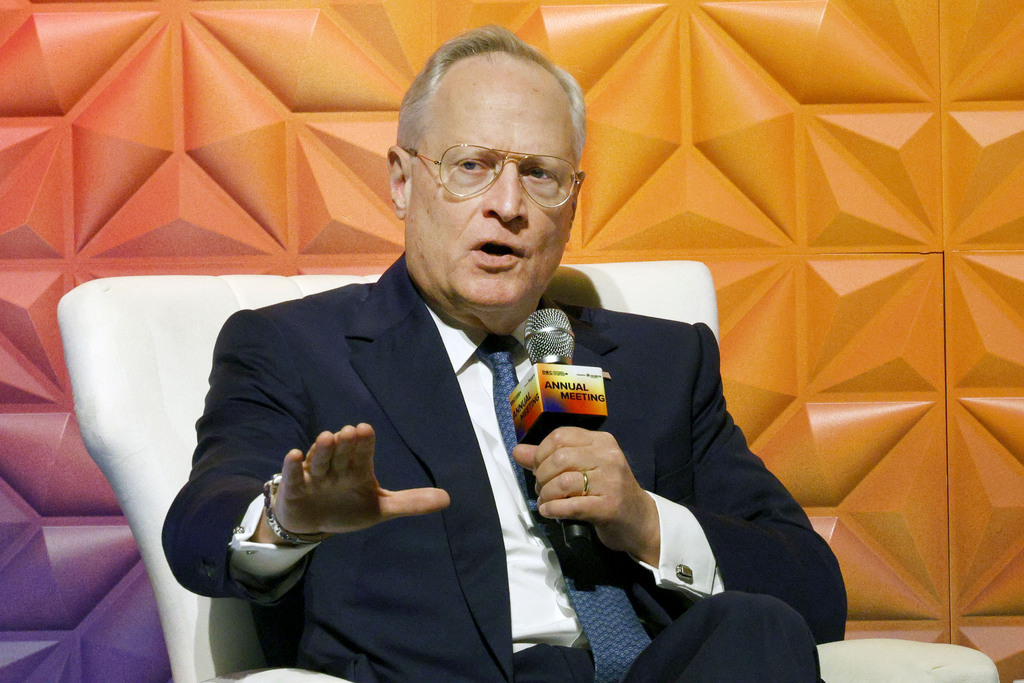
“The culture here is that you’re praised to take a risk,” said Perot’s son, Ross Perot Jr. of Dallas, who founded real estate firm Hillwood and developed AllianceTexas, a pioneering 27,000-acre inland logistics, industrial and residential project.
“A lot of these older cities are older cultures. They don’t embrace risk like we do,” said Perot, whose term as chairman of the U.S. Chamber of Commerce ends next year. “Those cities forgot how to win.”
The region has its advantages. Unlike older metropolitan areas hemmed in by oceans, Great Lakes or other geographic barriers, North Texas had room to grow.
The center of business no longer had to be downtown. It could spread across a network of suburban cities, a model that much of metropolitan America would follow.
Low-tax and business-friendly policies have made Texas a headquarters magnet, and the Dallas metro area is one of the top markets for Fortune 500 companies.
That momentum shows few signs of fading.