
When President John F. Kennedy was assassinated on Nov. 22, 1963, in Dealey Plaza, Dallas became the setting for a national crisis of confidence, helping usher in an era of doubt, distrust and political division that still grips the country.
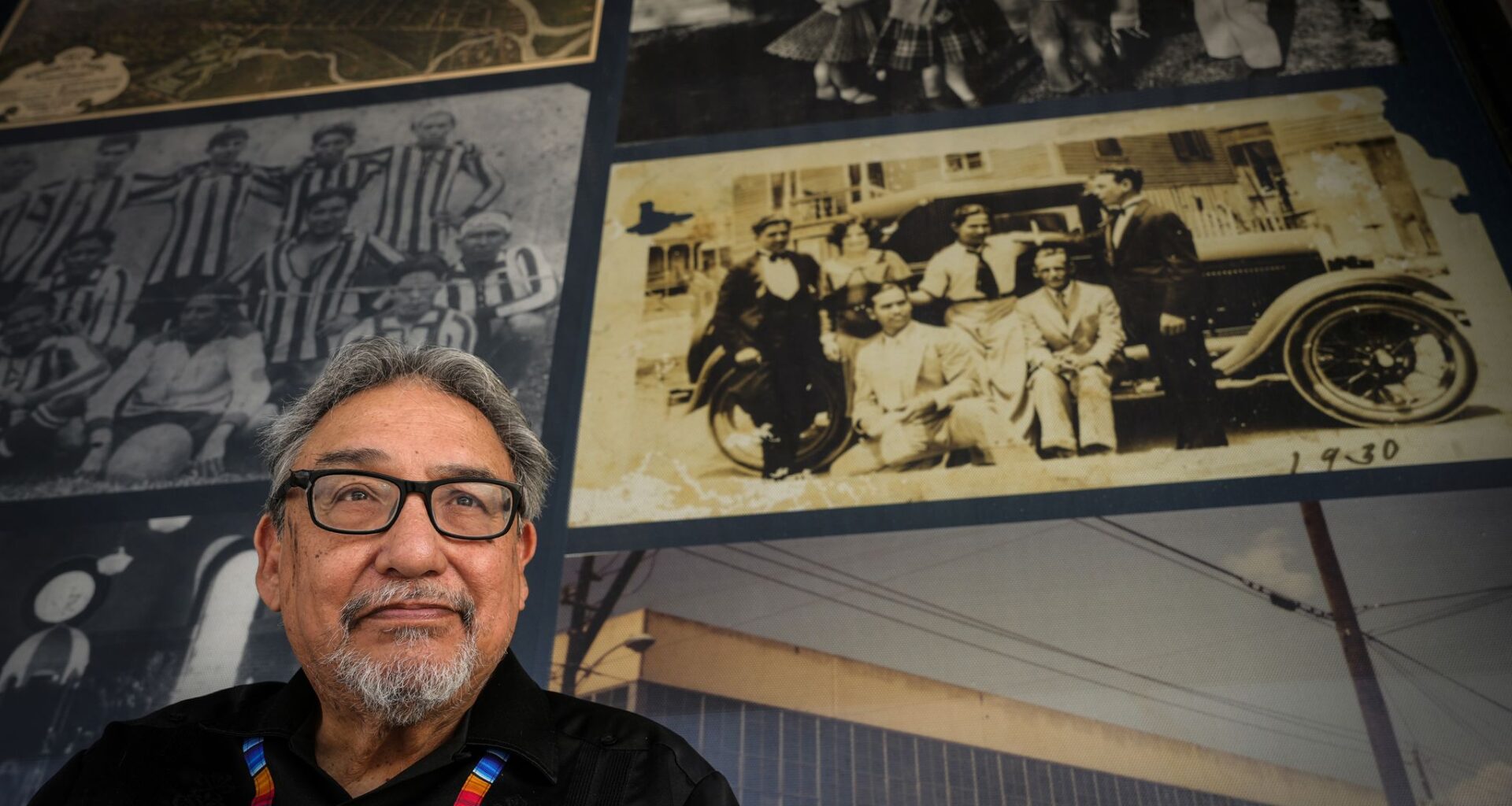
“Dallas became kind of the epicenter for conspiracy tourism,” said David Contreras, a JFK expert and former historian for the League of United Latin American Citizens. “The day of the assassination, that’s when things began to turn.”
Before Kennedy arrived, Dallas already carried a national reputation for political extremism. Critics dubbed it the “City of Hate,” a derisive label that local leaders have long sought to shake off.
But what happened that day changed far more than the city itself. It set in motion enduring shifts in how Americans protect their presidents, consume political news, view public institutions and question the honesty of elected leaders – and each other.
More than 60 years later, debate continues over whether Lee Harvey Oswald was the lone shooter. The web of speculation stretches far beyond Dealey Plaza.
The assassination, Oswald’s killing two days later and Kennedy’s funeral in Washington generated unprecedented hours of continuous television coverage. It foreshadowed a cycle of nonstop news that would come to define wars, disasters and political drama.
The questions raised in Dallas did not end in Dallas.
In the decades that followed, from the moon landing and the Vietnam War to Watergate, the Iran-Contra affair, the 9/11 “truther” movement and the Jan. 6, 2021, Capitol attack, official explanations of major events increasingly met with public suspicion.
Social media gave those impulses a powerful new outlet. Rumors that once spread through books, pamphlets and late-night radio could now reach millions instantly, amplifying claims ranging from election fraud theories to COVID-19 vaccine conspiracies.
The remedy for a nation that has lost its trust has yet to be found, Contreras said. For many, the suspicions that followed the Kennedy assassination never really faded. They simply found new controversies, new channels and new audiences.