
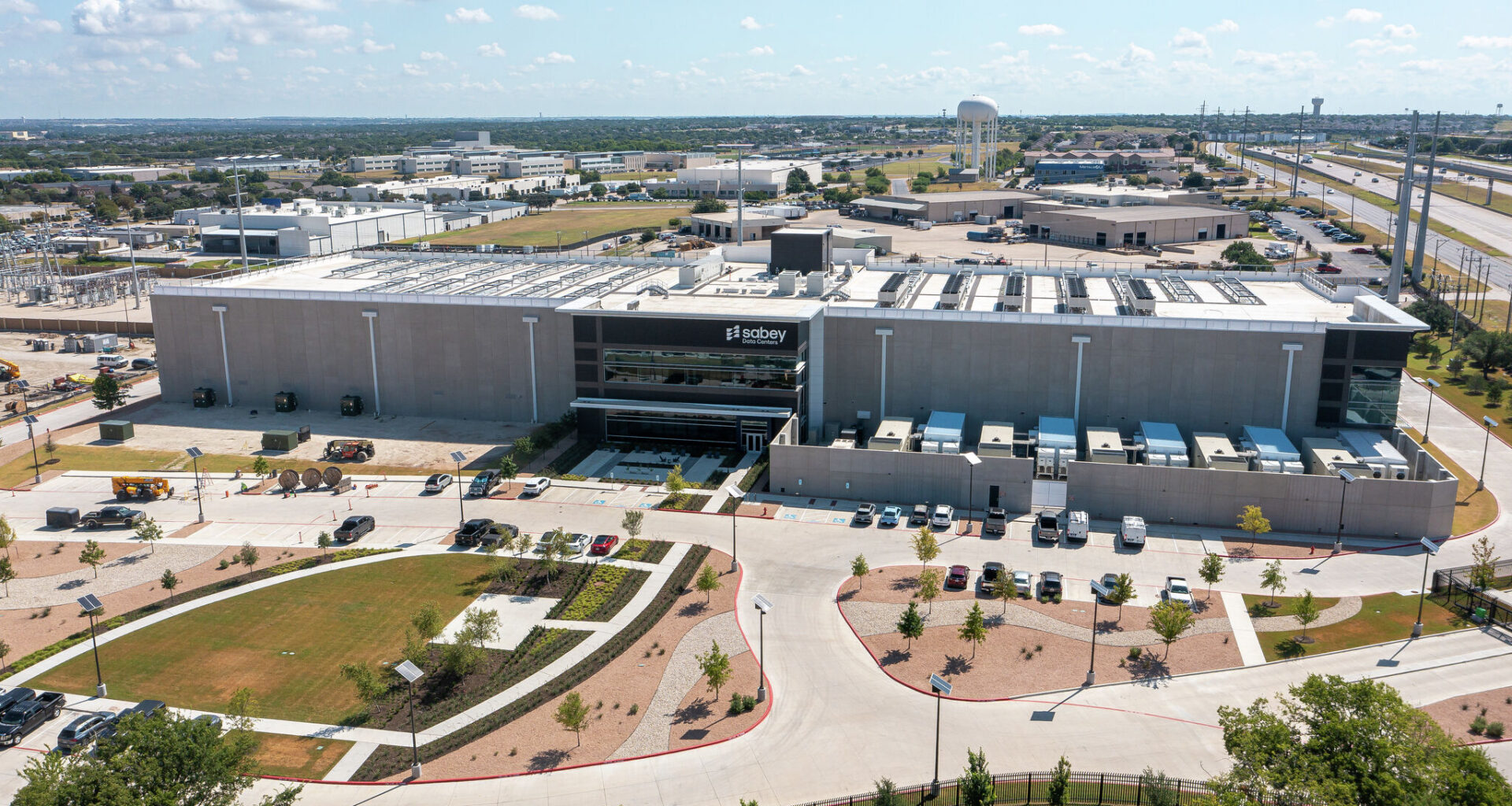
With the rise of data centers and various municipalities either pushing back or welcoming them with open arms, energy conservation in Texas and beyond has become a concern, especially for politicians during election season. According to a new study from the University of Houston, that growth will lead to serious financial repercussions.
The study found that more than $1 trillion in new midstream energy infrastructure investment will be needed by 2052 to meet the country’s energy demand properly. According to researchers, there is a strategy to meet energy requirements, with the majority of the focus on midstream infrastructure.
The demand will also create a need for jobs, according to the study. An estimated 12 to 24 million cumulative jobs will be required over 25 years to meet the demand, or roughly “414,000-828,000 jobs annually throughout the period.”
“Meeting energy demand is a critical challenge right now, and this report quantifies the necessary midstream infrastructure and corresponding development dollars needed to meet that demand,” said Hebe Shaw, executive director of the INGAA Foundation, who worked in collaboration with UH for the study. “Meeting the energy needs of North America will require sustained investment and development, which must begin now to ensure a safe, reliable and affordable energy system.”
With new investment comes a conversation about how the infrastructure will be generated. According to UH, a sustained investment in natural gas, oil, natural gas liquids, hydrogen and CO2 infrastructure will be required, along with a major investment in pipelines and midstream infrastructure.
Data centers and AI reliance have become significant talking points across the state, particularly regarding water consumption. The San Marcos city council voted to ban data center development as residents’ concerns continued to grow. The Central Texas city was the first in the state to prohibit data centers within city limits, but State Sen. Paul Bettencourt aims to challenge the ordinance, arguing that the city between Austin and San Antonio lacks legal authority to enact the ban.
“They should not use zoning to ban anything everywhere in the city of San Marcos because that’s not lawful under the state of Texas guidelines. A ban doesn’t work here, and this will get challenged,” Bettencourt said in a statement.