
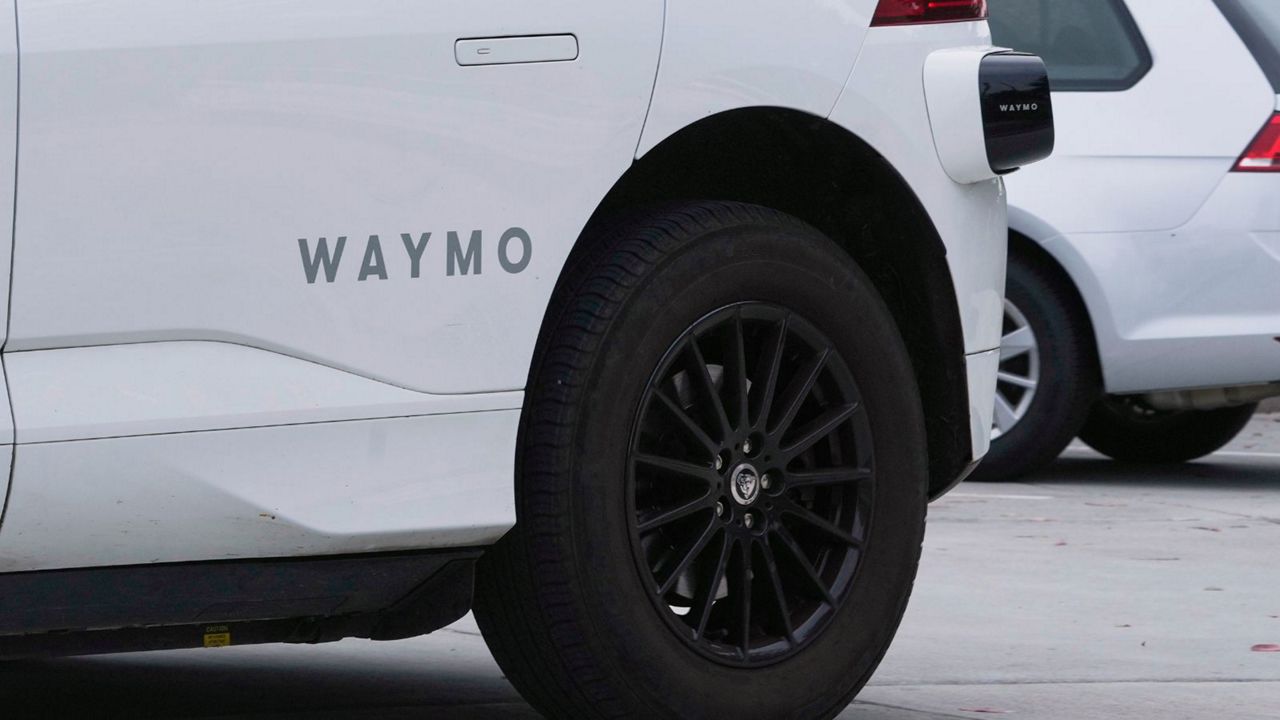
TEXAS — The self-driving car Waymo is not only cruising along the roads of Texas cities but also looking for damage on our roads — particularly potholes.
In April, Waymo and Waze announced a new pilot to provide cities with up-to-date data to help fill potholes. Waymo launched this program in Austin and four other cities.
The pilot supports the city’s efforts to maintain safer streets through proactive detection of roadway issues, leading to even faster repairs, according to Waymo. The self-driving car company said around 48 potholes have been identified in Austin so far through the program.
“They also have inertial movement devices on them, just like your phone does. So your phone knows when it’s upright or when it’s lying down. And those can detect the centripetal forces or the deceleration acceleration that comes with the jolts that you feel when you drive over a pothole,” said Kara Kockelman, professor of transportation engineering at the University of Texas at Austin.
Waymo told Spectrum News that the car’s perception and physical feedback systems already collect location data on potholes in the cities it drives through. Waymo is making the data available to cities and state departments of transportation where Waymo operates through the free-to-use Waze for Cities platform.
According to the City of Austin, the city takes the pothole data coming from Waymo and dispatches a crew to check on the location, determine if it is a pothole and identify a level of priority based on safety. Crews then address the potholes based on the level of priority. City staff track potholes reported by Waymo in an existing work-order system alongside potholes reported through 311 by residents.