
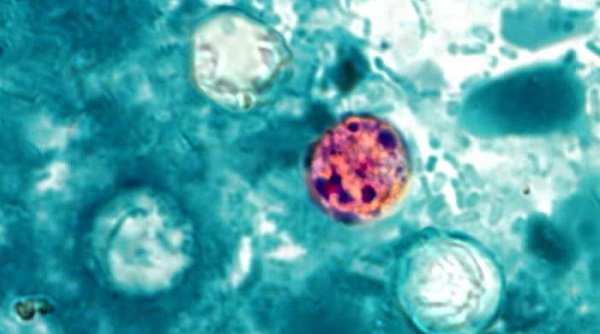
In a Wednesday statement to the Express-News, department officials said between May 1 and July 6, Texas has reported at least 48 cases of cyclosporiasis that match the U.S. Centers for Disease Control and Prevention’s outbreak case definition.
The majority of these cases are located in South Texas counties — such as Live Oak, San Patricio, Nueces, Webb, Hidalgo and Cameron — with with five hospitalizations reported and no deaths, according to state health officials. Near San Antonio, cyclosporiasis cases have been reported in Medina, Bexar and Comal counties.
Meanwhile, officials at University Health in San Antonio have identified at least 10 Bexar county-based cases of cryptosporidium, a separate intestinal parasite that infects both humans and animals.
University Health officials said the figure is based on laboratory-confirmed cases among patients seen through the system’s clinics and hospitals and does not include cases diagnosed by other healthcare providers.
University Health officials said 10 cases is not an unusual number for this time of year.
As Texans spend more time cooling off in pools during the summer, health officials warn that cryptosporidium can contaminate recreational water and is resistant to chlorine. Swallowing even a small amount of contaminated pool water can lead to infection.
Although cyclospora and cryptosporidium are different parasites, both spread through food or water contaminated with infected feces and can cause diarrheal illness, according to the Centers for Disease Control and Prevention. While the infections are typically not life-threatening, infants, older adults and people with weakened immune systems face a greater risk of severe illness and may require hospitalization.
To reduce the risk of foodborne illness, health experts recommend washing your hands before and after handling food, rinsing fruits and vegetables before eating or preparing them, and cleaning cooking utensils before and after use.