
Cyclospora is an intestinal infection that can cause explosive diarrhea. Symptoms could last weeks.
CORPUS CHRISTI, Texas — Nueces County is reporting more confirmed Cyclospora cases than any other county in Texas this year, according to the Texas Department of State Health Services.
State health officials told 3NEWS that, as of July 3, Nueces County had 14 confirmed cases. Texas has 15 counties reporting at least one confirmed case of Cyclospora in 2026, but the state does not release county-level data for jurisdictions with fewer than 10 cases to protect patient confidentiality.

This story continues below.
The Corpus Christi-Nueces County Public Health District says the increase is unusual.
“This year thus far we’ve had 18 cases of Cyclosporiasis here in our community. For the same timeframe last year, we had one case, and for the entire year last year, we had four cases. So, this is unusual even for the Cyclospora season.”
Dr. Anita Kurian, the City-County Public Health Director, said Cyclospora is an intestinal illness caused by a parasite.
“Folks can get infected with Cyclospora by eating food or drinking water that’s contaminated with feces. It’s important to know that this does not spread from person to person. You get it by consuming contaminated food or water.”
Kurian said many people who become infected may not have symptoms, but those who do often experience severe gastrointestinal illness.
“The most common symptom is watery diarrhea… frequent watery diarrhea that can be explosive at times. Some of the other symptoms are loss of appetite, bloating, flatulence, abdominal cramps, low-grade fever, just generalized weakness because of dehydration.”
She said the illness can linger if left untreated.
“It can last anywhere from a few weeks to a few months if untreated. The good news is there are antibiotics that can treat it.”
While Cyclospora season runs from May through August each year, Kurian said investigators are still trying to determine why case numbers are higher than expected.
“We are taking this seriously. We’re working closely with our state and federal partners, but thus far no single common source of food has been identified.”
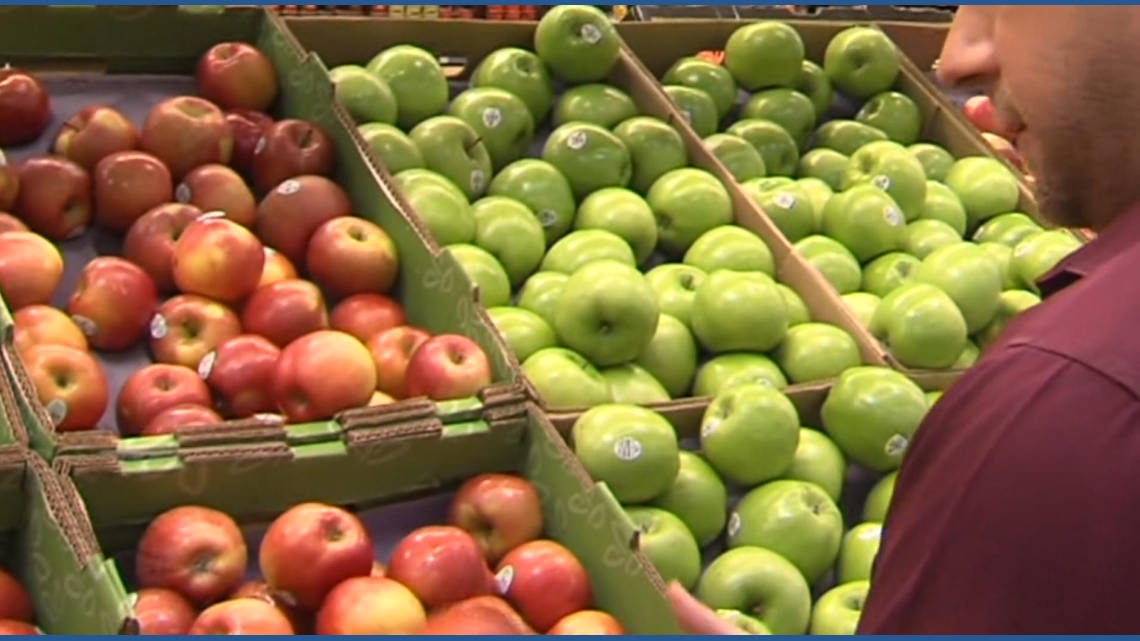
Cyclospora has historically been linked to fresh produce. Because of that, health officials recommend thoroughly washing fruits and vegetables before eating them.
At the Coastal Bend Food Bank, nutritionist Alejandra Dodge said food safety begins before produce ever reaches the table.
“The first thing we do is always wash our hands with hot water for 20 seconds, and we also want to clean our surfaces. We want to make sure we’re washing our produce or we’re handling our produce on a clean surface.”
Dodge also cautioned against using household cleaners on fruits and vegetables.
“Never use soaps, never use chemicals to rinse your berries because you’re just gonna ingest that as well. Water is pretty much all you need.”
Kurian encourages anyone experiencing symptoms consistent with Cyclospora to seek medical care.
“You need to get your stool tested. Your provider should specifically make that request to test your stool for Cyclospora because it is not typically included in your stool exam panel.”