
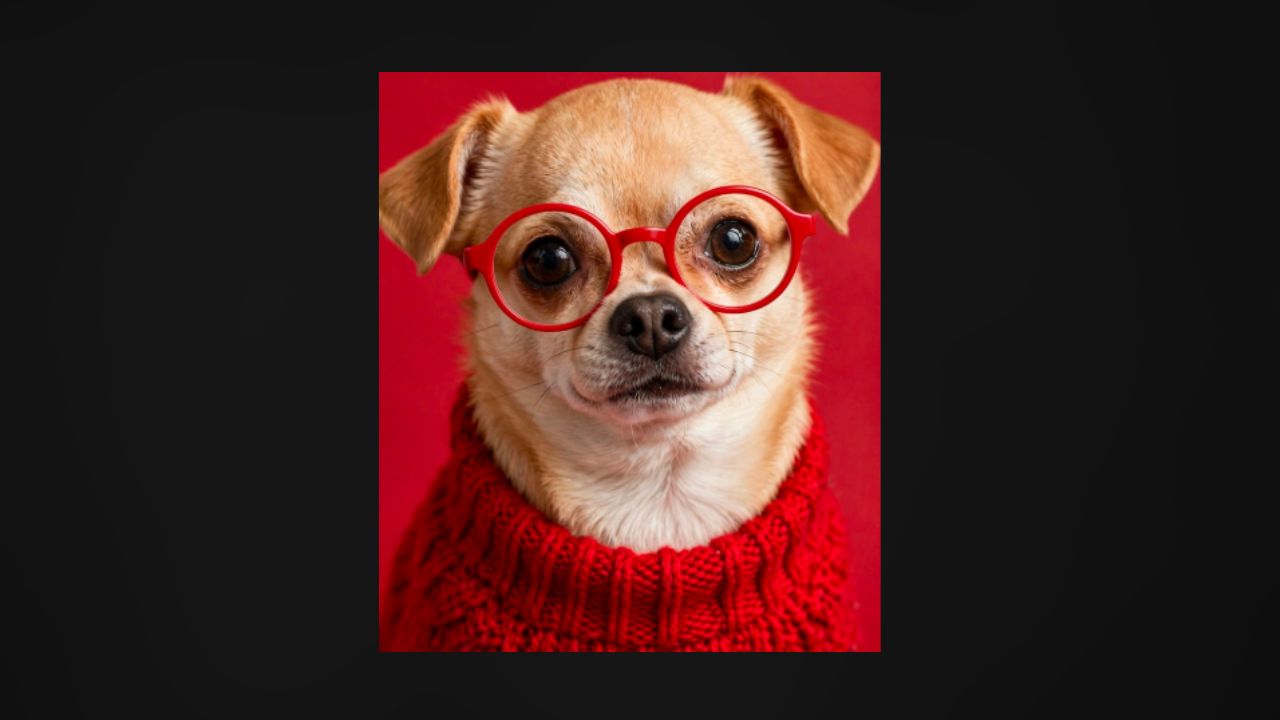
Likeness of dog wearing glasses and turtleneck sweater generated by Muse Image | Image by Meta/website; Black background | Image by Canva
Meta’s new AI image generator is drawing criticism from privacy advocates after the company enabled the feature by default for public Instagram accounts, allowing users to generate AI images based on photos from public profiles unless account holders opt out.
The feature, called Muse Image, launched this week in the United States as part of Meta’s expanded artificial intelligence offerings. It allows users to tag public Instagram accounts in prompts to create AI-generated images using photos from those profiles.
Privacy experts argue the rollout places the burden on users to discover and disable a setting they may not know exists.
Public Accounts Automatically Included
According to Meta, Muse Image is designed to personalize AI-generated images by incorporating public Instagram content.
Users can create images by referencing public profiles, combining photos of people with other elements such as clothing, objects, locations, and artistic styles.
Meta said private accounts and accounts belonging to users younger than 18 are automatically excluded from the feature. However, adult public accounts are enrolled by default unless users manually change their settings.
Meta also said Instagram users will not receive notifications if someone uses their public content to generate AI images.
Privacy Advocates Push Back
Privacy organizations and cybersecurity experts say the default opt-in approach is problematic because many users may not realize their images can be used by others.
Thorin Klosowski, a senior security and privacy activist with the Electronic Frontier Foundation, said the setting should require users to actively opt in rather than forcing them to opt out.
“This is the sort of setting that should absolutely be opt-in for Instagram users,” Klosowski said, The Guardian reported. “It’s a new use of the photos they’ve been posting publicly for years, and certainly wasn’t on anyone’s mind when they signed up for Instagram years ago.”
Cybersecurity company Malwarebytes called making an account private the most comprehensive way to prevent strangers from using public photos as source material, though it acknowledged that many creators and businesses rely on public profiles.
Privacy-focused company Proton also criticized the rollout, saying the data-sharing setting is enabled by default and buried within Instagram’s settings menu, making it difficult for users to find.
The company also warned that the on-and-off toggle states appear visually similar, increasing the risk that users could mistakenly leave the feature enabled.
How to Opt Out
Users who want to keep a public Instagram account but disable AI image generation can change their settings by:
Opening the Instagram app and selecting their profile.
Tapping the three-line menu in the upper-right corner.
Scrolling to Sharing and reuse.
Finding Allow people to use your content on Instagram and with AI features on Meta.
Turning off the toggles for both Posts and Reels.
Meta said the setting is still rolling out, so it may not yet appear for every user, Wired reported.
Switching an account from public to private also prevents future use of photos in Muse Image. However, Meta says opting out does not remove AI-generated images that have already been created using a user’s public content.
Questions Remain About Children in Photos
While Meta says accounts belonging to users under 18 cannot be referenced through Muse Image, privacy advocates say the company has not clarified whether children appearing in photos posted by adults with public accounts could still be included in AI-generated images.
Critics argue that uncertainty raises additional concerns for parents who publicly share family photos.
Meta Defends Safety Measures
Meta said Muse Image was developed with “strong controls and safety guardrails from day one.”
The company said users can report AI-generated images they believe violate its policies by pressing and holding the image and selecting the “thumbs down” reporting option.
Muse Image is currently available through the Meta AI app, Instagram Stories in the United States, and WhatsApp in select countries. Meta has also announced plans to expand the technology to Facebook and introduce similar AI-powered video capabilities in the future.