
The change would remove a federal requirement for public feedback and leave it to states to decide whether to include members of the community before officials approve or deny facilities’ air pollution permits that fall below “major emissions” thresholds.
This includes air pollution permits linked to a number of AI data centers in Texas, which have used minor emissions applications to permit diesel generators and gas turbines to power their facilities.
The EPA has emphasized that it is not proposing to weaken environmental protections, but rather to give states more leeway to define their own public-input processes. Texas environmental groups have sounded the alarm, saying the change would likely undermine the few avenues everyday Texans have to influence air pollution levels.
The nonprofit Public Citizen said the change would allow the Texas Commission on Environmental Quality to eliminate its public notice and participation processes for smaller-scale polluters. The TCEQ has not responded to repeated requests for comment on this concern.
Currently, communities are required to be notified with enough time to submit comments or request hearings that can get their input on the record for the state’s consideration before new permits are granted. Advocates expect that to change if the new federal rule goes through.
“The TCEQ consistently demonstrates its inability to consider the needs of communities across Texas and works to limit public transparency and opportunities for meaningful public input,” said Kathryn Guerra, campaign director at Public Citizen and former regulator at both TCEQ and EPA.
The EPA defended the proposal.
“This EPA has also proven that we can follow the law and streamline processes to apply common sense. In doing so, we are cutting unnecessary and burdensome red tape,” Environmental Protection Agency Administrator Lee Zeldin said in a statement last week.
The federal change does not preclude states from keeping or strengthening their public input processes on their own. But critics note that the state Sunset Advisory Commission faulted the TCEQ in 2023 for breaking its public participation promises.
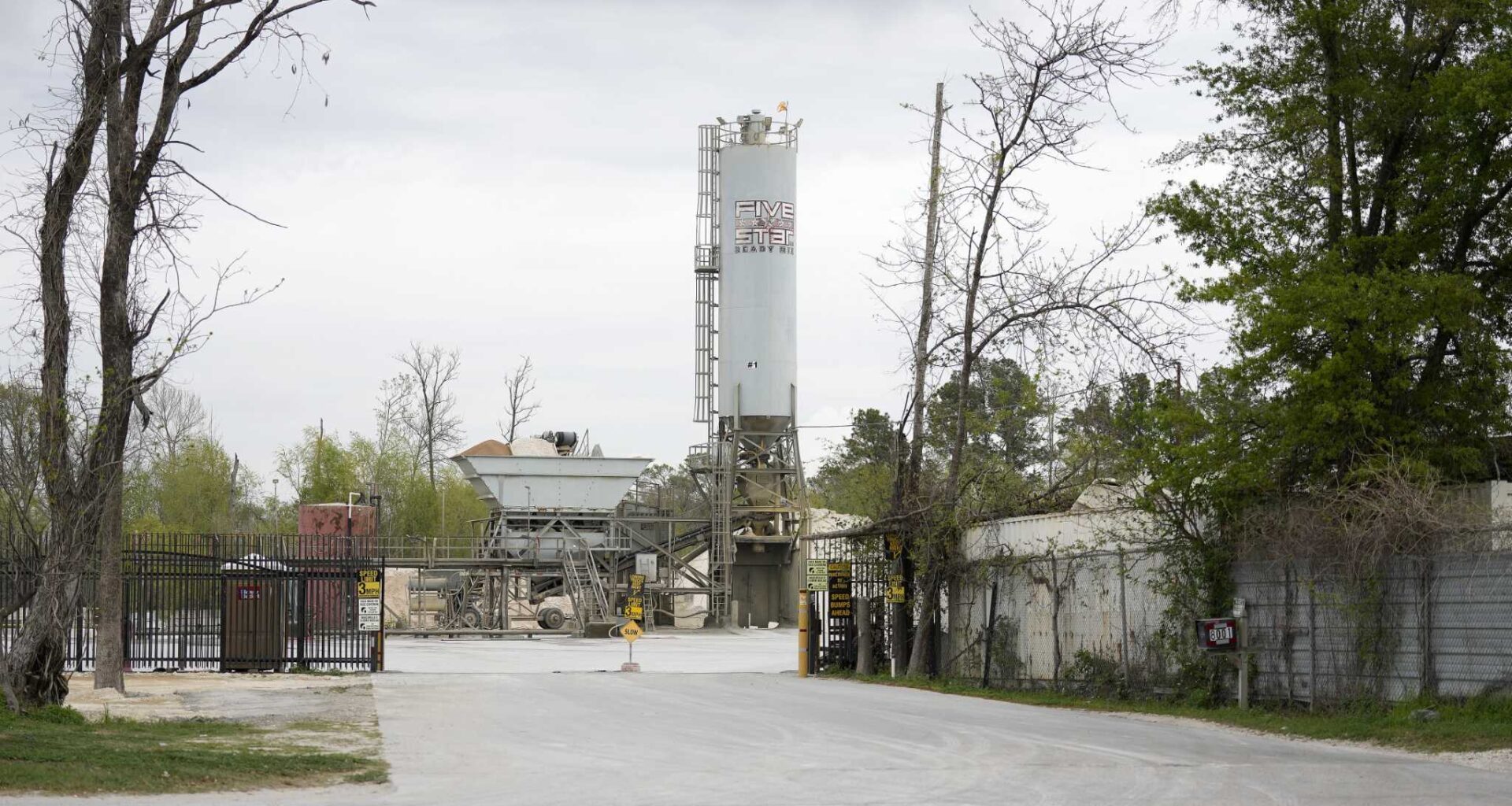
“This proposal would take away our right to tell TCEQ and the EPA exactly why we are concerned about pollution sources like concrete batch plants, data centers, and their energy generators that are drinking our water, invading our neighborhoods, and polluting our air,” said Cyrus Reed, the Texas legislative and conservation director of the nonprofit Sierra Club.
“Removing the public from the EPA’s current permitting process would be especially detrimental to Texans who rely on federal agencies to do what the Texas government won’t,” he said.
The EPA will hold a virtual hearing on the proposed rule change on July 22, and accept public comments until August 21.