
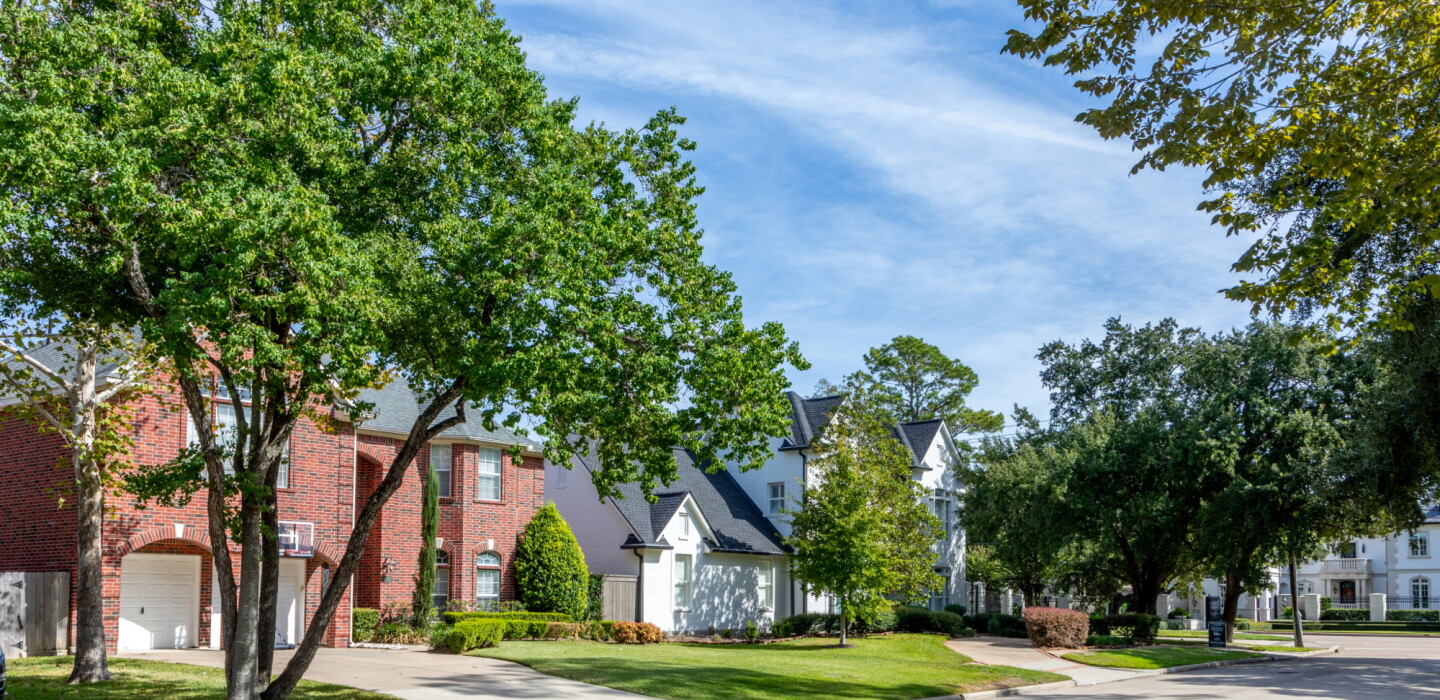
Houston is reputed to be an affordable city. But that reputation is overblown and based on some outdated assumptions, says Steve Sherman, an associate director at Rice University’s Kinder Institute for Urban Research.
The Kinder Institute recently published its State of Housing report for Houston and Harris County, which it has been publishing annually since 2020. The first reports began to undercut the widely held view that the fourth-biggest city in the U.S. was, unlike other big cities on the coasts, a relatively affordable place to live. The latest research shows some indicators of affordability getting worse.
Homeownership is on the decline, particularly among Black households. The city of Houston saw a nearly 16 percent reduction in Black homeownership between 2023 and 2024. That means there were 11,000 fewer Black owner-occupied homes in the city over the course of that year, the biggest drop on record. The drop could result from a number of factors, Sherman says: Homeowners moving out of the area or into rental housing, homes being foreclosed, owners passing away, and younger people choosing to rent instead of buy. But the drop reflects the broader trend of an increasingly renter-occupied city.
Most of the city’s residents are now renters. Rent has risen faster than inflation, increasing an average of $313 per month since 2019, and a majority of renters are cost-burdened, paying more than 30 percent of their income toward rent. In the city of Houston, median home prices are drastically higher than what a person earning a median income could afford to pay. And despite home sale prices leveling off in the last few years, home insurance costs are quickly growing, rising by 13 percent between 2023 and 2024.
“Housing prices have really caught up with the stronger markets,” Sherman says. “Obviously a median new home price is going to be a lot less here than in New York City, but when you look at the median metrics of affordability and the affordability gap, we’re starting to look not that different.”
Median gross rent, which includes utility costs, is just over $1,400 a month in Houston, according to the report. The median asking rent in New York is much higher, at about $3,600 a month, but the share of cost-burdened renters is about the same in both cities — in fact it’s a bit higher in Houston. The median home sale price in Houston was $345,000 in 2024, up from $286,000 in 2020. That’s more than $160,000 higher than what a Houston household earning median income (about $64,000) could afford to pay without becoming cost burdened. Still, a smaller share of homeowners than renters are cost-burdened.
Harris County Commissioner Rodney Ellis, who has promoted efforts to address racial gaps in homeownership, says the decline in Black homeownership is “not just a housing problem; it is a generational wealth problem.” He says the county should support local housing trust funds, land trusts, and “innovative financing strategies” to help Black families become homeowners.
One group working to promote affordable homeownership is the Houston Community Land Trust. The organization owns 201 properties and sells the homes on the land to individual owners who earn less than 80 percent of the area median income. Those owners in turn agree to sell the properties to other income-restricted residents at a predetermined appreciation rate once they move. The model helps keep property taxes down and other costs, like maintenance, low. The group lost public funding in recent years. Other efforts to promote more housing construction only address one part of the affordability problem, says Ashley Allen, the group’s executive director.
“There’s too much emphasis on just building on homes, and closing on homes, but not necessarily on keeping people in homes long-term,” says Allen, who serves on an advisory committee for the Kinder Institute’s State of Housing research.
A broader issue is flagging income growth, Sherman says. Even with new housing supply coming online, many people in Houston just don’t earn enough money to afford it. Across all households, inflation-adjusted income was flat between 2023 and 2024. But renters’ average earnings actually shrank that year to $48,086 — a decrease of about 3.8 percent in nominal terms and 6.5 percent adjusted for inflation. In recent years, “rents have remained pretty stable but median household income for renters actually decreased, so we might be missing the forest for the trees,” he says.
“The story that Houston tells about itself, that we’re an affordable city where housing is attainable and you can live out the American dream, is starting to not really be borne out in the numbers,” Sherman says.