
SAN ANTONIO – When heavy rain starts falling across South Central Texas, you may hear me talk about street flooding and flash flooding. While they can look similar, they are very different—and knowing the difference could help keep you safe.
Street Flooding
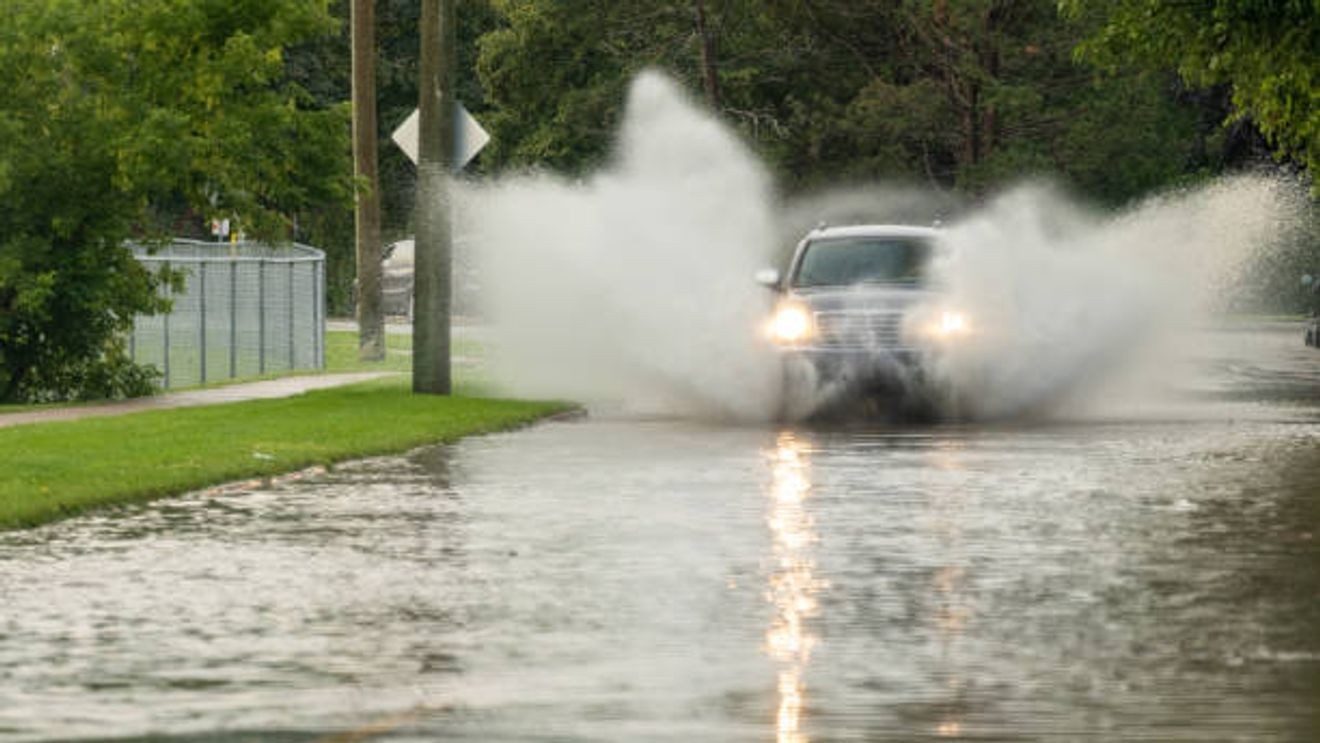
Street flooding happens when rain falls faster than storm drains can handle it. Water begins collecting on roads, intersections, parking lots and neighborhoods with poor drainage.
This type of flooding is usually localized and often improves once the rain slows down. Even so, it can make driving hazardous by hiding potholes, reducing visibility and causing vehicles to hydroplane.
Flash Flooding
Flash flooding is much more dangerous.
It develops rapidly—sometimes within minutes—when intense rainfall overwhelms creeks, streams, rivers or drainage systems. Water rises quickly and can become a fast-moving current capable of sweeping away vehicles, damaging homes and cutting off roadways.
Unlike street flooding, flash flooding often continues even after the rain has stopped because water from upstream continues flowing downstream.
Why South Central Texas Is Especially Vulnerable
South Central Texas has several factors that increase flash flood risk:
Thin, rocky soils in the Hill Country don’t absorb water quickly.Numerous creeks, rivers and low-water crossings can rise rapidly.Urban areas like San Antonio have large expanses of pavement that prevent rainfall from soaking into the ground.Repeated thunderstorms moving over the same location—a process meteorologists call “training”—can produce several inches of rain in just a few hours.The Danger Isn’t Always Obvious
Floodwater can be deceptive.
Roads may still be intact—or they may have been washed away beneath the water. It’s impossible to tell by looking.
Moving water also exerts tremendous force. As little as 6 inches of fast-moving water can knock an adult off their feet, while 12 inches of rushing water can carry away many vehicles. Larger vehicles, including SUVs and pickups, are not immune when water is moving swiftly.
How to Stay Safe
If flooding develops:
Never drive around barricades or through flooded roadways.Avoid walking through moving water.Keep children away from creeks, drainage channels and floodwaters.Have multiple ways to receive weather warnings, especially overnight.If you live in a flood-prone area, be prepared to move to higher ground if a Flash Flood Warning is issued.The Bottom Line
Not every flooded street is experiencing a flash flood—but every flash flood can begin with a flooded street.
If you encounter water covering the roadway, assume it’s deeper and moving faster than it appears.
The safest decision is also the simplest:
Turn Around. Don’t Drown.
As multiple rounds of heavy rain move across South Central Texas this week, staying weather-aware and making smart travel decisions could protect you and your family.