
Outside-city water customers argue the city’s rates are too high, while Corpus Christi says the revenue is needed to maintain aging infrastructure and secure future.
CORPUS CHRISTI, Texas — A state hearing is underway on Monday to determine whether Corpus Christi’s water rates for customers outside the city limits are fair, a case that could have major financial implications for some of the Coastal Bend’s largest industrial water users.
The hearing before the Texas Public Utility Commission centers on an appeal filed by outside-city ratepayers, including large-volume industrial customers represented by the Alliance for Water Customer Choice (AWCC) and other petitioners. The case challenges water rates approved by the City of Corpus Christi.

This story continues below.
Administrative Law Judge Cassandra Quinn is presiding over the hearing, with attorneys, engineers and water experts expected to testify over several days.
Why the case matters
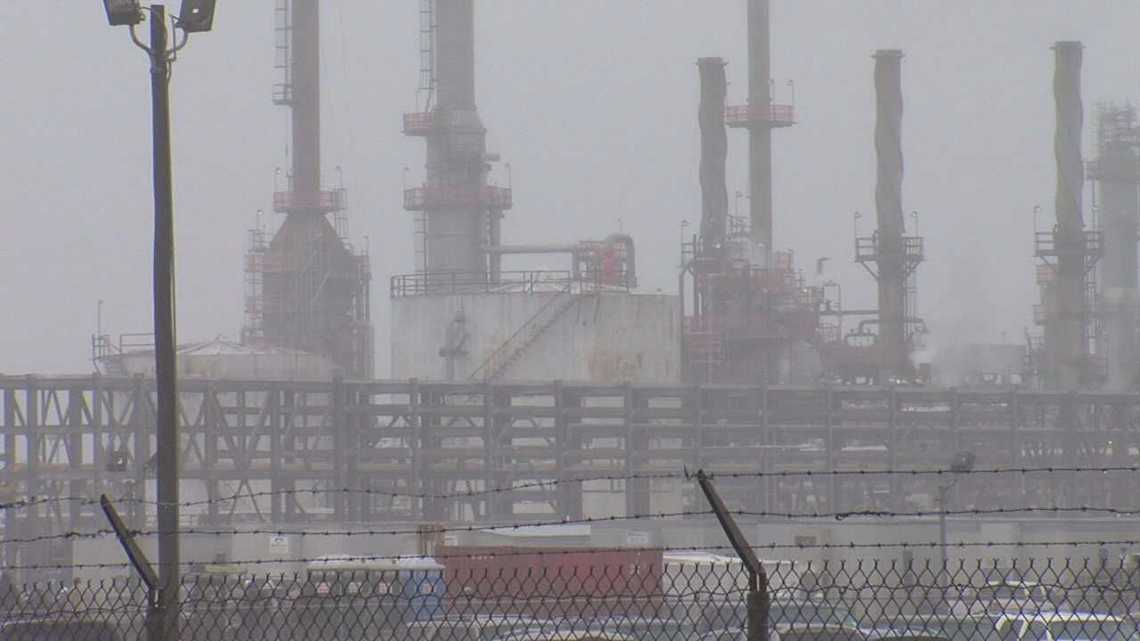
The customers challenging the rates include some of the region’s largest water users, such as refineries and industrial facilities that rely on millions of gallons of water each day for operations.
They argue the rates are higher than necessary and contend some projects included in the city’s long-term planning should not be reflected in the rates they pay.
Corpus Christi officials argue the rates are necessary to maintain the city’s aging water system and pay for improvements needed to provide reliable water service for both residents and businesses.
Aging infrastructure at the center of testimony
During Monday’s hearing, city witnesses pointed to several infrastructure projects they say justify continued investment in the water system.
Among the exhibits presented were plans to:
Replace an aging water transmission line along Up River Road that dates to 1930 and has experienced leaks and failures.Protect and rehabilitate large-diameter transmission lines across the city to extend their service life.Extend a major transmission line in Flour Bluff to improve reliability and provide backup service if another line fails.
City engineers testified these projects are designed to improve reliability, reduce water main failures and protect drinking water service as Corpus Christi continues to grow.
Industrial water use also discussed
Several exhibits focused on the industrial corridor along Up River Road, where refineries and other large industries consume significant amounts of water which include Valero, Citgo, and LyondellBasell.
Engineering reports introduced during the hearing describe those facilities as some of the city’s largest water customers and note that water in that section of the system moves quickly because of the area’s high demand.
Some of the exhibits referenced hydraulic modeling performed after the city’s 2016 water contamination event, which engineers used to analyze how water moved through the industrial corridor.
The historical documents were presented as part of testimony discussing how the transmission system serves major industrial customers and why those pipelines are considered critical to the overall water network.
What happens next?
The hearing is expected to continue with testimony from city officials, engineers, consultants and attorneys representing both the city and the petitioners.
After the hearing concludes, the administrative law judge will prepare a proposal for decision. The Texas Public Utility Commission will then make the final ruling on whether Corpus Christi’s outside-city water rates should remain in place or be modified.
Stay with 3NEWS as we continue to follow the hearing and provide updates as new information becomes available.