
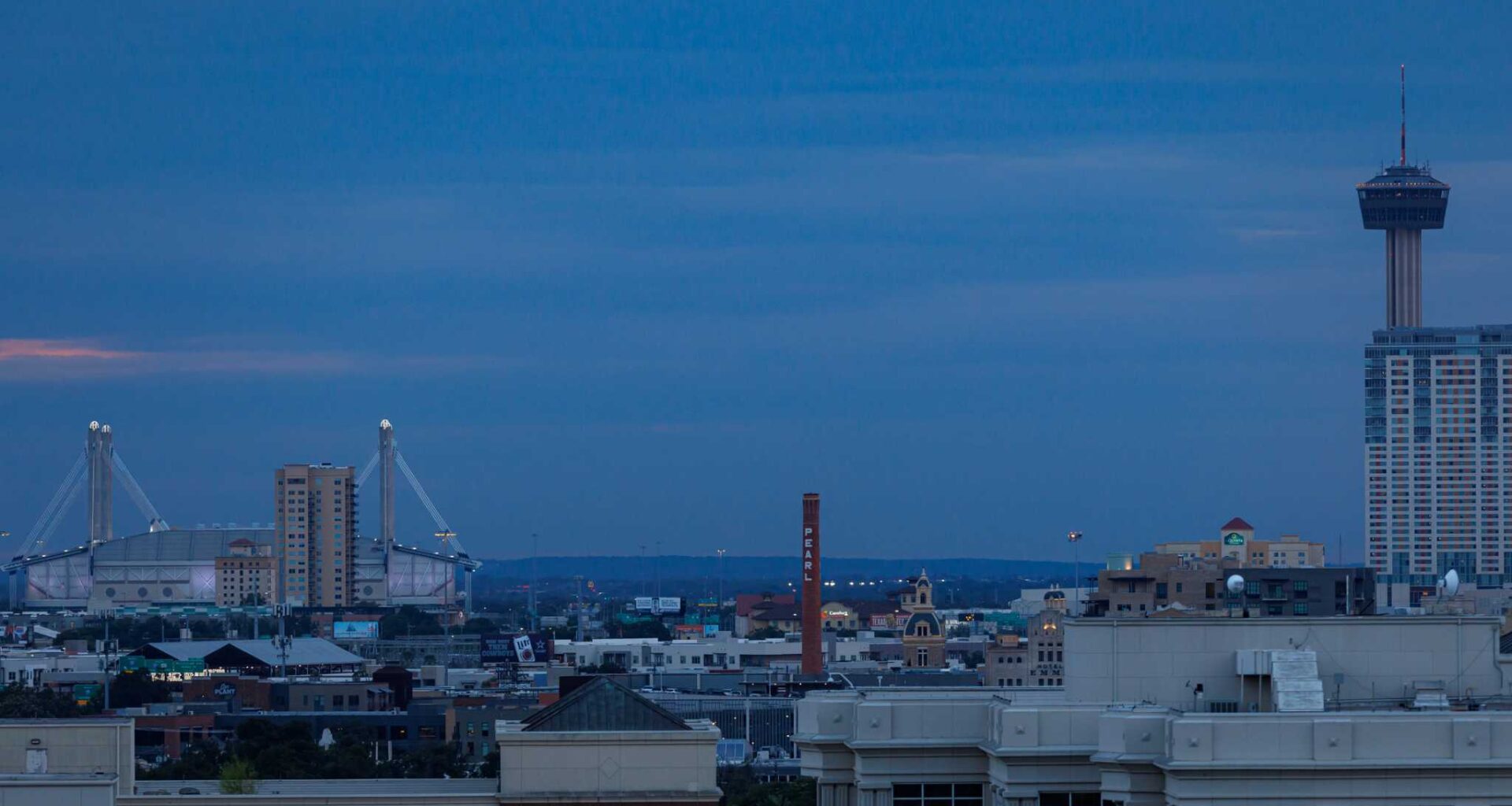
Councilwoman Teri Castillo is bringing together a group of cultural leaders to talk about how they can influence the development of the city’s planned sports and entertainment district downtown.
The centerpiece of the district, known as Project Marvel, will be a $1.3 billion arena for the Spurs at Hemisfair. It will also include a renovated Alamodome and expanded Convention Center.
Castillo will host a roundtable with a dozen local artists and arts organizations at 6 p.m. Tuesday to discuss how the city “can support local artists, preserve San Antonio’s unique history and character, and create meaningful opportunities for the creative community,” states a Monday news release from the West Side councilwoman’s office.
“Participants will share their vision for integrating arts and culture into one of the city’s largest development projects, while discussing the role artists play in shaping an equitable and inclusive downtown.”
Participants will include San Antonio poet laureate Eddie Vega; George and Catherine Cisneros, co-executive directors of Urban 15, the dance and music group; and Alexandra van de Kamp, executive director of Gemini Ink, a nonprofit that promotes fiction, nonfiction and poetry writing.
Attendees will meet at Contemporary at Blue Star at 116 Blue Star.
City and Spurs Sports & Entertainment officials are currently hammering out details of a non-binding term sheet.
San Antonio will contribute up to $489 million to the new arena. The county will put in as much as $311million, and the Spurs will contribute the final $500 million.
The city plans to finalize the term sheet by the end of the year, including agreements on financing, construction timelines and the Spurs’ arena lease agreement.
Three City Council members — Castillo, Marina Alderete Gavito and Sukh Kaur — are also demanding a meeting to determine how to spend $75 million from the Spurs. In the term sheet for financing, Spurs owners said they would give San Antonio $2.5 million each year for 30 years for “community benefits.”
The three said in a recent memo that they want residents, business owners, artists and labor union representatives to have a chance to weigh in on how the money should be allocated.