
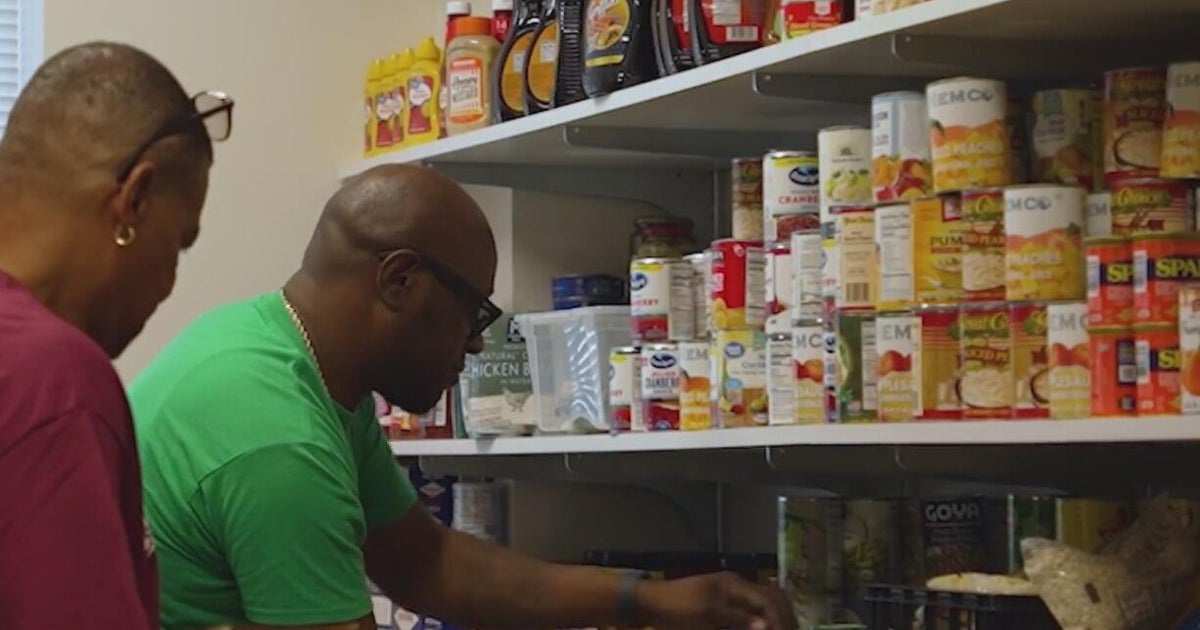
The pantry at Interfaith Family Services is stocked, and volunteers and staff are packing bags of food to make sure families don’t go hungry.
But Kimberly Williams is worried.
“When you have to choose between feeding your kids or paying utilities or paying rent, the most immediate need, which is food, usually comes first,” said Williams.
Williams spends most of her time helping single moms who are struggling financially, but she knows that if this government shutdown continues, those moms can’t buy groceries — they’ll have to make tough choices.
“What that leads to is either getting behind on your rent, getting late payments, sometimes getting utilities shut off,” said Williams.
So now she’s shifting her focus to making sure the moms she works with have food to feed their kids.
Moms like Melanie Negron.
“My first job, I go to the warehouse at 4 a.m. I deliver packages from 4 a.m. to 11 a.m., 12 p.m. I also do Uber in the afternoon, three to four times a week for at least four hours,” said Negron.
If you’re doing the math, the single mom of three is working around 70 hours a week with no days off, and she still needs SNAP benefits to put food on the table.
“For the most part, I can get almost to the end. I might have to pay out of my own pocket for like the last week, but those three weeks out of the month are detrimental,” said Negron.
But the cuts this month have her worried.
“I’m kind of scrambling to find ways to make sure we don’t run out of food,” she said, “I’ll probably just pick more hours doing Uber to make sure I can get by, to make sure I can pay it all. Even so, I already work so many hours, I have three kids, I got to get it done. I’m not going to let my kids go hungry.”