
AUSTIN, Texas (KEYE) — The technology first featured in CBS Austin’s “Tech This Out” has now been used in combat.
The U.S. military says three autonomous drone boats built by Austin-based Saronic were used during strikes on an Iranian naval base, marking the first known combat use of the company’s unmanned surface vessels.
Saronic’s Corsair Makes History
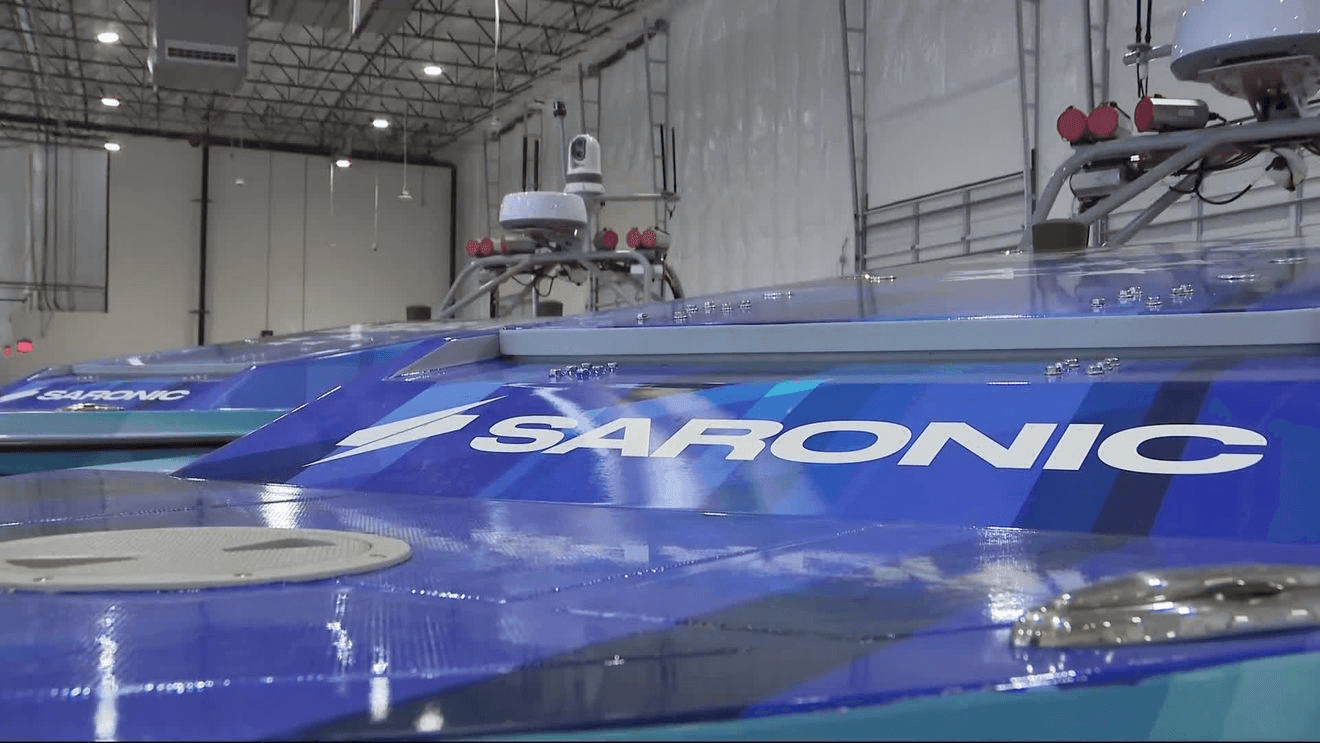
Just days before the operation, “Tech This Out” was inside Saronic’s Austin headquarters getting an up-close look at the company’s flagship autonomous vessel—the Corsair.
According to U.S. Central Command (CENTCOM), three Corsair unmanned surface vessels participated in strikes on Iran’s Bandar Abbas Naval Base on Sunday. The operation targeted a submarine and a ship maintenance facility, degrading Iran’s ability to threaten commercial shipping through the strategically important Strait of Hormuz.
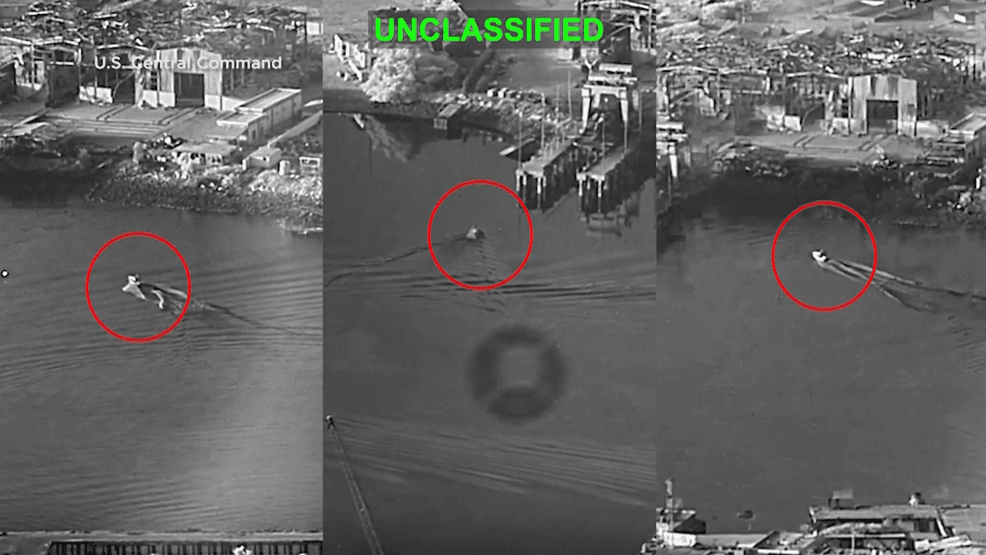
A three-panel image from video released by U.S. Central Command shows a Saronic Corsair unmanned surface vessel, circled in red, maneuvering near a damaged pier. (Photo: U.S. Central Command)
Built for Long-Range Missions
Saronic Co-Founder and Chief Technology Officer Vib Altekar says the Corsair was designed to handle a wide range of military missions.
“It’s one of our flagship products,” Altekar said. “It’s a boat that’s about 24 feet, and it can carry 1,000 pounds for over 1,000 miles. It’s equipped to be a modular autonomous vessel, meaning all of the computing and software runs onboard. It can receive a mission and execute it autonomously.”
The vessel is capable of speeds of roughly 35 knots while operating without a crew onboard.
ALSO| Texas Space Company Beats SpaceX to Moon: Firefly Aerospace
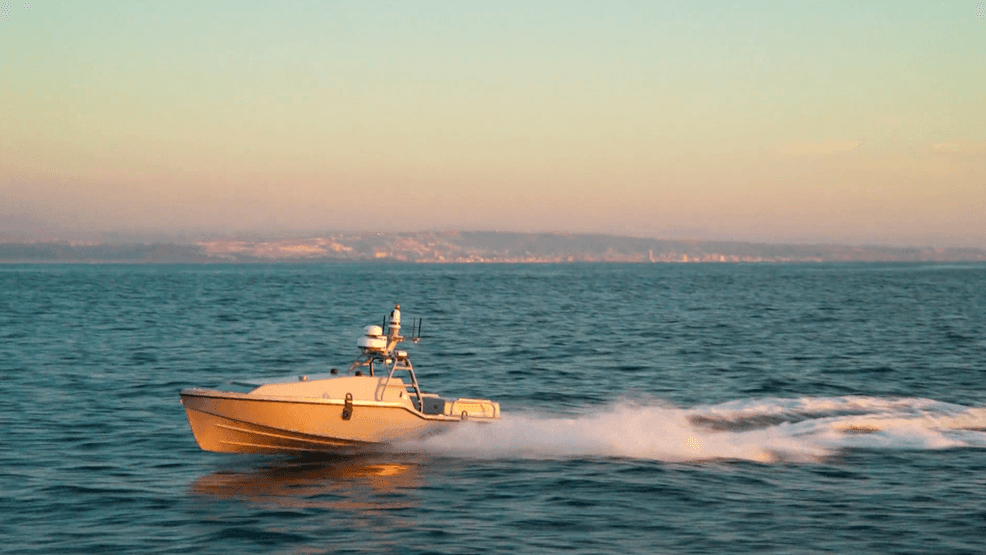
A Saronic Corsair autonomous surface vessel cruises on the water at dusk. The 24-foot unmanned boat, built in Austin, Texas, can carry 1,000 pounds over 1,000 miles and operate without a crew onboard. (Photo: Saronic)
Already Proven in a Rescue Mission
The combat operation wasn’t the Corsair’s first real-world deployment.
Last month, CENTCOM says a Corsair helped rescue two U.S. Army Apache helicopter crew members after their aircraft crashed off the coast of Oman.
For Altekar, that mission demonstrated exactly why Saronic exists.
“Our mission is to redefine maritime superiority, support the Navy, support the warfighter,” Altekar said. “Ultimately, we’re just happy that two American pilots are back home.”
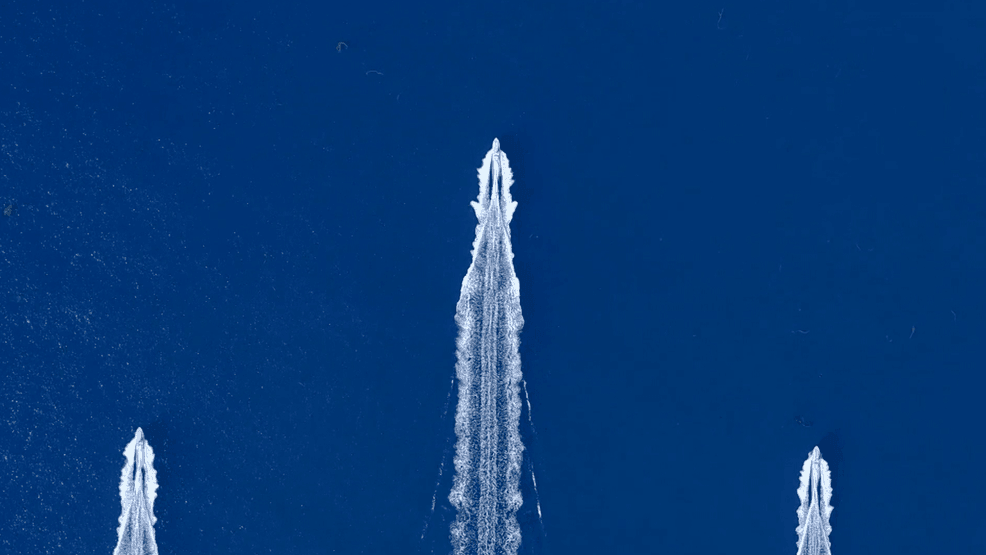
An aerial view shows the wakes of three Saronic Corsair unmanned surface vessels underway. Three of the autonomous boats took part in U.S. strikes on an Iranian naval base, CENTCOM said. (Photo: Saronic)
The Future of Naval Warfare
Altekar believes autonomous vessels will increasingly work alongside traditional Navy ships rather than replace them.
“You’re always going to need the manned destroyers and the skilled sailors we have today,” Altekar said. “But complementing them with a large fleet of unmanned systems is going to keep sailors safer while increasing the presence and power projection of the United States.”
Why It Matters
From surveillance and logistics to rescue operations and now combat, autonomous surface vessels are rapidly becoming part of modern naval warfare.
For Austin-based Saronic, the combat deployment represents a major milestone—not only for the company, but for the growing defense technology industry in Central Texas.