
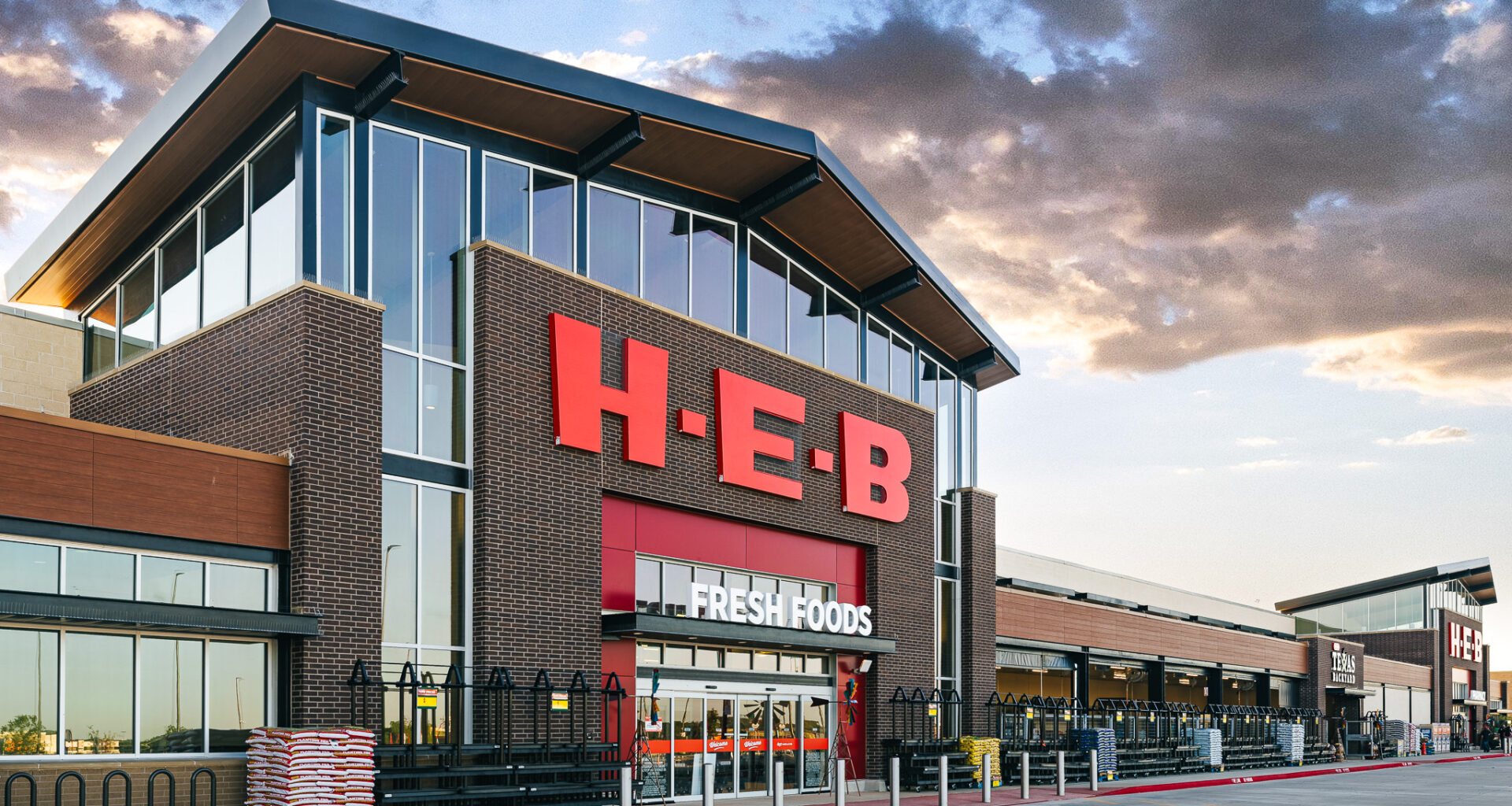
Texas-born grocery store H-E-B is known for catering to a wide range of shoppers, with each neighborhood outpost offering a unique selection of specialty products. But how does the San Antonio-headquartered shopping center fare when it comes to serving Texas’ wealthiest customers?
According to a new study released by global market research and polling company YouGov, H-E-B ranks among the nation’s top grocery chains for higher-income shoppers — though its customer base remains evenly split across income levels.
The study, published Friday, surveyed 4,909 higher-income shoppers and 31,890 middle-and-lower-income shoppers to understand how the groups differ when it comes to their supermarket preferences, purchasing habits, weekly grocery spending patterns and more.
The results featured the top 10 supermarkets among higher-income Americans, including Costco, Trader Joe’s, Safeway, Publix, Kroger, H-E-B, ALDI, Walmart, Walmart Supercenter and an “Other” category.
Costco and Kroger attracted the highest share of higher-income shoppers in the survey, with 11% and 10%, respectively, saying they did most of their grocery shopping at those retailers. H-E-B, however, drew higher-income and middle- and lower-income shoppers at nearly identical rates.
According to YouGov’s analysis, 4% of higher-income shoppers and 4% of middle- and lower-income shoppers said H-E-B was their primary grocery store.
Walmart and Walmart Supercenter were significantly more popular among middle- and lower-income shoppers, with a combined 32% saying they primarily shopped there, compared with 12% of higher-income shoppers. ALDI showed a similarly balanced customer base, attracting 6% of higher-income shoppers and 7% of middle-and lower-income shoppers.
The findings suggest H-E-B’s broad appeal spans income levels, with shoppers from both groups reporting nearly identical rates of loyalty to the Texas-based grocer.