
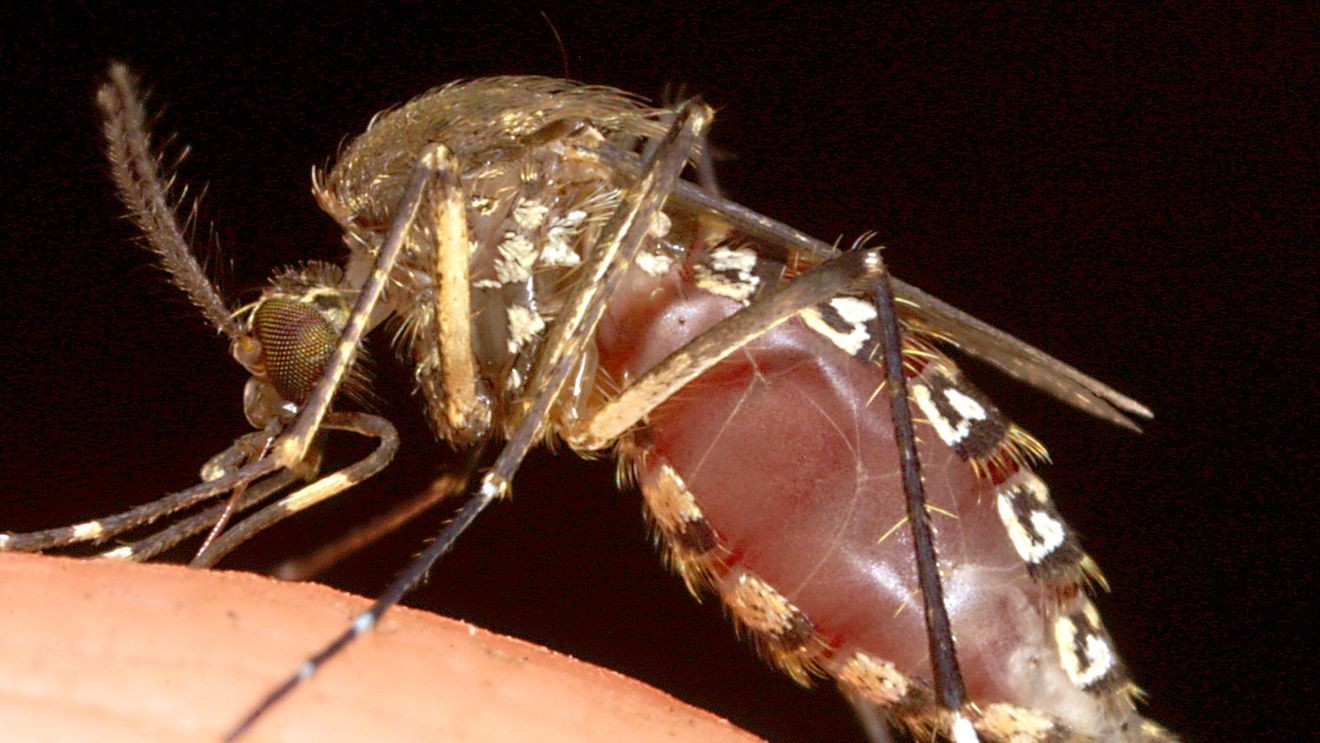
EL PASO, TEXAS (KFOX14/CBS4) — Two El Paso residents have been diagnosed with neuroinvasive West Nile virus so far this year, leading the City of El Paso Department of Public Health to urge people to take steps to prevent mosquito bites.
El Paso health officials said on Tuesday that one patient is a man in his 80s who lives in the 79907 ZIP code and is currently hospitalized. The second patient is a woman in her 60s with significant underlying medical conditions who lives in the 79932 ZIP code and is recovering in a rehabilitation facility.
According to the Centers for Disease Control and Prevention (CDC), West Nile virus is transmitted to humans through bites from infected mosquitoes, which become carriers after feeding on infected birds. Symptoms can include fever, headache, body aches, fatigue, nausea, vomiting, and swollen lymph nodes.
“While most West Nile virus infections are mild or cause no symptoms, these cases serve as an important reminder that mosquito bites can lead to serious illness,” said Dr. Hector Ocaranza, the city-county health authority. “Taking simple preventive measures now can significantly reduce your risk and help protect our community.”
While most people infected with West Nile virus never develop symptoms, according to the health department, about 1 in 5 people develop West Nile fever. This mild illness can cause fever, headache, body aches, joint pain or a rash. Approximately 1 in 150 infected people develop severe neuroinvasive disease affecting the brain or nervous system, and about 1 in 10 people with severe illness die from the infection.
Officials said adults 60 and older and people with underlying medical conditions such as cancer, diabetes, hypertension, kidney disease or a history of organ transplantation are at the greatest risk for severe illness.
The health department also warned about another mosquito-borne illness, St. Louis encephalitis, which can cause brain inflammation.
While most infections are asymptomatic, severe cases can involve fever, confusion, seizures, or death, particularly in older adults, as officials warn there is no vaccine or specific treatment for West Nile virus or St. Louis encephalitis, making prevention essential.
To reduce the risk of mosquito-borne illness, the health department recommends following the “Four Ds”: use an EPA-registered insect repellent containing DEET, picaridin, oil of lemon eucalyptus, IR3535 or 2-undecanone; dress in long sleeves, long pants and socks and apply repellent to clothing because mosquitoes can bite through thin fabrics; limit outdoor activities during dusk and dawn when mosquitoes that carry West Nile virus are most active; and drain standing water from items such as flowerpots, gutters, buckets, pool covers, pet bowls, discarded tires and birdbaths, and refresh pet water daily.
Residents are also encouraged to install or repair window and door screens to keep mosquitoes outside.
Officials also encourage residents to report standing water or mosquito breeding sites by calling (915) 212-6000 or 311.
RECOMMENDED: El Paso confirms first West Nile neuroinvasive death of the year
RECOMMENDED: El Paso confirms first neuroinvasive West Nile virus case of 2025 in 80-year-old man
Sign up to receive the top interesting stories from in and around our community once daily in your inbox