
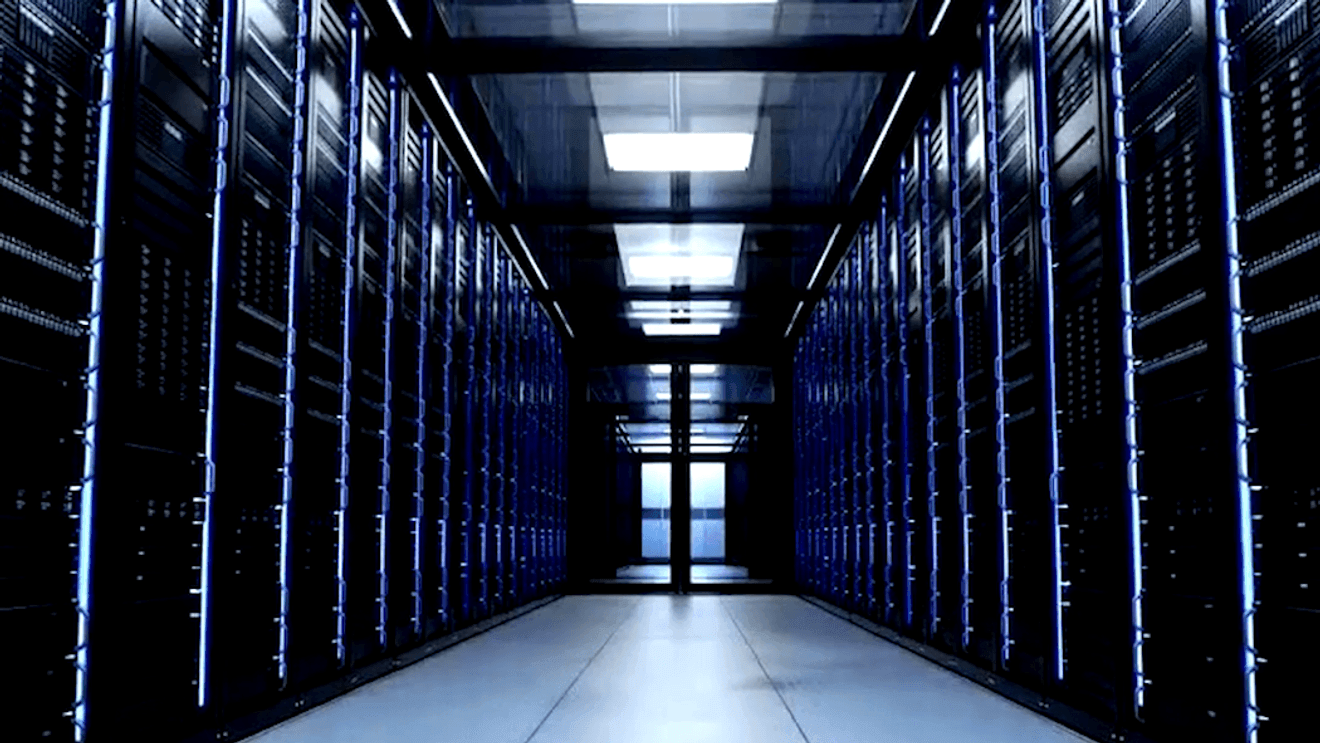
ABILENE, Texas — As artificial intelligence accelerates, data centers are emerging as one of the fastest-growing components of digital infrastructure in the United States. Yet, despite their rapid expansion, many Americans still don’t understand the role these facilities play in everyday life.
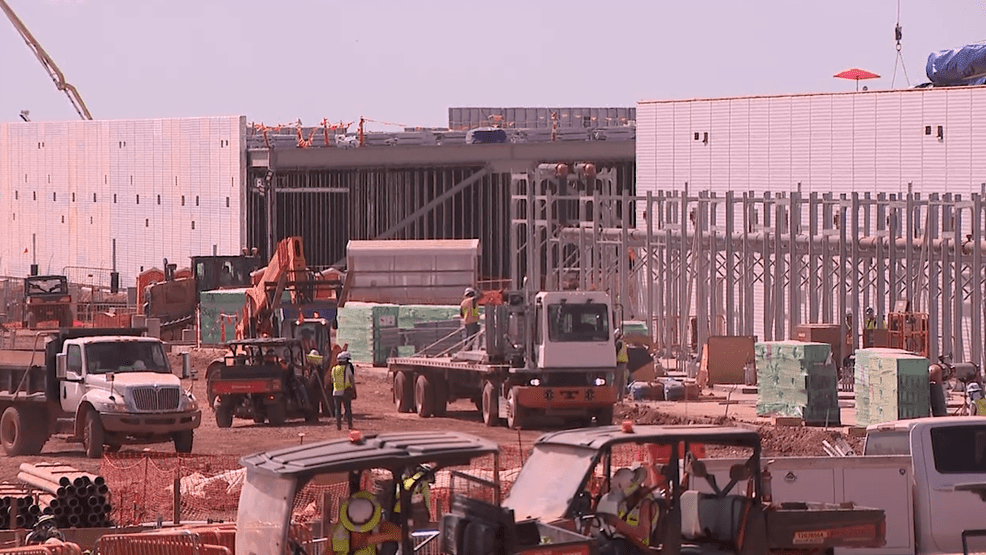
Data centers are built around a complex network of physical equipment (KTXS/Scott Martin).
Larry Brickner, an advanced manufacturing instructor at Texas State Technical College in Abilene, offered insight into the complex infrastructure behind data centers and their growing importance in the digital age.
“A data center is essentially a large computing facility where information is processed over the internet. Every time you make a query, that request is processed by a data center. In the past, companies had to maintain their own server rooms with dedicated technicians,” Brickner said. “Now, we can pay companies like Google or Amazon to process and store our data offsite.”
Beyond their role in powering digital services, data centers are built around a complex network of physical equipment designed for speed, security, and reliability.
“Inside a data center, you’re going to find a large number of secure servers. They use what’s known as an air gap, meaning those servers are not physically connected to anything outside of the facility. The only way in is through their firewall,” he said. “You’ll see a ton of server racks. Imagine it as a big black tower with a bunch of cards inside, and each one of those is networked together.”
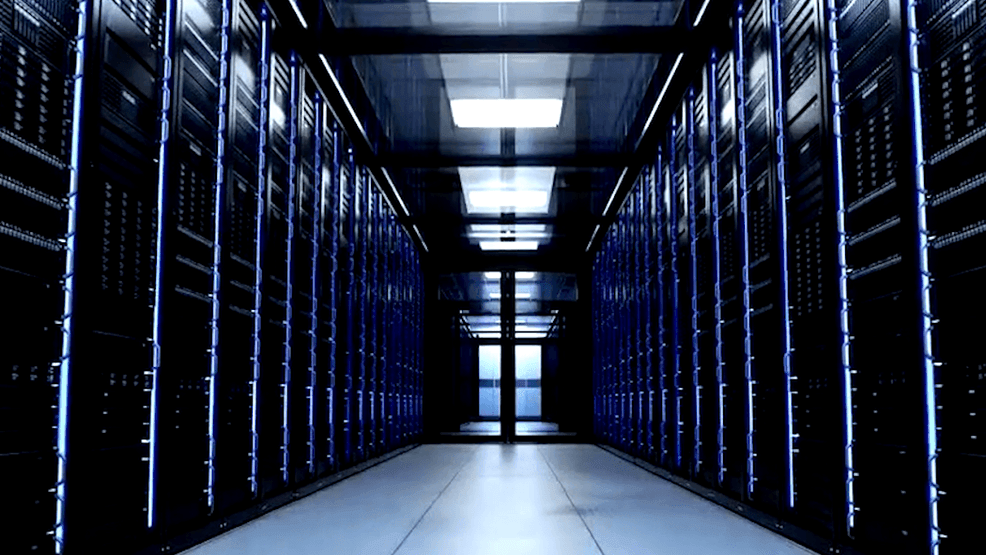
As artificial intelligence accelerates, data centers are emerging as one of the fastest-growing components of digital infrastructure in America (SBG).
The growing demand for data centers has also brought increased attention to their water consumption. Brickner explained the role water plays in cooling these facilities and how modern systems have become more efficient over time.
“Water cooling is the most effective way to achieve thermal transfer. A block is mounted to the processor, and water runs through it to help cool the system down. These data centers are not using millions of gallons of water each day. I’m not sure where that estimated figure comes from, but these systems are more efficient now than they have ever been. That may have been the case with previous versions where water was continuously rotated, but today’s systems are designed differently,” he said. “However, it does take a substantial amount of water to build cooling loops.”
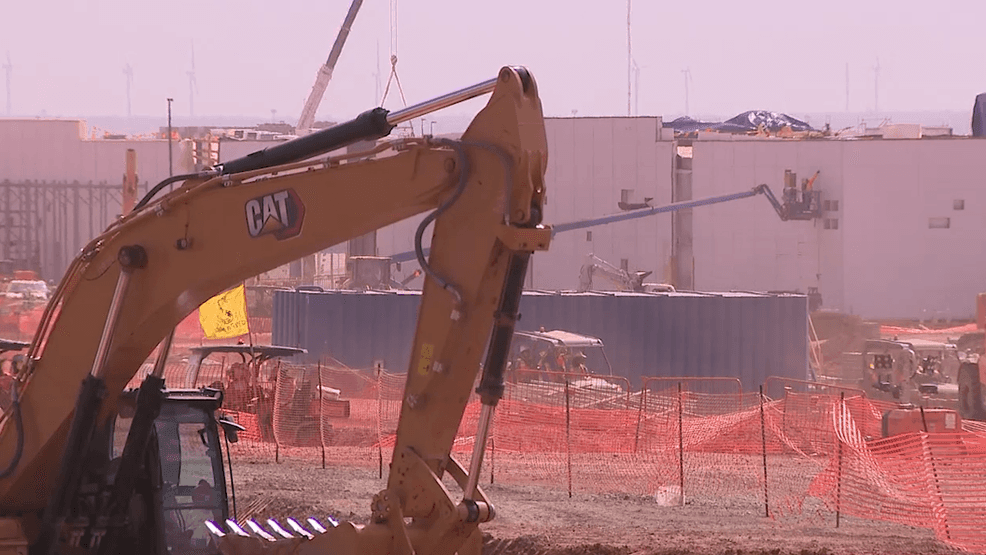
Behind the expansion of data centers is a larger international race to shape the future of artificial intelligence (KTXS/Scott Martin).
Behind the expansion of data centers is a larger international race to shape the future of artificial intelligence.
“This is a global race between countries. China is going all in, and so are we,” Brickner said. “At its core, this is a race to intelligence. We can then utilize that intelligence in warfare and civilian life.”