
 article
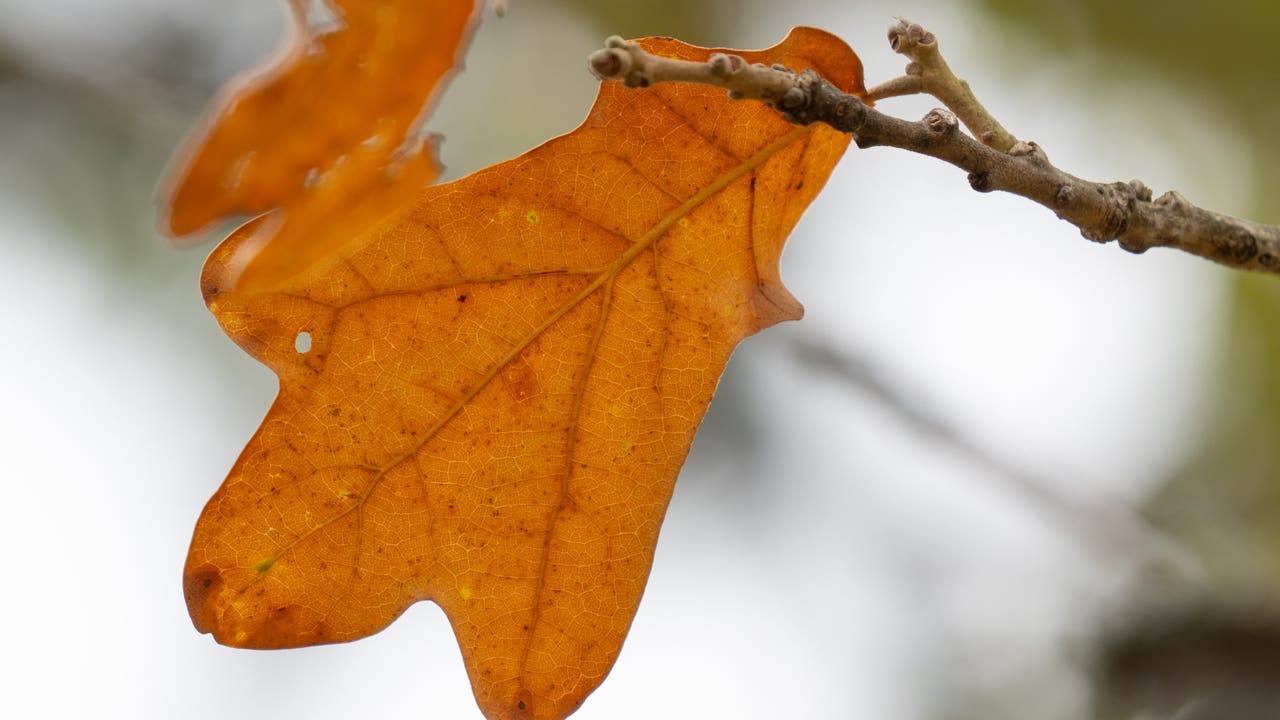
Leaves of an oak tree transitioning colors during the fall as it enters dormancy. (Source: Texas Parks & Wildlife)
TEXAS – For Texans eager to witness the annual autumn spectacle, the state offers several distinct regions where trees put on a dazzling display, with the peak season arriving later than much of the rest of the country.
While Texas’ fall may not be as expansive as the East Coast’s foliage, Texans can still view the chemical magic of color changes across the state, according to Kimberlee Peterson, Texas A&M Forest Service Woodland Ecologist.
Texas-native trees known for their color include sassafras, sweetgum, bigtooth maple, red oak, Tupelo, sumac, black hickory, pecan, and elm.
Where can I see the leaves change color in Texas?
There are three main areas to view the fall changing of the leaves.
East Texas
This region, characterized by soft and hardwood trees, tends to offer a patchwork of fall colors. The mix of species, including those with pigments that create reds, oranges, and yellows, results in a mosaic of hues across the landscape.
Central Texas Water Basins
Along river and creek systems, the foliage display is often more unified. These areas are typically comprised of bald cypress, cottonwood, and sycamore trees, which display a cohesive transition to fall colors, often featuring shades of gold and rust.
West and Hill Country
For Texans further west, the premier destination is the Lost Maples State Natural Area. This park is home to a protected stand of Uvalde bigtooth maples, which are famous for their fiery red and golden-yellow transformations.
When is the best time to view the changing of the leaves?
As of Oct. 31, 2025, the Texas Parks and Wildlife Department reported that fall colors were expected to emerge soon at Lost Maples State Natural Area.
Check the Texas Parks & Wildlife Fall Foliage Color Report
The timing of the spectacle is highly dependent on environmental factors, including temperature, light, and water, which makes the perfect moment “nearly unpredictable,” Peterson said. The destruction of chlorophyll and the emergence of fall pigments can even be influenced by conditions from six to nine months prior to the season.
Peterson noted that Texas’ peak fall foliage remains one of the latest in the nation, often extending the leaf-peeping season well into November. Enthusiasts can track the changing colors using resources like the Smoky Mountains Fall Foliage Prediction map.
The Source: Information in this article is from Texas Parks & Wildlife.