
San Antonio, Texas — SAN ANTONIO — Thousands of Bexar County homeowners could soon face a new expense if updated federal flood maps place their properties inside high-risk flood zones.
The San Antonio River Authority has submitted updated FEMA floodplain maps that would add 5,007 parcels and 5,639 buildings to proposed flood zones across the county.
The agency says the public release of the preliminary maps and community meetings is now expected in early 2027. Once released, homeowners will be able to review the proposed maps to see whether their properties have been added to a floodplain.
For some homeowners, that change could have financial consequences.
If a home is added to a high-risk flood zone and the property has a mortgage that requires flood insurance, the lender may require the homeowner to purchase a separate flood insurance policy.
Jonathan Clemente knows what that can cost.
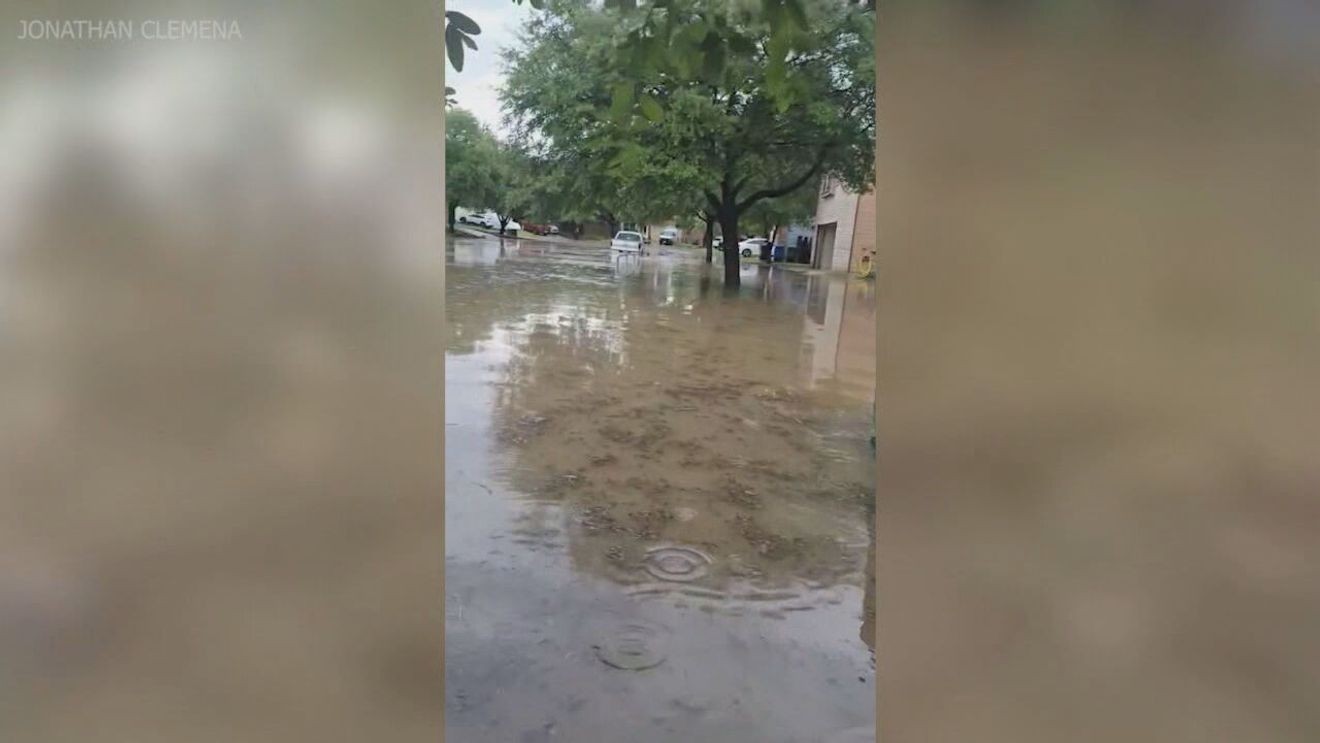
FOX SA first met Clemente after last year’s deadly flooding in Bexar County. This year, floodwaters damaged his home again.
Clemente’s house sits one street inside the current FEMA floodplain. Under the proposed maps, the floodplain would expand farther into his neighborhood.
“This is the sixth time this area has flooded,” Clemente said. “And for me personally, after living here for four years, twice within a year.”
After last year’s flood, Clemente said his private flood insurance company paid his claim but later canceled his policy.
“And last year we had flood insurance, and after everything was repaired, they cancelled on us,” Clemente said. “So after that, we had to get a new one.”
Because his mortgage required flood insurance, Clemente said he had to find another policy quickly. He ultimately purchased a government-backed flood insurance policy but said it cost more than $3,000 and had to be paid in one lump sum.
“That one hiked up over a grand,” Clemente said. “So it’s like over $3,000, something like that. And we have to pay all on the same day. It’s kind of crazy.”
Insurance expert Veronica Gonzalez said many homeowners could soon receive similar notices from their mortgage lenders.
“I thought there’s going to be a lot of homeowners that are going to be informed by their mortgage lenders,” Gonzalez said. “Depending on how their loan is structured, they will now be required to purchase flood insurance.”
Gonzalez said homeowners insurance does not cover flood damage.
“If you have just a regular homeowners insurance, it does not cover flood-related losses,” she said.
She also warned homeowners not to ignore notices requiring flood coverage.
If they fail to obtain a policy, mortgage companies may purchase what is known as force-placed insurance and add the cost to the homeowner’s monthly mortgage payment.
“What often happens is mortgage companies are allowed to put what is called forced-placed insurance, and then they add the payments for that to your mortgage, which can be very costly for homeowners, and they typically will not select the most cost-effective policy,” Gonzalez said.
She recommends homeowners contact an insurance agent immediately after receiving notice from their lender to compare coverage options before a policy is selected for them.
Even with insurance, recovering from a flood can be expensive.
A fire and water restoration professional told FOX SA that flood damage often extends beyond flooring and drywall. Water can damage foundations, framing, heating and cooling systems, water heaters and appliances.
Depending on the severity of the damage, repairs can cost hundreds of dollars per square foot and quickly climb into the tens of thousands of dollars.
Clemente said last year’s flood caused more than $175,000 in damage to his home and property, and insurance did not cover all of his losses.
The latest flood destroyed furniture he had purchased after last year’s disaster.
“It’s kind of crazy, because I just bought furniture, brand new furniture to recover from last year’s flood, and that’s all gone,” Clemente said.
The repeated flooding has also taken a personal toll. Clemente said the constant cleanup and restoration work has been especially difficult for his nonverbal son with autism.
Residents can compare the current and proposed floodplain maps by using the San Antonio River Authority’s interactive floodplain viewer to determine whether their property could be affected by the proposed changes.