
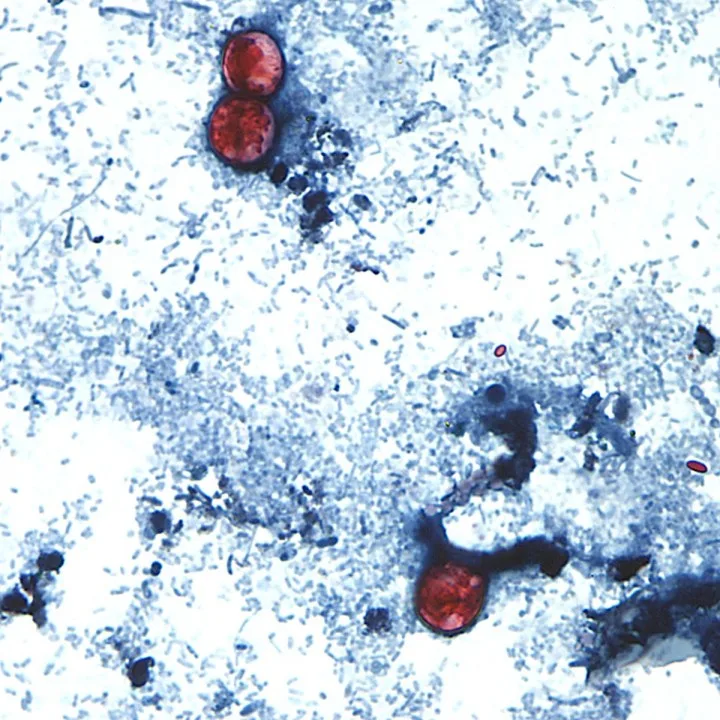
EL PASO, Texas (KTSM) — The City of El Paso Department of Public Health (DPH) is investigating seven reported cases of cyclosporiasis that meet the reporting criteria as either probable or confirmed.
According to the City’s Public Health Department, no common source of exposure has been identified, and there is no evidence linking the reported cases to a single event, location, or food source.
Cyclosporiasis is an intestinal illness caused by the parasite cyclospora cayetanensis. People can become infected by consuming food or water contaminated with the parasite. Symptoms may include watery diarrhea, loss of appetite, weight loss, stomach cramps, bloating, nausea, fatigue, and a low-grade fever.
If left untreated, symptoms may last for several weeks and may reappear.
Dr. Hector Ocaranza, the El Paso City-County Health Authority, joined KTSM 9 News Anchor Andy Morgan live at 6:30 p.m. on Wednesday, July 22, to talk about the outbreak, what precautions residents can take, and why the parasite’s source is difficult to track.
“The Department of Public Health routinely investigates reportable diseases to identify potential public health concerns,” said Ocaranza. “At this time, we have not identified a common source linking these cases, and there is no indication of a single exposure affecting the community. We encourage residents to practice good food safety, wash fresh produce thoroughly, and contact their healthcare provider if symptoms persist.”
As part of the routine investigation, DPH determined that five of the individuals reported recent travel to Mexico during the parasite’s incubation period, of which three traveled to Cancún. The remaining two individuals did not report recent travel.
Residents can help reduce their risk of illness by:
Washing fresh fruits and vegetables thoroughly before eating or preparing them.
Practicing good hand hygiene, especially before handling food and after using the restroom.
Drinking safe, treated water when traveling.
Contacting a healthcare provider if they experience persistent diarrhea or other gastrointestinal symptoms.
For more information about cyclosporiasis, visit the Centers for Disease Control and Prevention website or visit EPHealth.com.
Copyright 2026 Nexstar Media, Inc. All rights reserved. This material may not be published, broadcast, rewritten, or redistributed.
For the latest news, weather, sports, and streaming video, head to KTSM 9 News.