
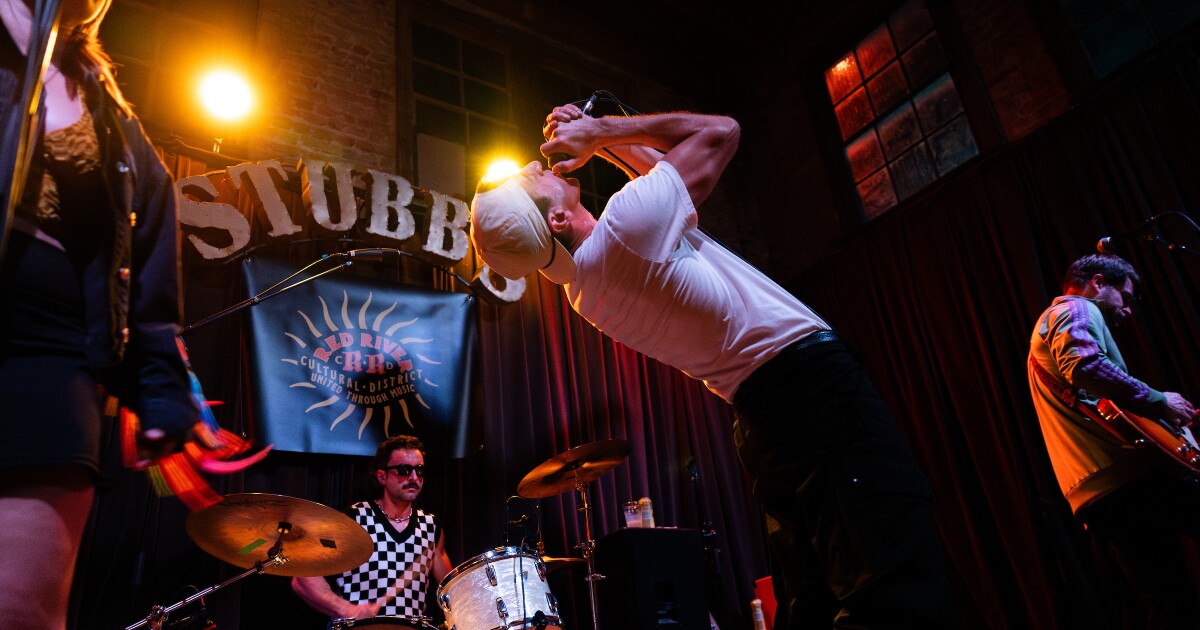
A series of concerts and album parties kicking off this week will test whether Austin’s enthusiasm for live music can be turned into a new fundraising engine for local nonprofits.
The ongoing Let’s Fund Good festival will stage 12 events at small and midsized clubs across the city between Friday and Aug. 30. Admission to each event is $10, with all proceeds going to the 24 participating nonprofit groups.
The lineup includes six concerts featuring Austin artists and six dance parties built around albums by acts including The Beatles, Kendrick Lamar, Beastie Boys and Harry Styles. The events will take place at venues including the Mohawk, Hotel Vegas, Hole in the Wall, Chess Club and 29th Street Ballroom.
The series is the first major bow for Interplanetary Help Desk, a recently formed Austin nonprofit that is attempting to restructure and reimagine fundraising events for charitable organizations, which face the common challenge of committing substantial time and money before they generate any money for their causes.
Interplanetary’s model separates the cost of producing an event from the money it raises. Its sponsors and donors cover the musicians’ payouts and the venues’ and production expenses, while the participating nonprofits keep all ticket revenue and optional donations from attendees.
“We wanted to create a more inclusive and friendly way to do fundraising,” founder and CEO Andy Sernovitz said. “Nonprofits do the part that they’re great at, which is reaching their constituents. Venues do the part that they’re great at, which is throwing shows, and we just sort of manage the middle.”
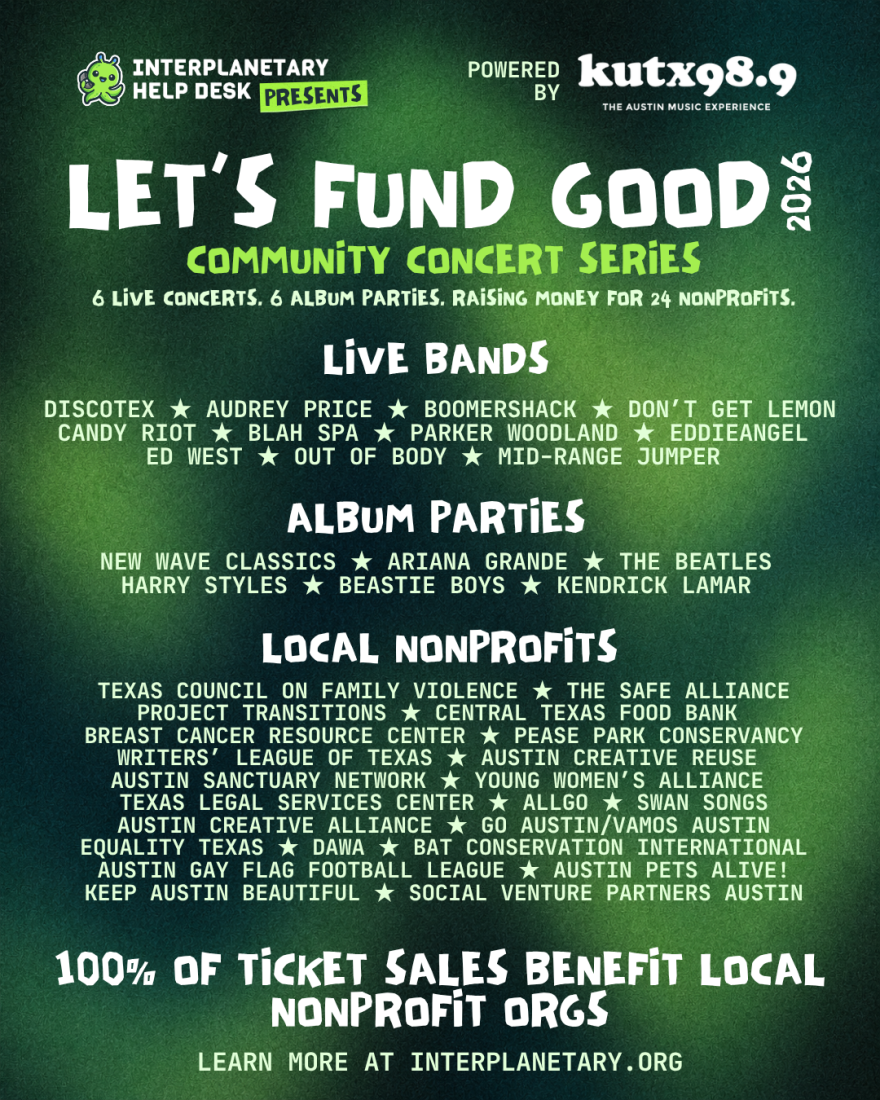
For participating nonprofits, the appeal is partly that the events offer an alternative to both expensive galas and broad fundraising campaigns that may generate only small returns.
John Riedie, president and CEO of the Austin Creative Alliance, said the series lowers the barrier for people who want to support a local organization but may not have the means or inclination to make a large donation.
“The ask for attendees is really low: ‘Hey, come to a show and spend what you would spend anyway,’” Riedie said. “This is a really cool middle ground, middle path that presents no barrier to entry to the giver.”
That low-pressure approach also shapes the series’ programming. Alongside performances by local artists including Parker Woodland, Candy Riot and Blah Spa, Interplanetary is presenting album parties by major artists.
Sernovitz said these events are intended for people who may not regularly visit Austin clubs or who feel uncertain about paying to see artists they don’t know. Rather than quiet listening sessions, the parties will play albums at concert volume and encourage attendees to dance and socialize.
“Experiencing the Austin live music scene is sort of intimidating” for some people, Sernovitz said. Familiar music can serve as “a great entry point” for bringing them into independent venues, he said, and introducing them to the broader nightlife scene.
Concert promoter Graham Williams, founder of Resound Presents, said the new approach could help to connect segments of the city’s civic and cultural communities that don’t regularly interact.
Williams pointed out that nonprofit leaders may know how to reach donors and supporters but have little experience producing concerts, while venue operators and promoters may be short on fundraising experience.
“Putting them under one roof is a killer idea,” he said via email. “Raising awareness for the causes of these nonprofits is almost as much the goal as raising money. Putting artists in front of new audiences is always a plus, and so is bringing people from other communities into venues they’ve never visited before. It’s connecting a lot of different worlds.”
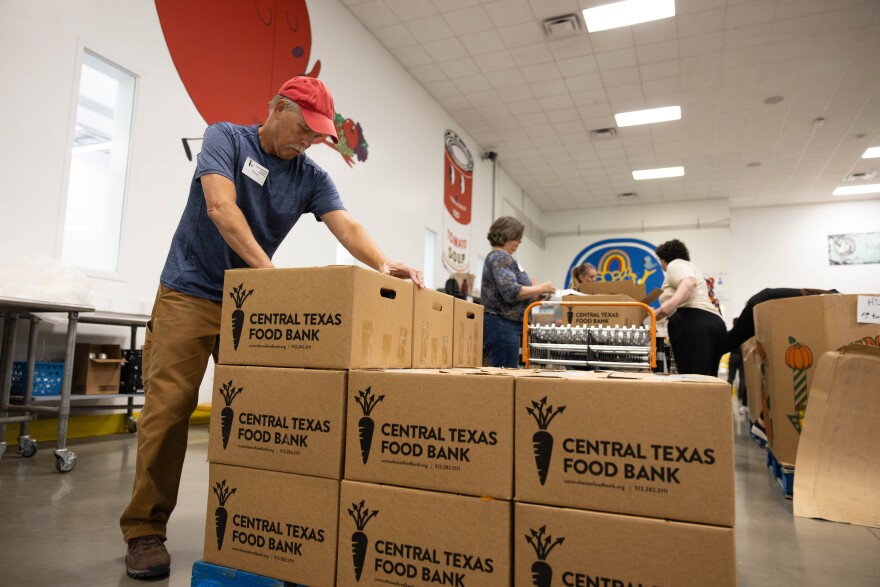
Chris Lehecka moves boxes during his volunteer shift with the Central Texas Food Bank in 2024. The food bank is one of the nonprofits that will receive proceeds from the Let’s Fund Good shows.
The arrangement is also designed to benefit the clubs and musicians involved. Artists are paid rather than asked to donate their time, and many events are scheduled from 6 to 9 p.m., allowing venues to host other shows afterward. Sernovitz said the fundraisers can also bring in older audiences and those who might not otherwise go out.
Williams remains cautiously optimistic, adding that Interplanetary’s first task will be earning the loyalty of artists, venues and nonprofit partners.
Let’s Fund Good follows 11 smaller test events staged by Interplanetary since its founding late last year. Sernovitz said that if the summer series succeeds, the organization could produce two or three similar runs each year in addition to other fundraising events for local nonprofits.
One big test will be whether Interplanetary can consistently attract enough sponsors and donors to cover costs for operations and event production, while passing all ticket revenue to its nonprofit partners. For now, Sernovitz said, the goal is to demonstrate that the model can fill rooms, pay artists and generate money for local causes.
“If everyone understands that we’re all having fun together while helping others,” he said, “then it’s a great community builder and an opportunity to talk about these needs and maybe get some solidarity.”