
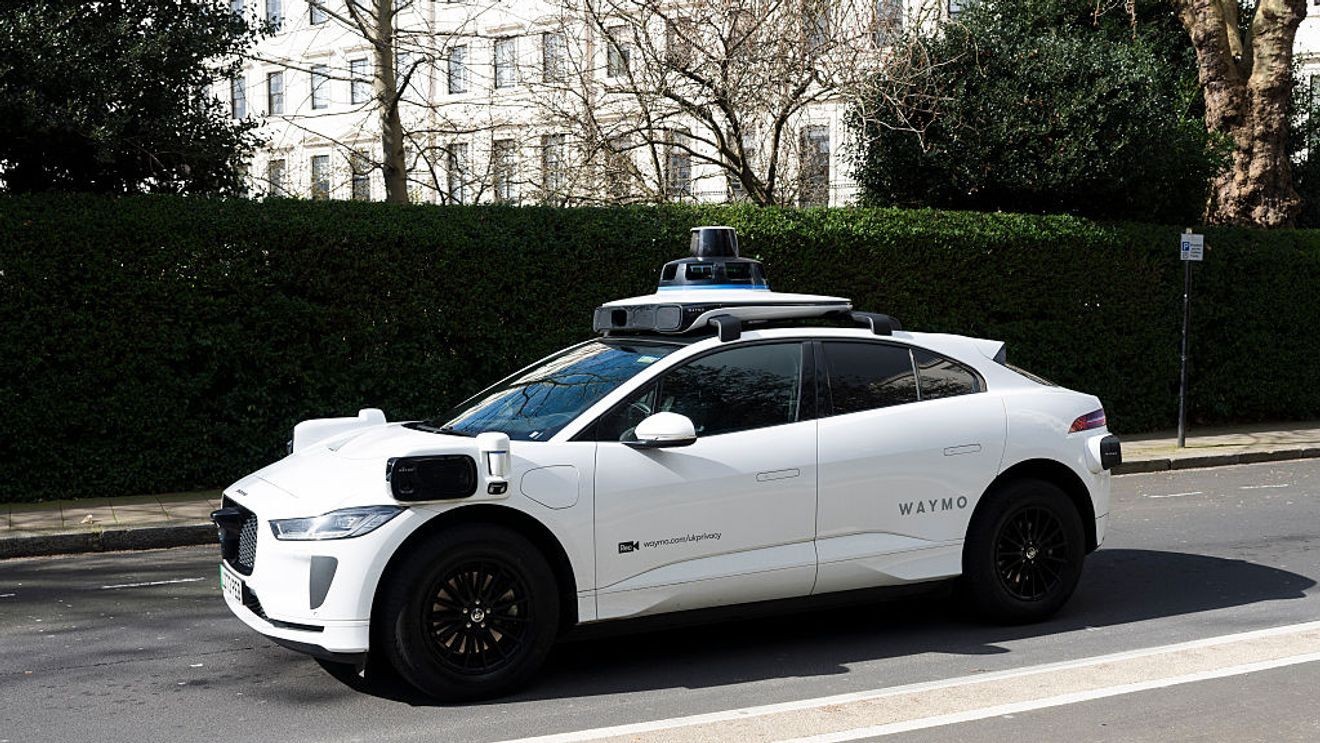
AUSTIN, Texas — Driverless Waymo vehicles crashed less often than human-driven cars across four major U.S. cities, according to a new study, though Austin was an outlier where Waymo’s crash rate was slightly higher than the others.
The Insurance Institute for Highway Safety compared crash rates between human-driven vehicles and Waymo’s autonomous vehicles in Phoenix, San Francisco, Los Angeles and Austin. The results found Waymo vehicles crashed 68 percent less than human drivers overall.
By city, the study found Waymo had 76 percent fewer crashes than human drivers in Phoenix, 71 percent fewer in Los Angeles and 35 percent fewer in San Francisco. In Austin, Waymo’s crash rate was 4 percent higher than human-driven cars.
Waymo said Austin’s results were influenced by the timing of its rollout there. The company said its autonomous vehicles began operating in Austin after the other cities, resulting in fewer sample miles. Waymo also said it wants regulators to standardize how these safety metrics are measured.
In a statement, Waymo said, “We welcome this new research from IIHS, which confirms our previous peer-reviewed analyses and reinforces the significant safety benefits of the Waymo Driver. We also support the authors’ recommendation for more robust reporting requirements for AV operators—requirements that Waymo already voluntarily meets.”
RELATED: Study finds driverless cars crash less often than human drivers but flags data shortfalls
Waymo vehicles have been a regular sight on Austin streets since 2024, logging millions of miles and sometimes drawing attention online for malfunctions caught on camera.
Some riders say their experiences have been positive. “Yes I have been in Waymo before. I do like the Waymos because they feel very personalized and luxurious,” said Marie Drosche. She also described an instance where the vehicle stopped for her in a situation she believes a human driver might not have: “I have actually stpped at like a non crosswalk before and a Waymo has stopped for me. And I feel like a person driving a vehicle would not have stopped.”
Others remain uncertain. Anastasia Chihai, who said she has ridden in a Waymo once, said, “I really enjoyed the ride and the novelty of riding in a different kind of car. Generally I have mixed feelings around the concept of having a Waymo overall compared to you know having taxi drivers where people actually drive cars.” Even with the new findings, Chihai said the study would not change her view. “I think it doesn’t influence my opinion. I have seen Waymos acting really stupid in traffic, which make me feellike our think that there, you know, there are some challenges around having them in the wild,” she said.