
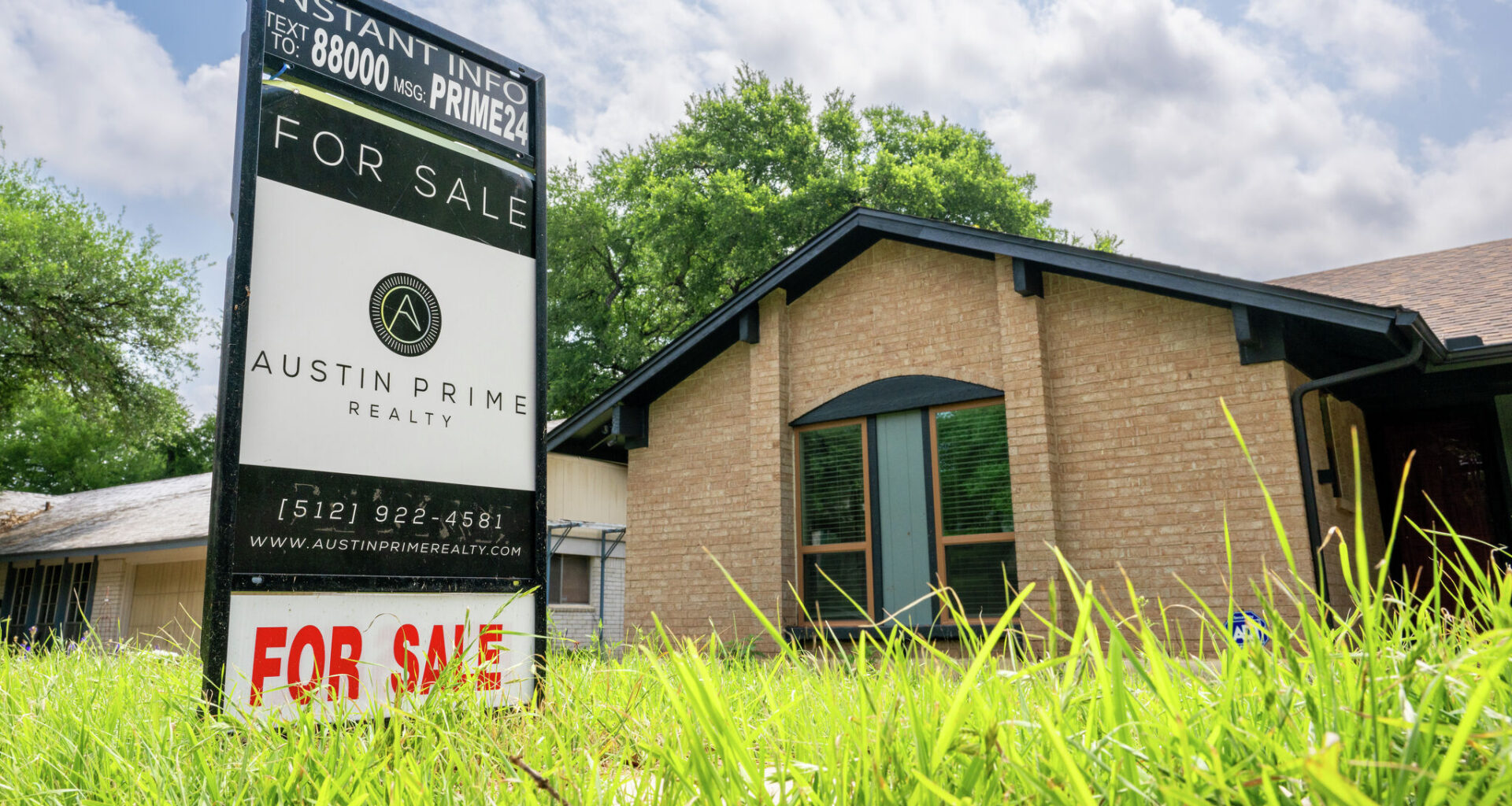
The study revealed the coastal regions and Southwest reigned supreme, dominating the Top 10 as each city secured more than 100% growth in millennial homeowner households across a five-year study period. Zeroing in on the Lone Star State, Austin ranked No. 7 among U.S. metros, growing almost 111% from just shy of 84,000 millennial-owned households in 2018 to nearly 177,000 in 2023.
The Texas capital had familiar company, with San Antonio trailing just slightly behind and securing a No. 10 finish. The Alamo City reported an almost 106% growth during the same five-year timespan, raising its millennial homeownership population from approximately 74,000 people to just over 153,000.
The complete Top 10 included:
The I-35 corridor duo were the only two Texas metros to crack into the Top 10, but two additional cities inched their way into the Top 20, with Dallas and El Paso clocking in at No. 15 and No. 16. Both the North Texas and far West Texas hubs experienced growth values of 96.9% and 95.3% between 2018 and 2023, respectively.
So, what exactly do all of these top metros have in common when it comes to pulling millennial homeowners?
“More affordable home prices, manageable inflation, strong income growth and a higher quality of life,” RentCafe’s analysis read in part. “Additionally, these smaller metros have benefited from the pandemic-driven migration patterns in which Millennials moved away from dense, costly major cities driven by remote work opportunities and the need for more physical space.”