
The VA currently has more than a dozen clinical trials focused on the drugs’ impact on treatment underway.
SAN ANTONIO — San Antonio’s mayor believes the Alamo City could serve as a hub for innovation, especially when it comes to treating veterans with PTSD.
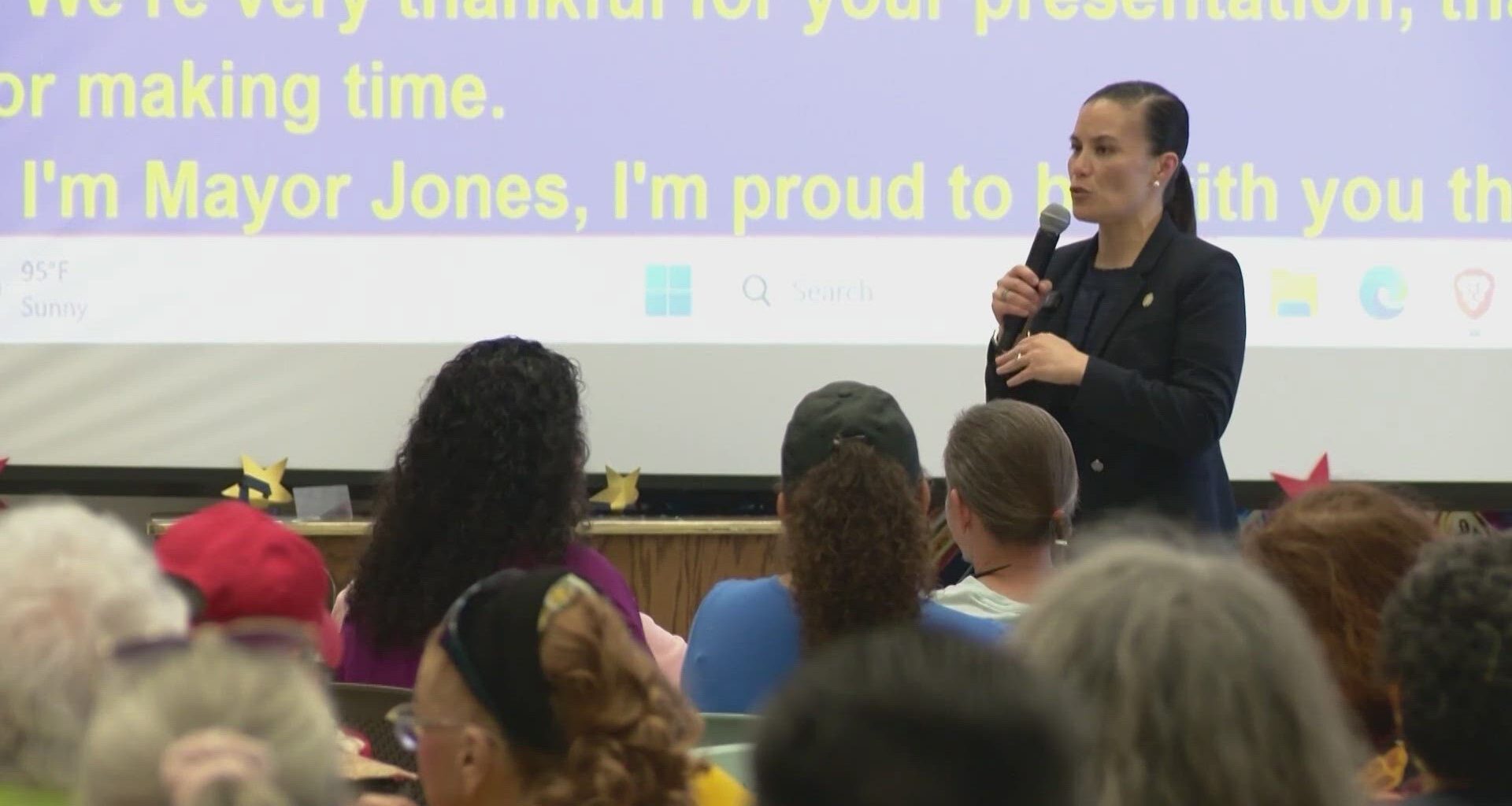
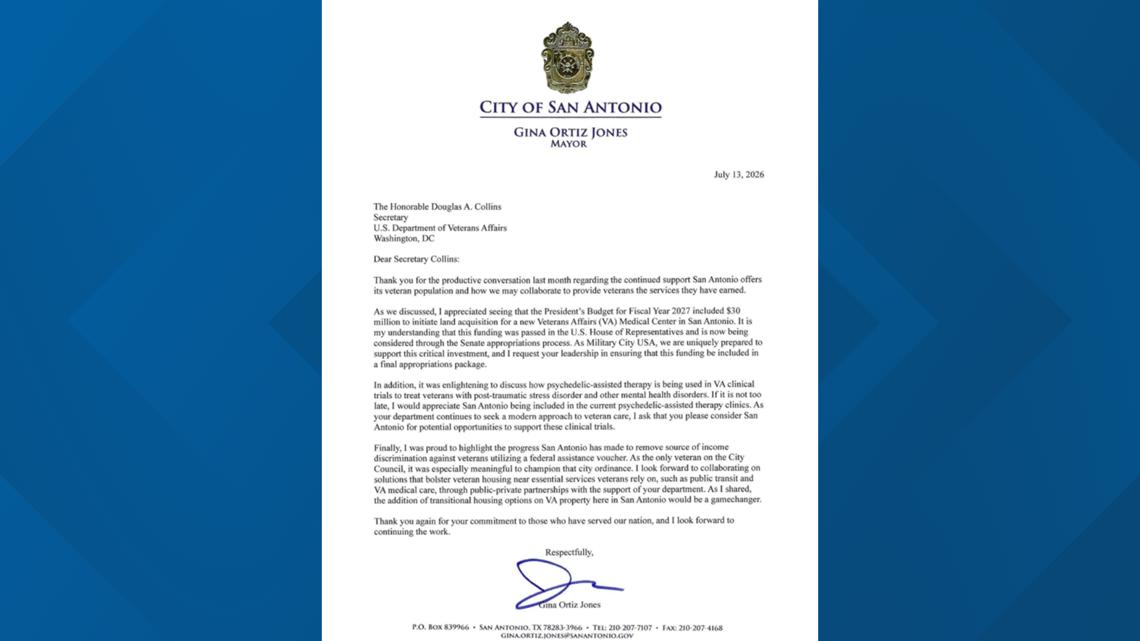
In a letter to the U.S. Department of Veterans Affairs Secretary Doug Collins, earlier this month, San Antonio Mayor Gina Ortiz Jones asked that San Antonio be included among the VA’s more than a dozen psychedelic-assisted therapy clinics.
”We have a lot of 9/11 generation veterans,” Ortiz Jones said. “So, veterans under 50 years old. That’s unique. Versus communities that might be a little older. We also, as I mentioned have the fastest female veteran population. So, really helping the VA secretary understand why this is a place where innovation should be thought of and considered for clinical trials.”
In April, President Donald Trump signed an executive order on the use of psychedelic drugs as medical treatments for PTSD, addiction and depression.
The order paves the way for more research into how the drugs work.
The mayor says this is a chance to bridge two large parts of the city together: a large and robust military community and a strong biomedical research sector.
The actual science is, however, mixed. But, a breakthrough could happen in San Antonio, which is already home to some of the field’s leading research at UT Health’s Strong Star Consortium for PTSD research, led by Dr. Alan Peterson.
Researchers like Peterson, are hopeful MDMA could benefit veterans with PTSD because they believe the drug increases neuroplasticity for about two weeks after you have taken it.
“In theory, it kind of opens up your brain so that maybe it’s more efficient, you can process things, you can think about things you can conceptualize things in a different way because it opens some of these things up in your brain,” Peterson said.
The study at STRONG STAR will monitor and dose participants over the course of two weeks. Peterson says all participants will receive cognitive behavioral therapy and MDMA in either a low or high dose to gauge how the drugs impact treatment.
“Everyone is going to get this evidence treatment for PTSD that we have developed, that’s very safe, that’s very effective, that’s very efficient,” Peterson said. “And if we add MDMA to that and the active arm of MDMA doesn’t do any better than the control arm, the one that’s lower dose, it basically means it’s really not adding anything to what we’ve already been doing.”
Local leaders, researchers and veterans across the country hope more research expands treatment options for veterans seeking help when they return home.