

“Miss, I heard we’re being taken over. What’s going to happen to us?”
The question came up as I was taking attendance in my O.D. Wyatt High School physics class. Many of my students attended the Leadership Academy at Forest Oak Sixth Grade before it was closed in 2024. Now, they’re hearing that the state plans to take over the Fort Worth school district.
Teachers are waiting like everyone else to see what happens as state Education Commissioner Mike Morath appoints a new board of managers and possibly a new superintendent. I can’t predict our future, but I and other experienced teachers know what’s at stake. District and state leaders should be coming to teachers for guidance on necessary changes and earning buy-in from the community.
I’ve seen what works in classrooms and what drives teachers and families away. Looking at what’s happened in other districts, I have hopes but also concerns about what comes next.
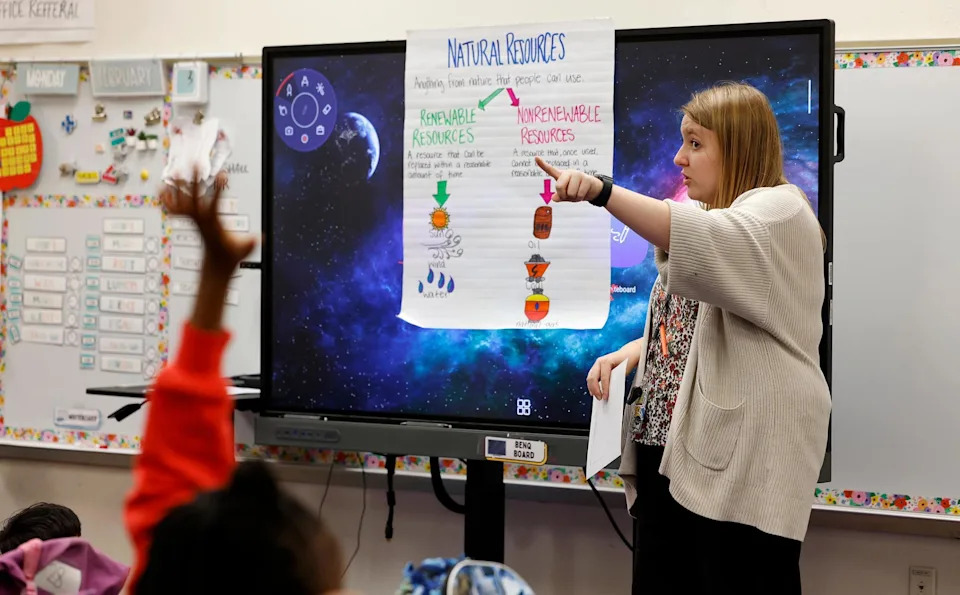
Fourth grade teacher Chloe Marshall leads her students through a lesson at Clifford Davis Elementary School on Monday, Feb. 3, 2025, in Fort Worth.
The stated goal of any state takeover is to raise student performance. Yet the strategies used often involve hours of “high-impact” tutoring outside of regular class time, which often fails to reach the very students who need it most. The new Additional Days School Year program, which will add 25 extra days of classes in June for certain FWISD campuses, may face the same problem. If these extra days become just more testing and screen time with learning software, students will check out or simply stop showing up.
If the state wants to improve outcomes, we need to consider engagement. Students learn best when school feels meaningful, not punitive. Give them real projects and lessons that connect to their lives and not just more test prep.
Fort Worth ISD must work to avoid teacher exodus that Houston saw
Houston ISD, also under state control, made academic gains, but they came at a steep cost. Teacher turnover skyrocketed. Many left because they felt that the new leadership team did not hear or value their point of view. Fort Worth cannot afford the same mistake.
Students may not know the name of the superintendent, but they know the staffers who greet them every day. Retaining those people means respecting their time, trusting their expertise and involving them in decision-making.
To avoid high turnover in the coming years, we need more teacher input into what changes are really needed for improvement. For example, we could provide trained and qualified mentors for all new teachers rather than focusing only on teachers of tested areas. I also suggest our district utilize the Texas Mentorship Program to structure and help fund this support.
We could also minimize tedious paperwork — which most affects staff at the highest-need campuses — by using smarter systems that automate repetitive documentation. And we can reward high-performing teachers with more autonomy to deviate from district-mandated lessons.
More FWISD teachers could benefit from the Teacher Incentive Allotment. This state-funded program awards stipends to high performers in our district based on teacher evaluations and student tests, but evaluations need to be better utilized as a diagnostic for professional growth. For too long, our evaluations have felt vague and unimpactful. Teachers need clearer goals for how to grow and professional development tied to their needs.
Fort Worth should look at Dallas ISD’s Teacher Excellence Initiative to adapt and improve it for our own context. Rewarding effective teaching and helping all educators grow will do more for student outcomes than any top-down reform ever could.
FWISD’s new board must listen to parents, build trust in community
The biggest challenge of a state takeover is that Fort Worth’s new board of managers won’t be elected by the people. To build trust, new leaders must go out of their way to listen. When Houston voters rejected a district bond proposal last year, it was a message that they felt ignored. Fort Worth can avoid that same divide by welcoming community voices — parents, teachers, students, and local partners — into every conversation.
We should strengthen partnerships with local businesses, nonprofits, and civic organizations. An education foundation could help fund classroom grants, student enrichment and even food. When students see their community investing in them, they know their city believes in their future.
I don’t have an exact answer for my students who ask what will happen to Fort Worth ISD. But I do know this: It’s not their fault. Our students deserve a system that lifts them up, not one that makes them feel like failures. I invite our leadership to reach out to me and other experienced teachers to find out what can be done to turn the district around.
This takeover doesn’t have to divide us. It can be a chance to rebuild smarter, fairer, and stronger, but only if we listen to the people who matter most: our teachers, our families and our students themselves.
Jamie Avalos is a science teacher at O.D. Wyatt High School. She is a National Board Certified teacher.
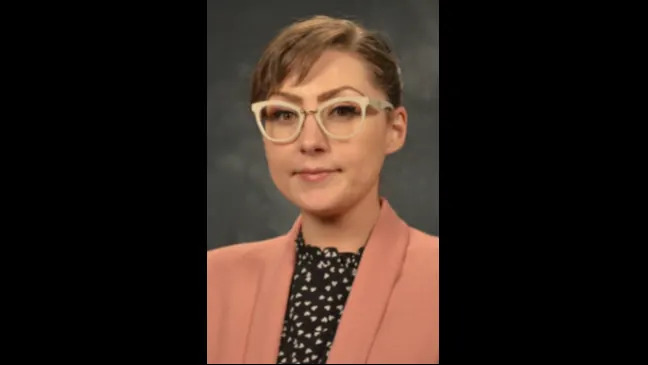
Jamie Avalos
Do you have an opinion on this topic? Tell us!
We love to hear from Texans with opinions on the news — and to publish those views in the Opinion section.
• Letters should be no more than 150 words.
• Writers should submit letters only once every 30 days.
• Include your name, address (including city of residence), phone number and email address, so we can contact you if we have questions.
You can submit a letter to the editor two ways:
• Email letters@star-telegram.com (preferred).
• Fill out this online form.
Please note: Letters will be edited for style and clarity. Publication is not guaranteed. The best letters are focused on one topic.