
Though the Texas grid withstood record demand during Houston’s first triple-digit day of 2026, the scorching heat sent more Houstonians to emergency rooms on July 22 than on any day since widespread power outages left residents defenseless after Hurricane Beryl in 2024.
During last Wednesday’s daily record temperatures, 95 people were treated for heat-related illnesses, according to city data – spiking dramatically after a week that saw between 30 and 45 heat patients each day.
“We’re on an extreme heat advisory. The heat index today in our city, Houston, is expected to reach 115, maybe 117,” Mayor John Whitmire said during the city council meeting that morning.
The city opened over 100 cooling centers, and many residents heeded the mayor’s warning, keeping out of the sun. But with tens of thousands of Houstonians living without air conditioning and many workers required to labor outside, the temperatures still took a heavy toll.
Wednesday’s spike saw the highest number of heat-related cases in the five and a half years of emergency room data collected by the City of Houston, outside of the post-Beryl blackout.
Forecasts suggest the triple-digit heat could persist in the coming days, leaving emergency rooms to prepare for impact.
TODAY: Houston could break a 119-year-old heat record
According to Dr. Neil Gandhi, the assistant medical director of emergency medicine at Houston Methodist Hospital-TMC, local hospitals are prepared with everything from cooling blankets to chilled IV fluids.
So far this summer, “many individuals in the construction sector and within landscaping have utilized our ERs for elements of heat exhaustion, heat cramps, and in one case, heat stroke. We’ve also seen some of the elderly affected as well,” Gandhi said.
In extreme cases, rapidly lowering a patient’s temperature can be crucial to prevent irreversible damage, and even death.
Beyond the worst days
While Houston’s hottest afternoons can be especially dangerous, Gandhi warned against complacency on summer days that are a little less searing.
“When patients come in, it’s not always directly correlated with the exact level of heat,” Gandhi said, suggesting Houstonians may be more likely to stay inside for the worst days.
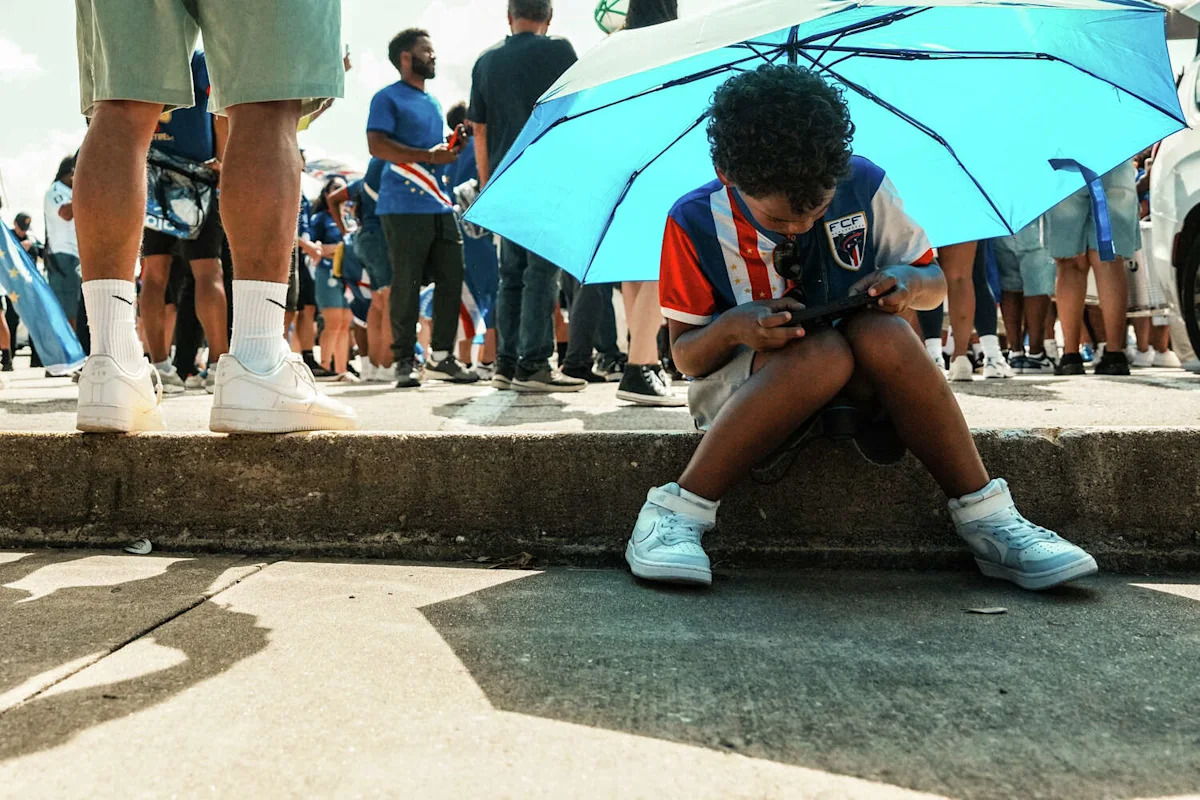
Three days before Houston hit triple-digits, Astros fans and World Cup enthusiasts crowded bustling downtown sidewalks in spite of 95-degree heat.
“It’s still bearable. I feel like if you’re from Houston, you’re OK with it,” said Mario Leal, who stood under a mist machine before the World Cup’s last kickoff at FIFA’s open-air Fan Festival in East Downtown.
Leal thought it was worth braving the heatwave to watch the history-making final between Spain and Argentina on FIFA’s massive screens, and he was not alone.
After some fans waited hours to claim spots in East Downtown, the free festival hit capacity before kickoff. First responders from the Houston Fire Department clustered near the lineup to hand out wet towels and bags of ice. They also watched for anyone taken out by the heat – which, according to fan Rafael Sosa, happened at least once before the gates could open.
“A little after we got here, a young girl passed out. But the EMTs took her to one of their vehicles,” Sosa said.
Sosa and his wife, who recently migrated to Houston from Belize, came prepared with an umbrella and drinks to keep safe in line.
“The heat is brutal,” he said. “We just have to make sure we stay hydrated, and try to stay in shaded areas.”
FIFA Fan Festival spokeswoman Carla Gomez said there were 76 total emergency room transports from official World Cup festivities in Houston, which drew a total of 1,096,499 participants throughout June and July.
“Not all were necessarily heat-related,” Gomez said, adding that many people who needed help cooling off approached a “state-of-the-art Mobile Medical Unit within the FIFA Fan Festival Houston.” The festival grounds also had designated water, sunscreen and cool-down stations.
The day of the final, Houston’s emergency rooms treated 30 patients for heat-related illnesses overall, a tally which does not include people who got cooling assistance outside of hospitals.
The danger zone
As Houston’s temperatures started to climb in June, city health department director Dr. Theresa Tran took to social media to caution residents to prepare.
“When the heat index reaches 104 degrees Fahrenheit, that’s 40 degrees Celsius, you’re at risk for heat-related illness,” Tran said.
Houston’s heat index, which is how hot the city feels combining temperature and humidity, often lifts the swampy city’s danger levels above what air temperatures suggest.
In her video, Tran advised light-colored loose clothing, hats, sunscreen and water.
“Water is good to keep on you because if you happen to start feeling warm or overheated, one of the first things that you can do to cool yourself down quickly is to take the water, pour it on a cloth and wrap it around your neck,” she said.
On the evening of Houston’s record-setting Wednesday, Jessica Treviño skipped the towel. After multiple evening hours standing in the Gulfton-area Burnett Bayland Park to sell bottles of water and snacks, she opened a fresh one and emptied it over her head.
The heat had been “excessive, excessive,” Treviño said, leaving the park before the commotion from a full jungle gym and dozens of mini soccer games had died down. She had sold her stock, she said, everything drinkable, everything iced.
Her Gulfton neighborhood is known as one of the hottest parts of Houston due to the heat island effect that occurs when urban infrastructure absorbs extra warmth. Recent studies have found Gulfton can get up to 17 degrees hotter than the city’s coolest areas.
“Every day, I come at 6:20. But today, 7. It’s too hot,” she said in a mix of Spanish and English, tugging her mostly-empty cart through the gates.
While Treviño knew to protect herself from the acute threat of heat stroke, researchers think heat strain can also compound, affecting people more gradually.
“There’s an idea that by having these repeated exposures over a long period of time, that taxes your nervous system and its ability to compensate,” said Jeffrey Howard, a professor of public health at UT San Antonio. Still, he said, many aspects of the long-term physical impacts of heat have yet to be studied.
Last Wednesday, Houston’s kids home for summer break did not seem to care. Soccer balls continued to fly through the grassy Gulfton gathering spot as dusk approached, while friends burned off steam together after a day hiding from the heat.
Across the street, an often-unattended Watermill Express dispenser boasting “pure ice and water” saw a lineup of cars even after dark.
Subscribe
There’s more to Houston with the Chronicle. Subscribe today for just 25¢.
This article originally published at Extreme Houston heat nearly triggers a new record for single-day emergency room visits.