
WASHINGTON (TNND) — The U.S. economy that has chugged along through years of elevated inflation, whiplash from tariffs and a global energy shock but is facing an uncertain future with a return to fighting in Iran and potential rate increases from the Federal Reserve later this year.
The latest snapshot showed an economy that remains on solid footing but that is facing a considerably murkier outlook moving forward.
The economy grew at a 1.5% pace in the second quarter running April to June, a slowdown from the first three months of the year when the economy grew at a 2.1% clip.
“OK, meh — that’s the big picture,” said Ryan Young, senior economist at the Competitive Enterprise Institute. “We’re in for a period of low growth, and given the president’s tariffs and Iran concerns, we’re in for a period of higher-than-target inflation as well.
Consumer spending, which accounts for 70% of U.S. economic activity, climbed at a 3.2% pace in the second quarter. AI-fueled business spending was also strong in the second quarter, increasing 8.4%.
While Americans have continued spending and kept the economy afloat despite sinking sentiment, budgets are facing mounting strains after a five-year run of elevated inflation and a recent slowdown in real wages is increasing the risk of a spending slowdown.
Despite the inflation concerns, hiring has strengthened this year and given consumers more room to continue spending. Employers have added an average of 92,000 jobs a month, compared to less than 10,000 last year. Unemployment is has also held steady, most recently measuring at 4.2% in June, and layoffs are low.
Hiring has been more widespread among industries in 2026, a welcome change from 2025 where most job growth was concentrated in safe harbor fields like healthcare and education. Construction, manufacturing, professional and business services all added positions in June in a sign of broader strength in the labor market.
The resilience in the labor market is being tested by renewed risks to inflation.
Another report released on Thursday provided evidence of progress on the inflation front, though most economists expect it to be short-lived. Prices increased at an annual rate of 3.7% in June, which was slower than a month earlier, according to the personal consumption expenditures index. Core inflation, which does not include volatile food and energy prices, climbed by 3.3%.
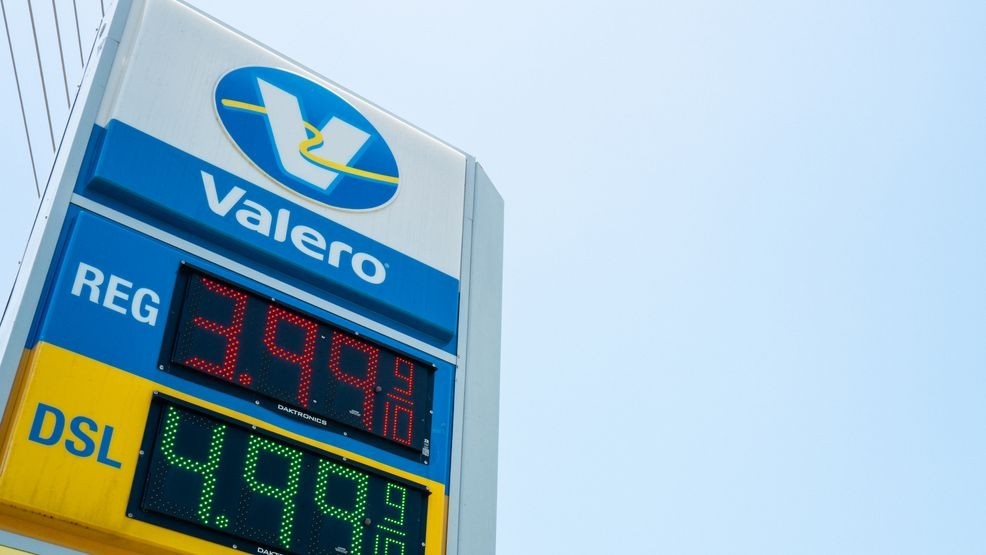
That progress on inflation may quickly be reversed with renewed fighting in Iran, which has sent oil and gas prices higher. A ceasefire brought gas prices down by nearly 50 cents a gallon in June, but a return to hostilities has pushed prices back over $4, according to AAA.
Inflation has been higher than the Federal Reserve’s target of 2% for more than five years. While it has retreated from the pandemic-era highs of 9%, the prolonged stretch of elevated costs has put stress on household budgets and increased the chances the central bank may have to raise rates later this year.
The Fed opted to hold its benchmark rate steady during their July meeting this week, but three officials dissented from the decision in favor of an increase. It was one of the strongest disagreements at the central bank in recent years and underscored growing concern among some policymakers that inflation may remain stuck above target.
The biggest downside risk facing the economy is the war with Iran and what happens in the Strait of Hormuz, a narrow waterway where 20% of the world’s oil and natural gas passes through. After a slow and brief restart to traffic during the ceasefire, shipping has returned to a crawl over concerns of being targeted by Iranian missiles and drones.
Oil prices have retreated after a brief respite in the conflict over the weekend but are still higher than before the conflict. Global oil inventories have also been depleted by the prolonged bottleneck through the strait, leaving less cushion against continued disruptions and raising the risk of further price spikes if the conflict escalates.
“The biggest fluctuations will be with Iran and Hormuz, and the starts and stops in hostilities,” Young said. “We don’t know how much longer that’s going to go on. It could outlast this administration. It could end in a month. Who knows?”
Jumps in energy prices can bleed into other areas of the economy through transportation, manufacturing and costs for consumer goods. As consumers are forced to spend more on necessities like food and fuel for their vehicles, they have less room to spend elsewhere, posing a risk to the main driver of the American economy.
Tariffs will also play a factor in economic activity moving forward. While many of Trump’s sweeping sets of tariffs have been struck down in courts, he has continued to impose new ones, including a new set ranging from 10-12.5% on dozens of America’s biggest trading partners.
Most economists don’t expect the tariffs still in place to cause a significant downturn, but they are widely expected to slow growth and raise prices as businesses weigh how much of the increased costs onto consumers.