
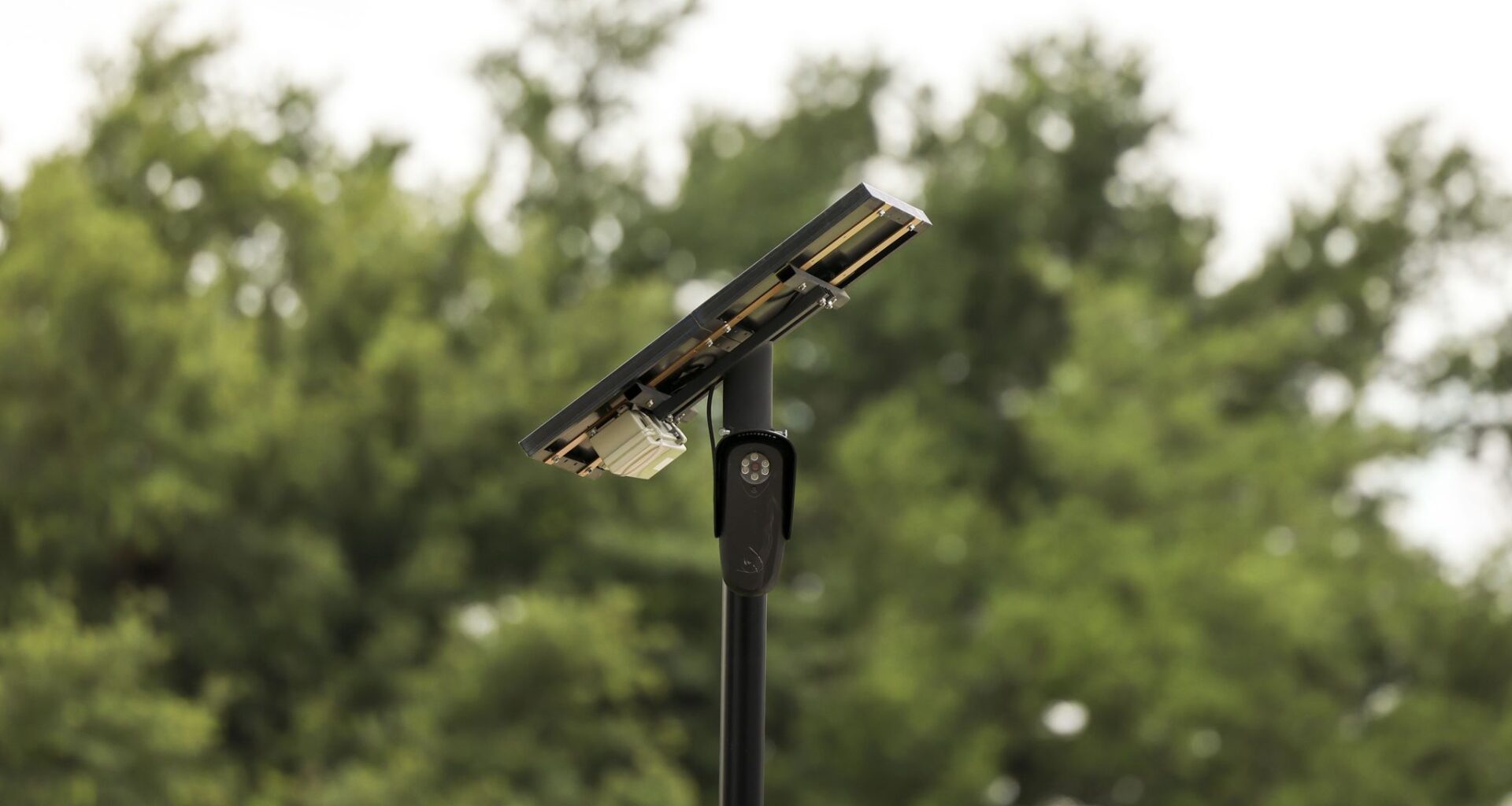
Flock cameras are at the center of a growing local and national privacy debate that has led to some vandalism of the cameras in North Texas and elsewhere. In Dallas alone, there are hundreds of the devices, which can often be spotted atop 12-foot poles and are powered by solar panels.
Here’s a look how the technology works and how it’s used in Dallas.
Based in Atlanta, Flock Safety started in 2017 and creates public safety technology marketed to law enforcement agencies, homeowner associations and business owners.
The information these cameras can capture includes license plate numbers, a car’s description and the date, time and location a vehicle passed through.
Flock cameras collect information anytime a vehicle passes within a camera’s field of view and is detected. According to Flock Safety, the cameras can capture vehicles traveling up to 100 mph from 75 feet away.
If a crime occurs, local law enforcement can search the cameras for data collected around the time of the incident.
Dallas has 670 cameras installed throughout the city, according to prior reporting by The Dallas Morning News. The city does not disclose their exact locations, but the cameras sometimes are installed on utility poles. They are often placed in common driving areas, such as neighborhood entrances and parking lot exits, according to Flock Safety.
The city also has seen a recent surge in intentional damage to Flock cameras, with at least 25 incidents of cameras being vandalized or removed since March.
Each Flock customer – such as law enforcement agencies or HOAs – owns their own data and determines who has access to it.
Although Flock’s standard policy is to delete camera data after 30 days, the city of Dallas stores Flock-collected license plate numbers and images for one year, according to previous reporting from The News.
Flock cameras in Dallas are primarily aimed at public rights-of-way and do not face private residences or property, according to a March city presentation.