
The Texas Supreme Court allowed a ban on delta-8 tetrahydrocannabinol (THC), classifying the substance as Schedule I, meaning it will be controlled in the same category as LSD and heroin. The ban will go into effect Friday, limiting the inventory for local businesses and options for customers.
The Court ruled against businesses, which argued legislation legalized the sale of delta-8 in 2019. A ruling on this case, Sky Marketing Corp v. Texas Department of State Health Services, by lower courts allowed delta-8 sales starting in 2019. However, in May 2026, the Texas Supreme Court reversed the court order that initially allowed the sales of delta-8 to continue, according to a notice issued by the DSHS earlier this month.
The Texas Hemp Business Council urged hemp businesses to sell all or take off any products containing delta-8, delta-10, delta-6 and THCP from the shelves in their legislative update on July 15. The council also wrote in the update that a public statement by the DSHS regarding the ban has not been made.
THBC President Cynthia Cabrera said there are conflicting regulations and unclear instructions from DSHS on what vendors need to do.
“Enforcement on the existing rules has been somewhat spotty, so I don’t know what enforcement on this will look like,” Cabrera said. “What we’re advocating for smaller retailers and smaller businesses is clarity from (the DSHS).”
Lt. Governor Dan Patrick has been vocal on THC regulation. During the last legislative session, he advocated for a total ban of THC products in the state. In a September 2025 press release, Patrick said many “dangerous” THC products are being sold “mislabeled with ingredients unknown to the buyer.” He said the initial age restriction of those 21 and up does not protect people’s safety.
“A ban is the only way to truly protect kids from accessing these products,” Patrick wrote in the release. “We have age limits on alcohol and cigarettes, but we know that does not stop kids from getting them either.”
The Texas Senate Committee on Health and Human Services held a public hearing on July 7 to discuss and collect information to inform future legislation. The legislature may look to restrict or ban THC further in the next legislative session, which begins January 2027.
Some local THC businesses have reported a smaller inventory of products they can sell, and staffing downsizes as new regulations come into place. Todd Harris, co-owner of hemp shop The Happy Cactus, said he had to let go of about half of their staff last month. He said the business will lose about 15% of the products they sell after Friday’s ban, in addition to an estimated 70% of business they have already lost due to past regulations.
“They’re putting these products (as a Schedule I) that we’ve helped 75-year-old retired teachers with,” Harris said. “They’re now going to compare it to, or having the same schedule as coke (and) meth.”
Harris said the products lawmakers are “coming after” are some of the safest products that his business and others sell, making it feel confusing and daunting for them.
“There are some bad actors out there that aren’t following the rules, that don’t have licenses,” Harris said. “But that’s who should be inspected and should be gone after. Not all the ones like us that have been doing it right this whole time.”
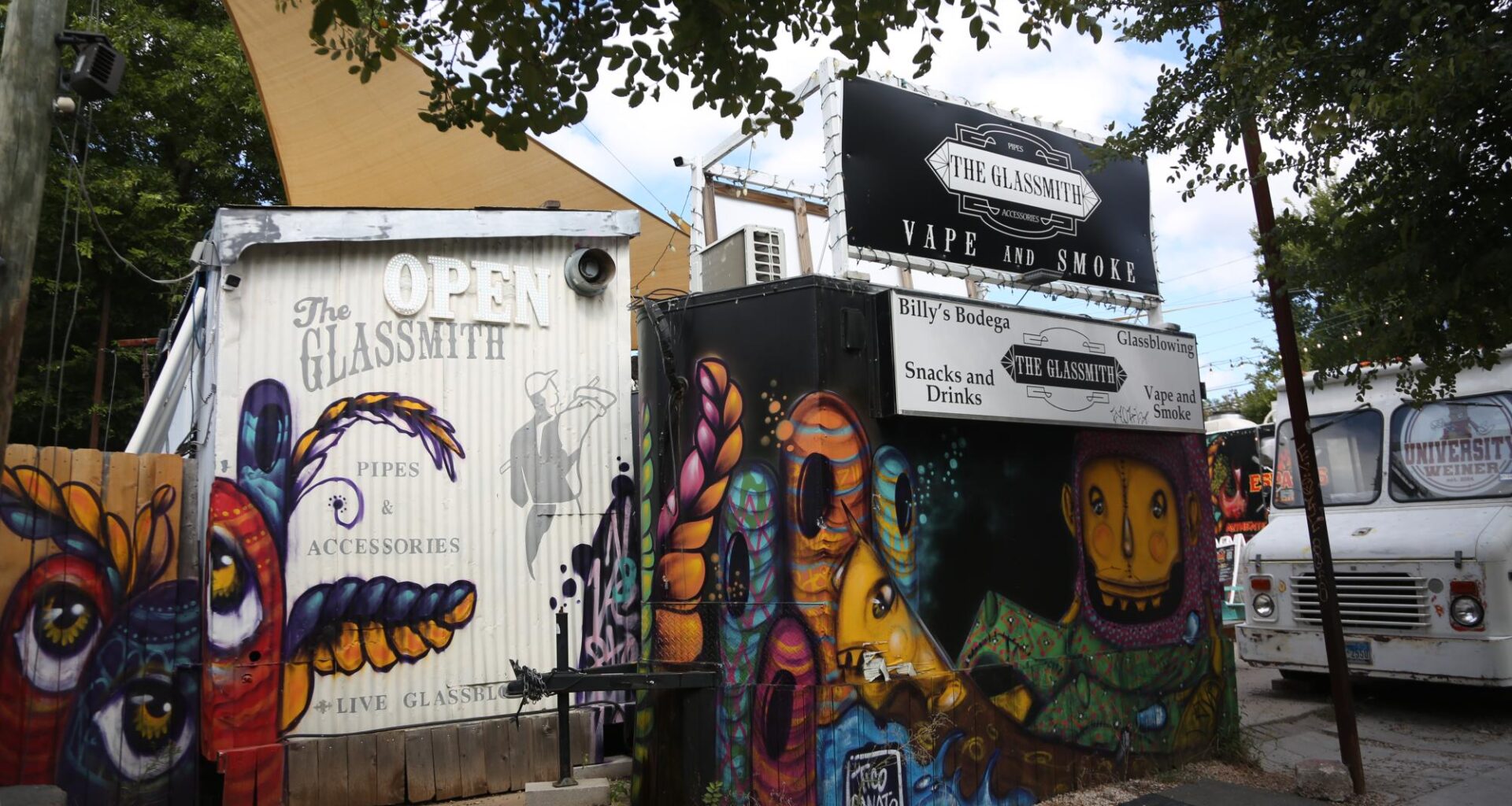
The ban of delta-8 and other forms of THC won’t be more beneficial for people’s safety either, said Brayan Lares, an accounting senior and a customer of The Glassmith, a smoke shop in West Campus. He said he is confused about the products being banned, considering that other products are still on the market.
“It poses more danger because, at least for me, I’m probably going to find (delta-8) somewhere else,” Lares said. “So that’s probably more dangerous than being able to just buy it (in) the smoke shop.”
While Cabrera says the future of hemp businesses is unclear, she says people like her are lobbying and reaching out to DSHS regarding the matters during a non-session year for the Texas Legislature.
“The fact of the matter is that today they’re going after the hemp industry,” Cabrera said. “But who are they going to go after tomorrow?”