
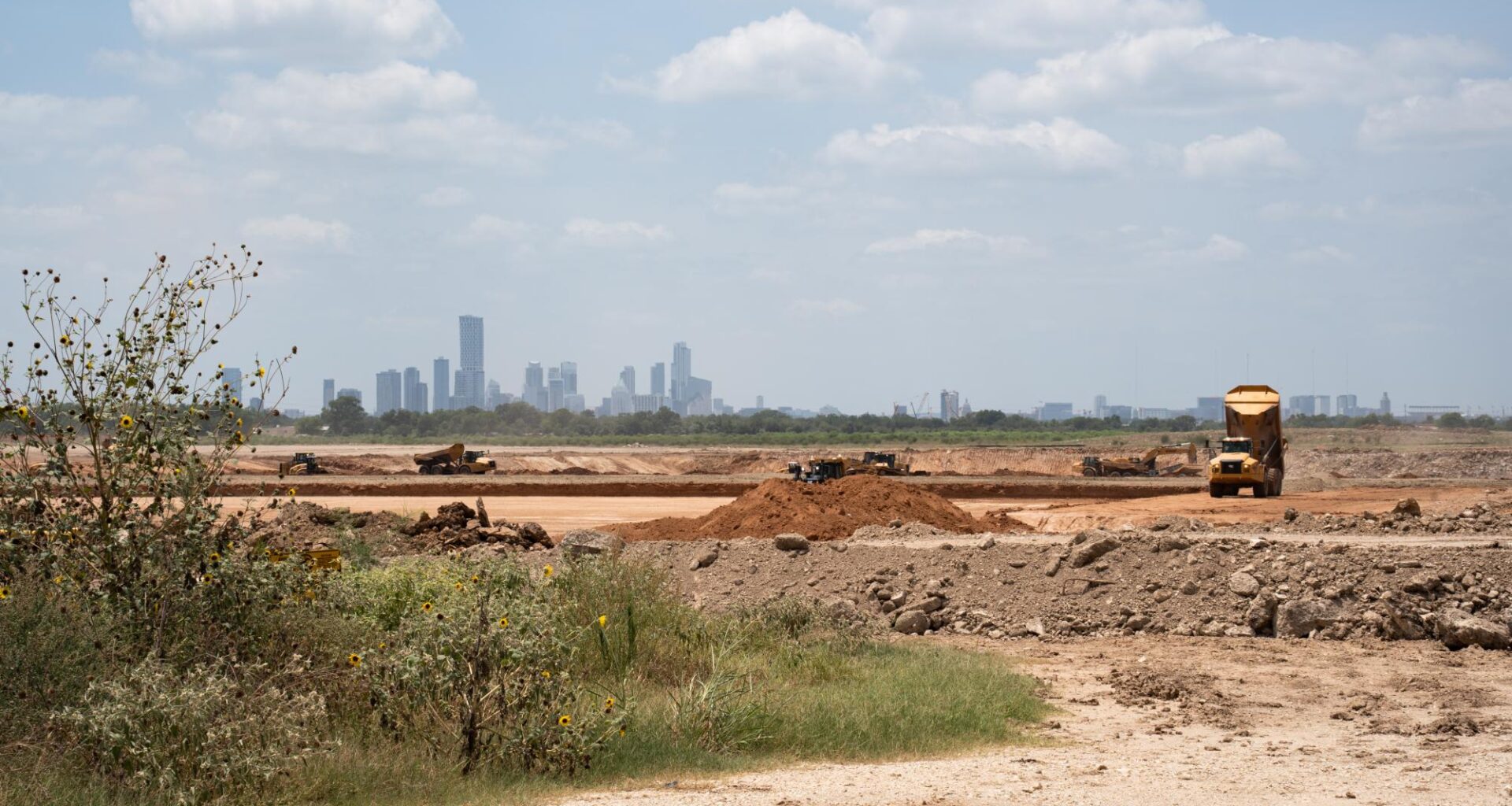
Austin City Council designated a special tax increment reinvestment zone for a 2,645-acre Southeast Austin area known as Dog’s Head during a heated July 23 meeting, paving the way for potential housing, industrial and retail development.
The zone, which council members voted 7–3 to approve along with its preliminary project and financing plan, intends to directly reinvest taxes collected from Dog’s Head back into construction and development in the area. The vote was a crucial step in the development deal between the city and the land developer Dog’s Head Land JV, LTD.
The meeting contained hours of public comment from both supporters and critics of the project. The decision comes a few days after a city official revealed Amazon as the company interested in becoming one of the area’s first builders at a July 21 work session.
The agreement now goes to Travis County, which will decide whether to fund the zone alongside the city. The county’s decision is a necessary step to fully fund the development under the Dog’s Head agreement. Some county commissioners expressed skepticism over the proposal during a commissioners court meeting earlier in the month,saying they needed more information and transparency before making a decision.
Before the vote, dozens of speakers lent both support and disapproval for the project before the City Council. Supporters hailed the area’s long-term economic and growth potential, while opponents criticized lack of transparency with the public and environmental concerns with the terms of the agreement, demanding council members slow the approval process and reevaluate their approach.
“We’re being told that if we don’t do this deal, we’re going to lose an opportunity,” Steven Brown, a critic of the project and candidate for City Council District 1, said at the meeting. “I just don’t believe that. I believe that we can work and figure out something a lot better that will put money back in hard-working families’ pockets, and not just developers’.”
Critics argued that the city and developers have provided little to no opportunity for community feedback during planning or approval.
Richard Suttle, an attorney representing the developer, admitted during the meeting more could have been done to communicate plans.
“We’ve done poorly,” Suttle said. “I wish we’d had more time, and I wish we would have had more interaction. And I hope to have more interaction as we go the next step.”
District 9 Council Member Zohaib “Zo” Qadri was one of three council members to vote against the creation of the tax increment reinvestment zone. Qadri said he noticed residents’ confusion and frustration over the way the project was communicated early on.
“I voted against it because of concerns that my constituents had,” Qadri said. “(There is) a lack of complete clarity and answers to the overall direction of the project.”
In a presentation released in May, the city manager’s office argued that urgency was needed to expand the city’s tax base. The presentation called the plan a “generational economic opportunity” due to the area’s proximity to Austin-Bergstrom International Airport, among other benefits.
“On the economic development stage, Austin is playing catch up,” the presentation reads. “The City’s economic development efforts need to level the playing field to support Austin’s fiscal sustainability.”
In addition to approving the zone, the Council passed amendments in the agreement to create a water quality zone meant to protect the Colorado River and regulate development impacts.
A final vote on the iteration of the tax reinvestment zone is not expected to happen until 2027. In the meantime, county or city officials could suggest changes to the plan during review.