
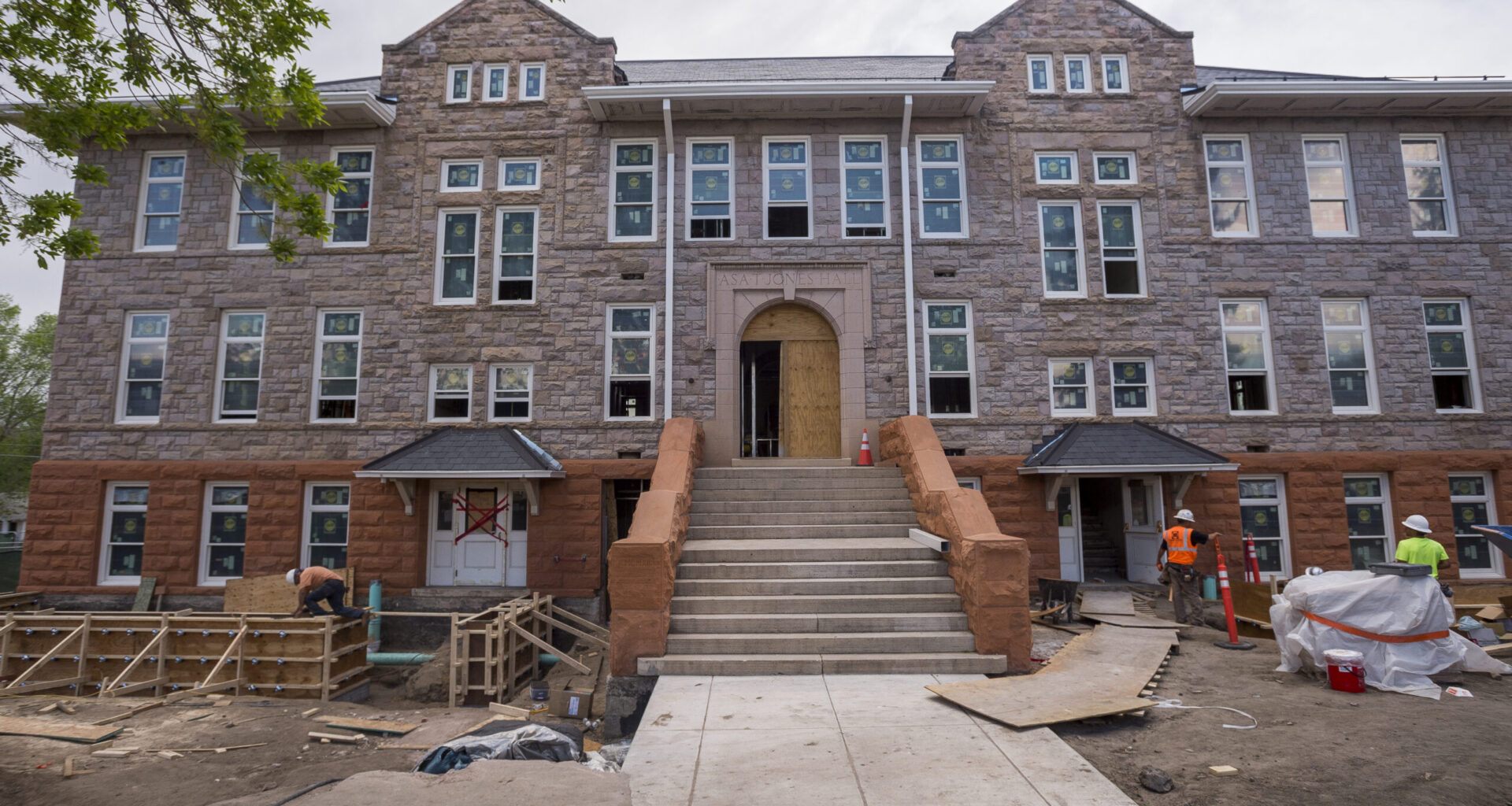
A doctor’s house. A historic school. A lodge for important meetings.
History was made at each of these locations in El Paso County and each of them has been recognized by a statewide initiative marking important places for underserved communities as part of Colorado’s 150th anniversary.
History Colorado is running the Heritage for All campaign as one of several ways the state organization is celebrating Colorado’s anniversary. The goal of the campaign is to add 150 new locations to the state Register of Historic Places by the end of 2026, primarily focused on sites in the history of Black, Indigenous, LGBTQ+ and other minority groups within Colorado.
“What we’re trying to do is be more active, particularly with communities and areas of the state that have largely been ignored,” History Colorado’s senior historian Damion Pechota said.
The three places in El Paso County that have been part of the campaign in recent years reflect the different way the campaign has worked, from adding new places to the register to providing new context and honors around already historic sites.
The most high-profile of the three landmarks is the Colorado School for the Deaf and the Blind, which has been working to educate deaf and blind students for roughly 150 years.
In January, the state recommended that the school be elevated to the National Register of Historic Places. The school is also being highlighted at the History Colorado Museum as part of the display about the Heritage for All campaign. Pechato said that graduates and supporters of the School for the Deaf and the Blind had provided an especially detailed historic record from which to build.
“Deaf people value stories. They value passing those stories down from generation to generation. So it could be that we need something to connect those stories to, that visual, to cement that story,” School Superintendent Tera Spangler told The Gazette in January.
 This house on Spruce Street on the west side of Colorado Springs was added to the State Register of Historic Places because it served as a “Green Book” stop for Black travelers. (Brennen Kauffman, The Gazette)
An unassuming house on Spruce Street was added to the state register through the campaign in 2025. In the late 1920s, the house was owned by Dr. Isaac Moore, the only practicing Black doctor in Colorado Springs.
After arriving in the Springs, Moore began hosting Black families as they traveled through the city. Moore’s initial hospitality predated the “Green Book” advising Black motorists on safe places to stay, but the house was listed in later editions of the guide throughout the 1930s as the house’s second owner continued to host visitors.
Pechota said the current owner of the house approached them while History Colorado was doing community outreach and helped document its history.
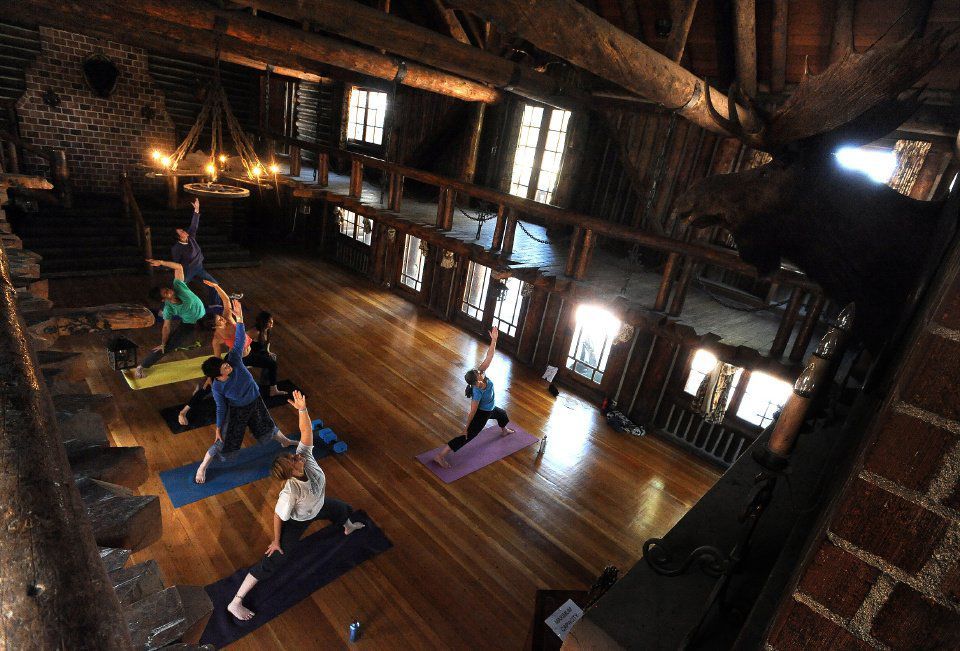 A yoga class is held inside the Ponderosa Lodge during the MeadowGrass Music Festival in this 2011 file photo. The Ponderosa Lodge is on the State Register of Historic Properties for both the historic nature of the building and a role it played in LGBTQ+ history. (Christian Murdock, The Gazette file)
Outside of Colorado Springs, the one recognized site is Ponderosa Lodge at the La Foret Conference and Retreat Center. The lodge was built in 1928 as a summer house for Alice Bemis Taylor, a noted philanthropist who supported the Colorado Springs Fine Arts Center, Colorado College and the maternity ward at what is now Penrose Hospital.
The lodge already had some historical recognition, but the Heritage for All campaign added a second historic aspect of the building. In September 1969, Ponderosa Lodge hosted the Continental Congress of Student Religious Liberties, a gathering of around 100 Unitarian students. At the event, Rev. James Stoll from Washington became the first ordained clergy member in America to publicly come out as gay.
Heritage for All staff have consulted with multiple groups in Colorado Springs to find additional sites to honor by the end of the year. Pechota said he couldn’t name specific places but that other locations highlighted as safe stops in the Green Book were being discussed, as were significant churches.
History Colorado was also looking to recognize important Indigenous sites in the area, though Pechota said those would take longer to consider as the state worked with multiple tribes.