
The Bay Area is losing another tech headquarters to Texas, and this time, it’s more than just symbolic.
GAF Energy, which sells solar panels embedded in roof shingles, will shut down its San Jose headquarters on Dec. 13, it announced in a Thursday WARN document, filed with California officials. The company uses the facility for researching, developing and manufacturing its solar shingles — a whole green energy factory at San Jose’s southeastern corner, operational since 2021. But now, GAF Energy will lay off local workers and shift its official headquarters to Georgetown, Texas.
Along with the plant’s shutdown, the WARN said, GAF Energy will conduct a mass layoff of remote workers who report to the San Jose facility. The document, generally a required filing in the event of a mass layoff by the Worker Adjustment and Retraining Notification Act, listed 138 impacted roles total across in-person and remote roles, including a slew of electricians, technicians, engineers, roofers and managers.
GAF Energy did not answer SFGATE’s question about whether any of the San Jose workers would receive jobs at the other location, but President Martin DeBono provided a statement that pointed to larger business trends.
“In light of ongoing changes in the solar industry, we are aligning our business and our team to focus on key markets where solar is most compelling for builders and homeowners,” DeBono wrote. He added that GAF Energy would be centralizing its operations, manufacturing, and research and development teams at its new headquarters in Georgetown, Texas. The company opened its manufacturing facility there in May 2024.
“This decision was not taken lightly,” DeBono continued. “We are grateful to our employees in San Jose for their contributions to the business and are committed to assisting those impacted through this transition.”
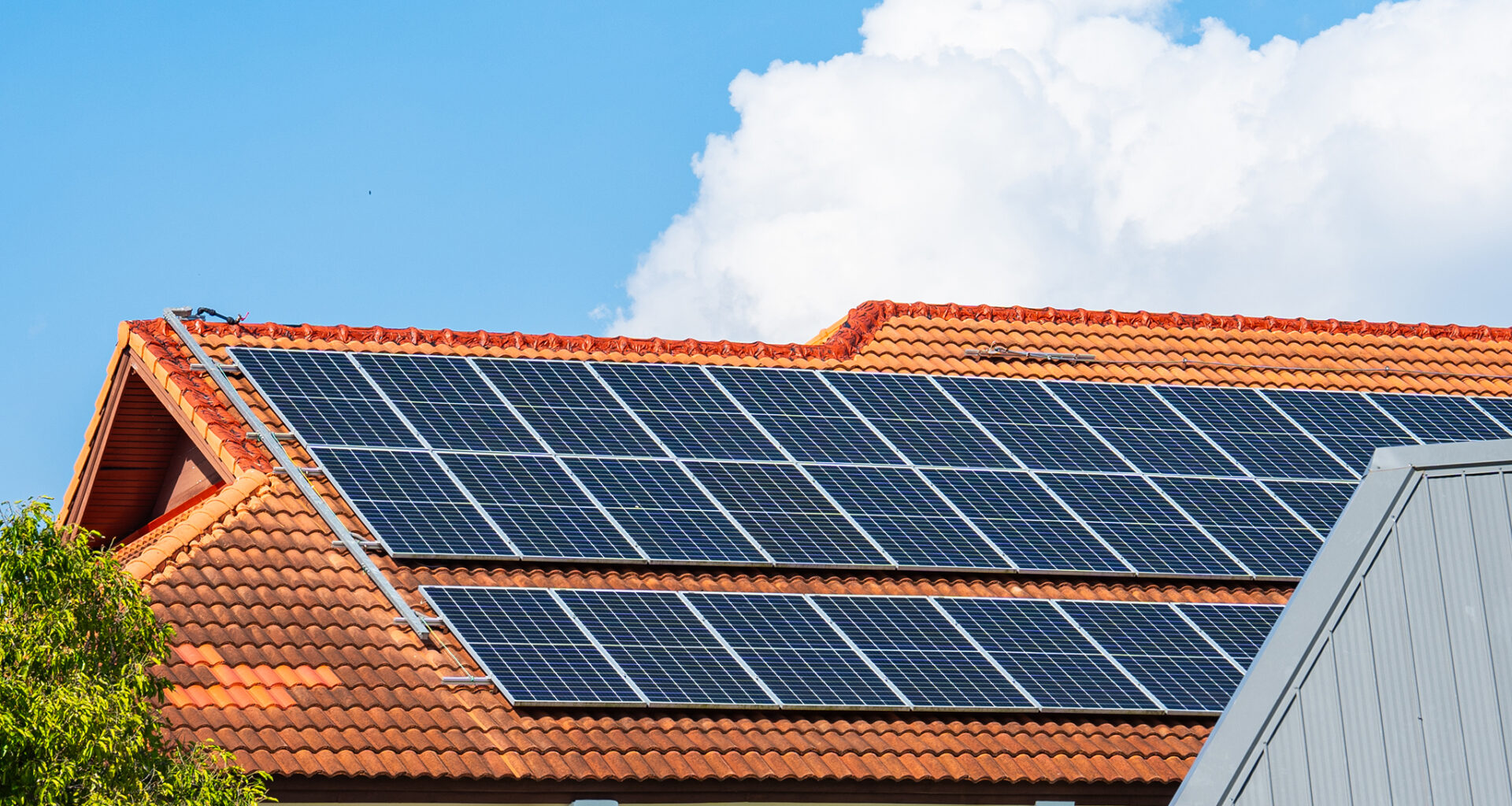
GAF Energy is owned by the manufacturing giant Standard Industries, which also oversees the roofing manufacturer GAF. The energy company advertises its solar shingles as a hassle-free alternative to the traditional solar panels that attach separately to a rooftop.
It’s unclear what specific “ongoing changes” DeBono was referencing, but the solar industry is in a state of flux, in California and beyond. In July, President Donald Trump signed legislation slashing a 30% residential solar tax credit that made rooftop installations cheaper — he moved the end of the credits from 2034 to the end of this year. And over the past several years, California has rolled back some incentives for installing solar panels.
Compared with California, Texas is building housing at a rapid rate, potentially making the state a more appealing market for a solar provider like GAF Energy that aims to grab customers as they’re adding or replacing a roof. A Realtor.com report from February — published alongside that company’s move to Texas — said the Lone Star State accounted for 15% of the country’s new house permits in 2024.
Work at a Bay Area tech company and want to talk? Contact tech reporter Stephen Council securely at stephen.council@sfgate.com or on Signal at 628-204-5452.