
With continuously rising temperatures in El Paso, there have been Heat-Related illness (HRI) risks that can affect people long-term. Since June 27, there have been 152 cases of HRIs reported using cooling facilities, according to the City of El Paso Public Health.
Locals are no strangers to the borderlands heat El Paso’s temperature continues to remain above 90 F (32 C) reaching as high as 107 F (41 C), leading to many health and safety risks for everyone in El Paso. With symptoms like elevated heart rates, excessive sweating and dizziness, the El Paso Fire Department urges individuals in extreme heat to be aware of their surroundings. Though the Fire Department has seen a decrease in emergency calls from 216 last year to 178 this year, more calls are anticipated with August on the way.
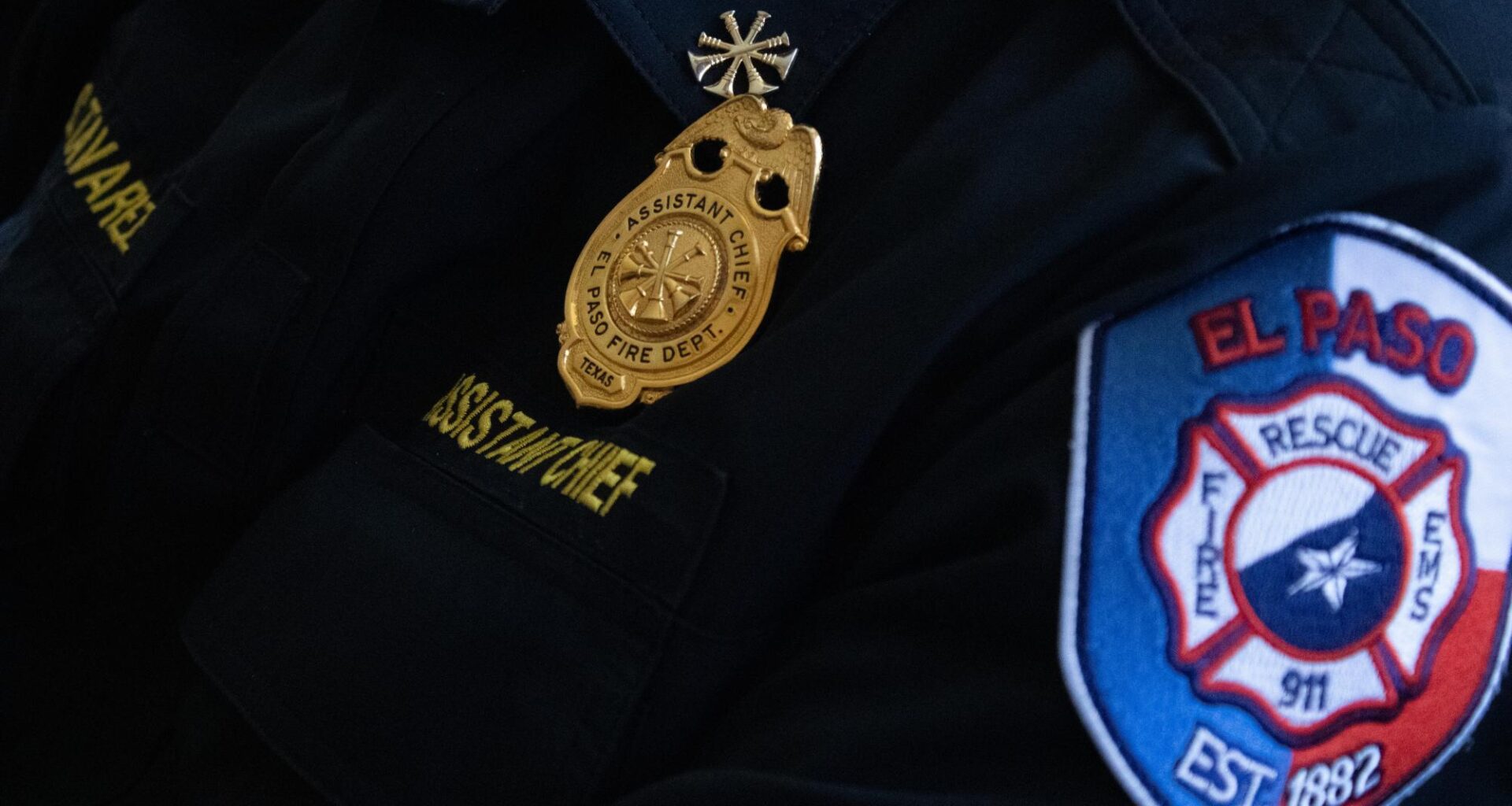
“We actually changed our protocols to be able to address heat-related emergencies,” Gustavo Tavarez, the Assistant Chief of the El Paso Fire Department, said. “We looked at changing our protocol and how we treat individuals in a heat stroke and just to provide additional care and make those individuals have a better chance of surviving.”
Though everybody is affected by this heat, more vulnerable groups include the elderly, children, and even pets, which need extra attention. These individuals’ bodies react to heat differently than adults.
“I think it is important to put some emphasis on the elderly and the children because their regulatory bodies are a lot different,” Jose Ortiz, the Community Health Deputy Chief of the El Paso Fire Department, said. “Those people are very vulnerable, and people don’t realize that their body temperatures are increasing.”
Dre Stout, a senior majoring in industrial and systems engineering, had been in the military for eight years. Stout has been deployed and vacationed across the United States, experiencing very different weather and environments, but noted El Paso as the driest.
“The El Paso area, plus how dry it makes it seem, you don’t need water, and that’s the difference: this is the driest place I have ever been to; every place I have been has been either cold or humid,” Stout said.
For people not used to El Paso weather, it may affect them negatively; even the elevation has affected individuals. Stout has experienced headaches and nosebleeds since coming to the Borderland.
“It happens every six months or so that I get a nosebleed,” Stout said. “This is the only place I do get a nosebleed because of the elevation and how dry it is.”
Some of the major health risks are heat exhaustion and strokes, though many don’t know the long-term effects that can most likely lead to critical kidney and brain damage.
“One of the things you need to think about is rhabdomyolysis, where they’re completely dehydrated and blood, and everything starts to sludge and affects the kidneys,” Ortiz said. “And you also have to look at the brain. There are a lot of different types of things that can happen; it depends on how the person is affected. It can be seizures or a stroke.”
A big challenge the fire department faces is bringing awareness to what safety is. One of the bigger questions proposed is how to get everybody on the same page?
“Because we live in El Paso, we live in a desert, and we begin to say we are used to the heat,” Tavarez said. “The reality is that you have to look at your environment and be able to adjust to it. A big part of it is that you have to accept that it is hot and we need to make sure we stay hydrated.”
In these times of extreme heat, El Paso has many cooling resources, including cooling centers that open during the week from 9 a.m.–8 p.m. and on the weekends from 9 a.m.- 2 p.m. The El Paso Fire Department and El Paso Health have many resources to keep individuals cool and safe in Sun City weather.
Mia Colmenero is the Audience and Engagement editor and may be reached at [email protected] and on Instagram @MiaJColmenero