
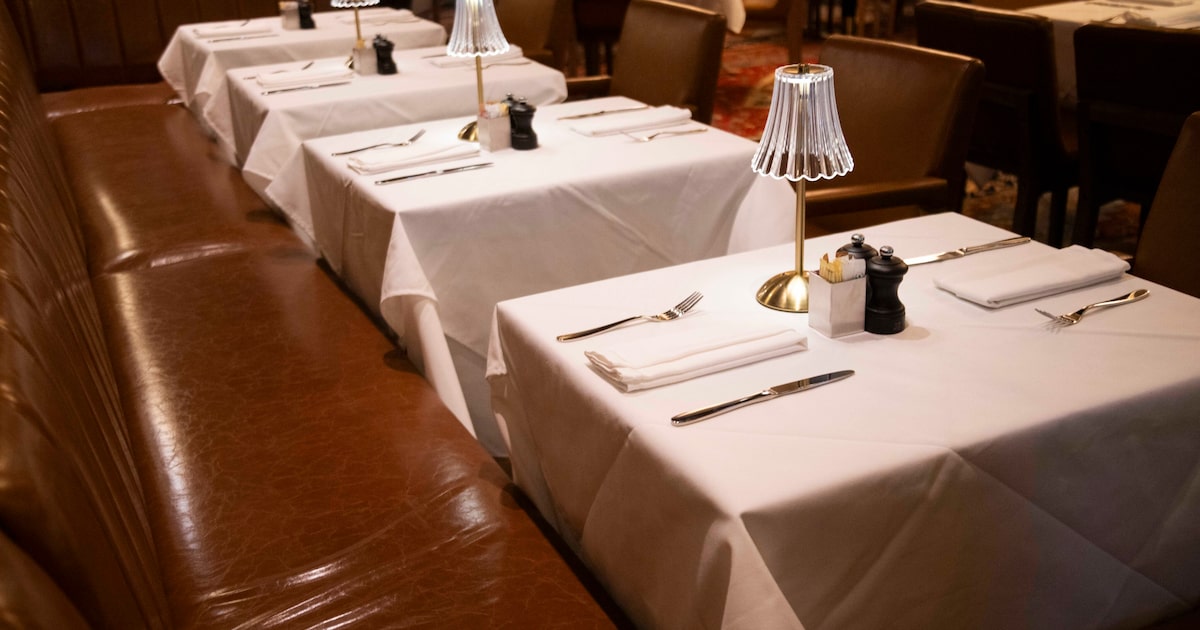
It’s time to sound the alarm on the health of Texas’ restaurant industry, according to a group that monitors the state’s restaurants and and lobbies on their behalf.
A confluence of economic pressures have created an untenable situation for restaurants, the Texas Restaurant Association said in a recent report. Months of rising food costs and declining sales are pushing many food businesses to the brink of closure.
“Restaurants have been bracing for a slowdown for months as inflation squeezes consumers who still want to dine out,” according to the report. “This quarter, that slowdown is showing up in the data. Costs continue to climb while traffic falls, especially among lower- and middle-income diners.”
This slowdown is playing out at restaurants across Texas, regardless of geography or type of service, said Texas Restaurant Association president and CEO Emily Williams Knight.
Eat Drink D-FW
Related

In an interview with The Dallas Morning News, Knight said the strain on restaurant owners is disconcerting.
“I am deeply concerned having lead this organization for the last almost seven years,” she said. “It’s a perfect storm honestly. You have a fatigued consumer and a fatigued restaurant owner.”
A key contributing factor, Knight said, is tariffs. Almost everything in the Texas restaurant economy costs 25% more than it did during the pandemic as tariffs have driven up prices. In comparison to the rest of the country, Texas restaurants have been slow to raise their menu prices in response out of fear of losing customers who are also experiencing higher costs, Knight said.
Immigration enforcement is significantly impacting Texas restaurants as well, Knight said. It is driving down sales, particularly in communities where 40% or more of the population is Hispanic, according to data obtained by the TRA.
Due to immigration enforcement, 19% of Texas restaurant operators surveyed by the TRA said they lost employees this year and 23% reported fewer job applicants or acceptances.
North Texas has its own additional challenges compared to the rest of the state.
“I think a little bit of a challenge in North Texas could be some of the over building post-pandemic,” she said. “We added a tremendous number of restaurants post-pandemic and people are pulling back on dining out.”
North Texas restaurants have also seen a drop in alcohol sales more noticeable than elsewhere in the state, according to Knight. The reasons for that, she said, are the rising costs of alcohol, the widespread use of GLP-1 weight loss drugs and the negative view of alcohol consumption among younger generations.
Restaurants have experienced declining sales for the past eight months, but September was especially brutal, Knight said. Consumers considerably cut back on spending in September, which is typically when restaurant sales bounce back after slow summer traffic.
The Federal Reserve Bank of Dallas said as of October, the revenue index, which measures the state’s service sector conditions, was at its lowest reading since July 2020.
Last month, Dallas restaurateur Madison King closed her neighborhood restaurant Be Home Soon after months of declining sales were punctuated by an abysmal September.
“Every single person doing what we do has said this is the worst year they’ve ever had,” King said. “People can’t afford to go out to eat.”
At least 49 restaurants have closed in North Texas so far this fall.
The fear is that the trend of declining restaurant spending will continue into the holidays, Knight said. Restaurants rely on robust sales during the holiday season to float them through the slow months that follow it. If the next two months look the way September did, the first quarter of 2026 will be brutal for the industry.
“We have a very difficult January and February in our industry,” Knight said. “I think that’s when you’ll see the bottom drop out. What’s at stake is a very high percentage of rest closures, more than we’ve seen in the past three years.”
High-income diners are still spending, she added, which is why fine dining restaurants and expensive tasting menus are faring better than more casual concepts. What casual restaurants must do to weather the foreseeable future, she said, is focus on operational efficiency and value.
Related
Knight gave Chili’s as an example of a restaurant chain that found success by doubling down on the value it offers. McDonald’s is also putting increased focus on value.
If restaurants cut costs where they can while simultaneously finding ways to give diners more bang for their buck, they’ll fare better than those that keep the status quo.
“It is a different reality today,” Knight said. “Consumers in North Texas want to go to restaurants and restaurants want these customers, but it’s a mismatch right now in experience and price.”