

At UT, entrepreneurship no longer feels like a distant Silicon Valley fantasy. It thrives within student funds, pitch competitions and LinkedIn posts announcing services, all before many students have finished their core classes.
That energy is exciting, but not every idea requires an entire company to bring it to fruition.
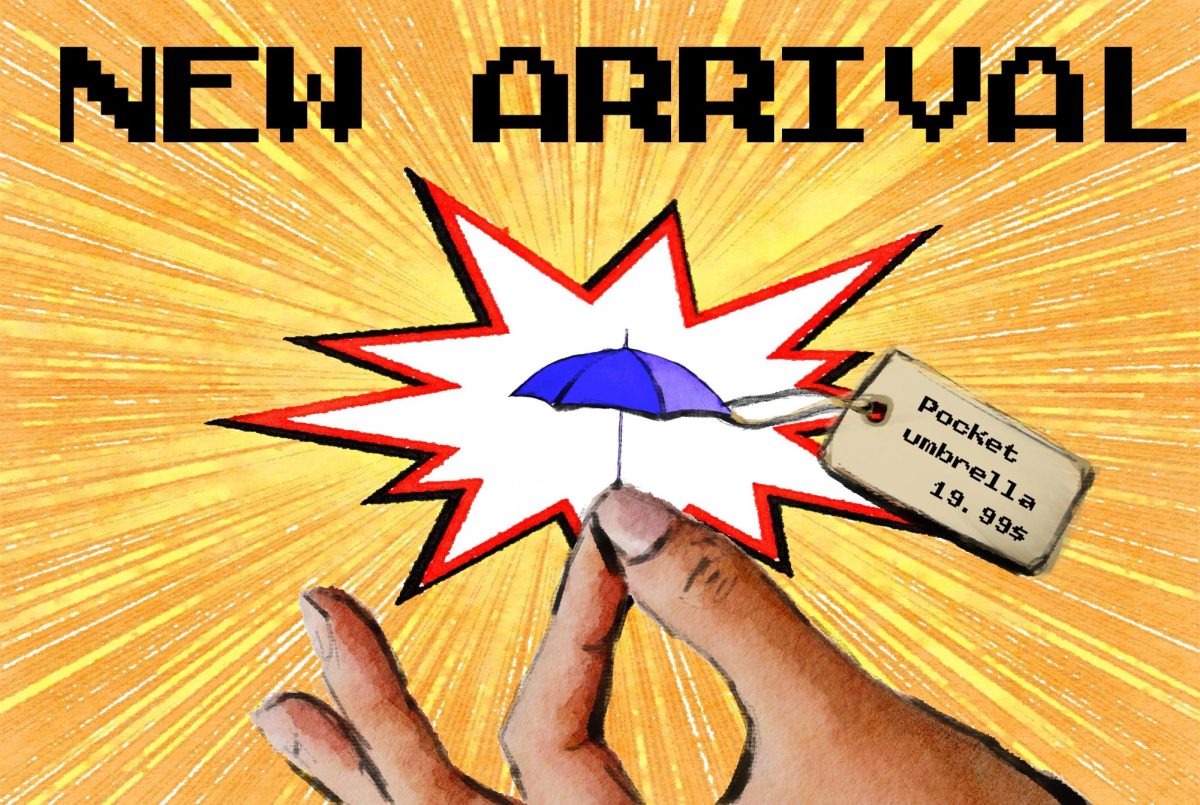
“Startup” is not just a trendy synonym for an initiative. It’s a resource-intensive machine requiring capital, scale and a problem significant enough to justify the effort behind it. Student changemakers often mistake entrepreneurship for the peak of ambition, but the real test is choosing the correct vehicle for your goal, be it a class project or an open-source tool.
Christy Grady, program manager at the Brumley Institute for Graduate Entrepreneurship, said many students approach UT’s entrepreneurship resources with an idea and a question about what comes next. She said students need to do their homework on existing products, potential customers and real pain points.
“Many students come in with this brilliant idea that they believe is brilliant, and then further down the line, they realize it’s not,” Grady said.
Before turning to a startup as evidence of their aspirations, students should test their idea’s legs.
Shrey Parekh, a computer science and business honors sophomore, is the CTO and co-founder of Equitle, an AI platform built to make private equity deals more efficient. To Parekh, once the team had beta clients and later received capital funding, Equitle began to feel less like a project and more like a business venture.
“It didn’t feel like something that I was gonna dedicate my life to until we got the opportunity,” Parekh said.
Student startup culture should reward commitment after validation instead of focusing on visibility before clarity. That distinction really does matter. Some ideas belong in companies because they require a market, infrastructure and full dedication. Others may work better as research projects or nonprofit work.
The problem has never been that students dream too big. However, before an idea has users, a market or even a clear reason to exist, students can get distracted by the founder title.
“A lot of people kind of focus on, ‘Let me go viral … let me start telling the world I have a startup,’ before they’ve sat down, talked to customers (or) figured out their market,” Parekh said.
UT’s startup ecosystem must recognize the importance of restraining the impulse to build.
Only around 1% of companies actually secure venture capital funding, and this scarcity ensures the discovery process focuses on understanding what an idea can realistically become. In an AI-driven era where tools can make building prototypes effortless, the more critical task is discerning whether a venture should exist at all, what form it should take and if its core idea has enough potential users.
Who has this problem? Have I spoken to them? Does this solution need to scale? Would another form serve people better? These are all questions that students entering UT’s startup culture should ask themselves before chasing the founder label.
If the answer still points to a company, build it with conviction. If not, the idea hasn’t failed. It may just belong in another form.
Khan is an advertising junior from Allen, Texas.